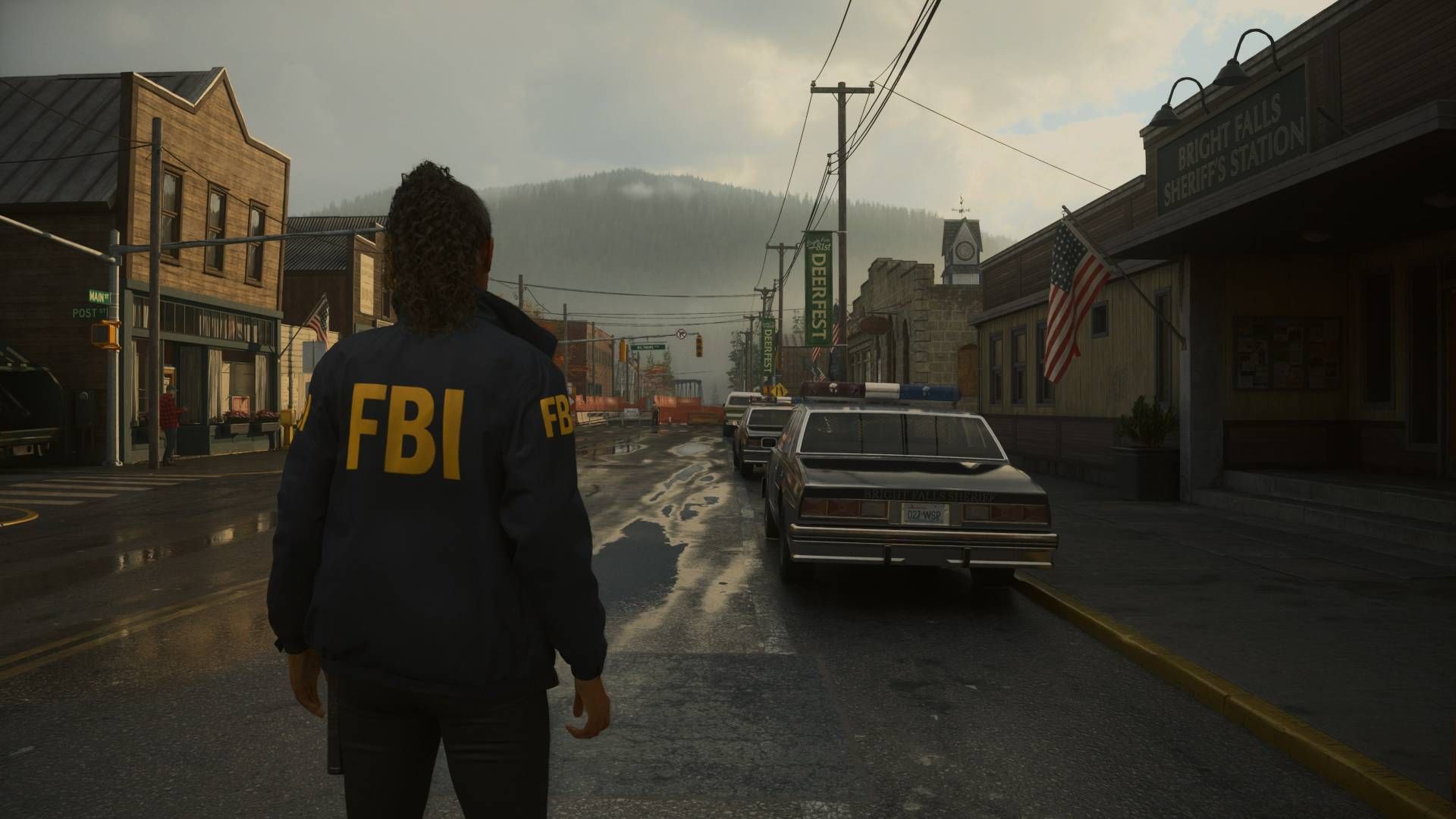
Full path tracing might not be such a GPU hog in future, as Nvidia claims over 2x performance improvements in new research
Nvidia researchers have announced significant performance improvements for path tracing, claiming over 2x speedup gains through an enhanced version of the ReSTIR (Reservoir Spatio-Temporal Importance Resampling) technique. ReSTIR is a method designed to make path traced lighting more efficient, addressing one of the major computational challenges in modern GPU rendering.
Path tracing has become increasingly important in graphics technology since Nvidia’s introduction of ray tracing with the RTX 20-series GPUs three generations ago. However, achieving realistic global illumination remains computationally demanding, requiring various optimizations and workarounds to maintain playable performance in real-time applications.
The new research builds upon ReSTIR by enhancing its algorithm to reduce GPU overhead. With path tracing continuing to be a resource-intensive technology despite years of refinement, this performance improvement could make advanced ray traced effects more feasible for broader applications, potentially enabling higher quality global illumination with lower performance costs. If validated and adopted industry-wide, the enhancement could accelerate the adoption of full path tracing in games and other GPU-intensive applications.