“Why can ThinkPads do this but Surface can’t?” — A perfect repair score exposes Microsoft’s hardware gap
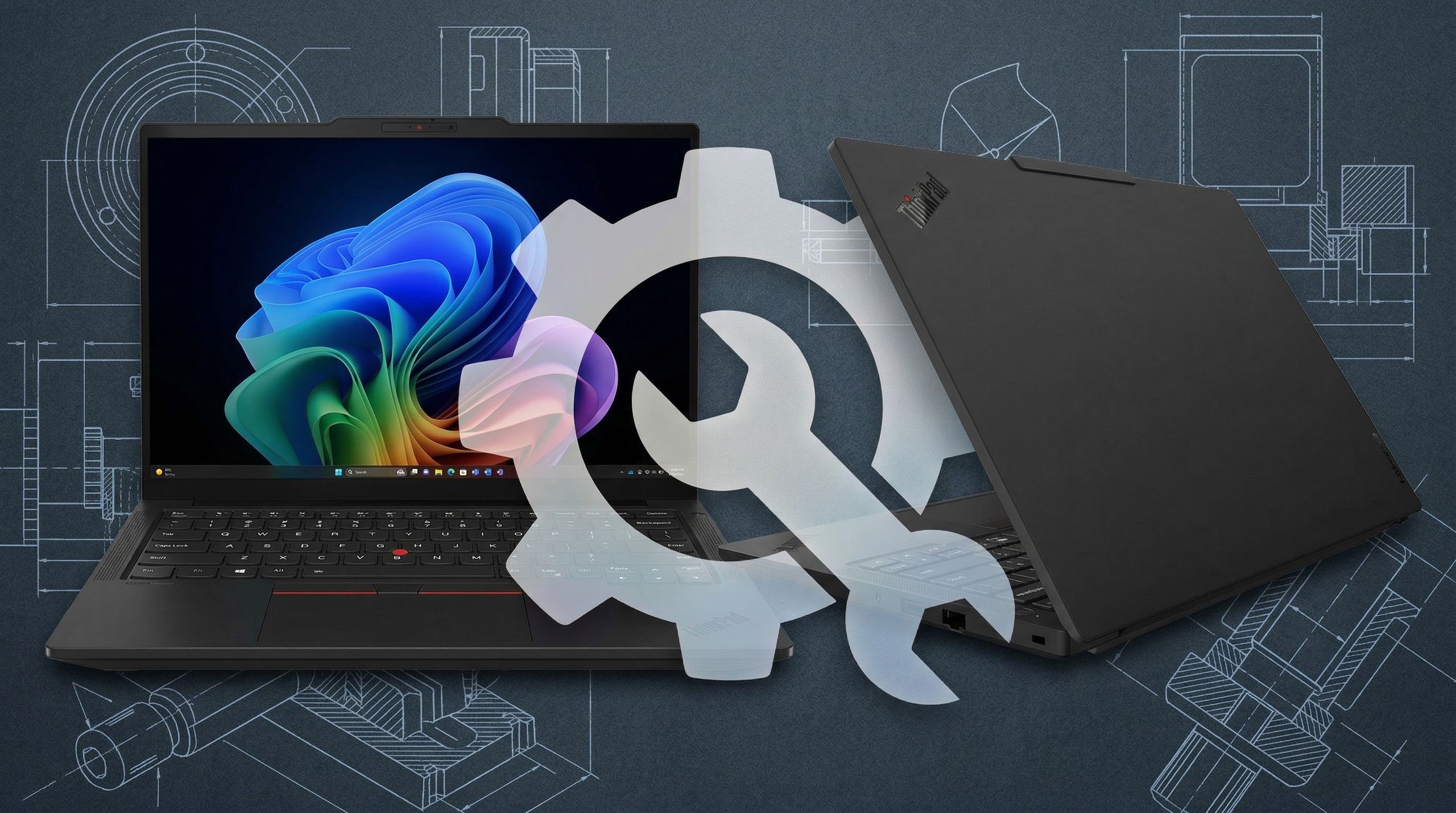
Lenovo’s ThinkPad T14 Gen 7, unveiled at Mobile World Congress, has achieved a perfect repairability score, exposing a significant gap in hardware design philosophy between major laptop manufacturers. The commercial successor to the ThinkPad T490 features the latest Intel and AMD processors, but its standout attribute is exceptional design for user-accessible repair and maintenance.
The perfect repair rating—likely referencing iFixit’s repairability benchmark—demonstrates Lenovo’s commitment to creating devices users can service independently. This contrasts sharply with Microsoft’s Surface line, which has historically presented barriers to independent repair and upgrades, limiting consumer control over device maintenance.
The comparison reflects a broader industry shift toward right-to-repair principles, where repairability and maintainability are increasingly recognized as essential hardware considerations. While performance and design aesthetics traditionally dominate laptop marketing, the T14 Gen 7’s success suggests businesses and consumers now prioritize long-term serviceability alongside specifications.
As the device rolls out to market, it may pressure competitors like Microsoft to reconsider their hardware design approach and accessibility policies. The story underscores growing momentum among consumers and advocates demanding devices built for repair, ultimately extending product lifespan and reducing electronic waste.