“The vault is solid, the delivery truck is not” — strong key storage, shaky transfer: why this Windows Recall feature raises new security questions
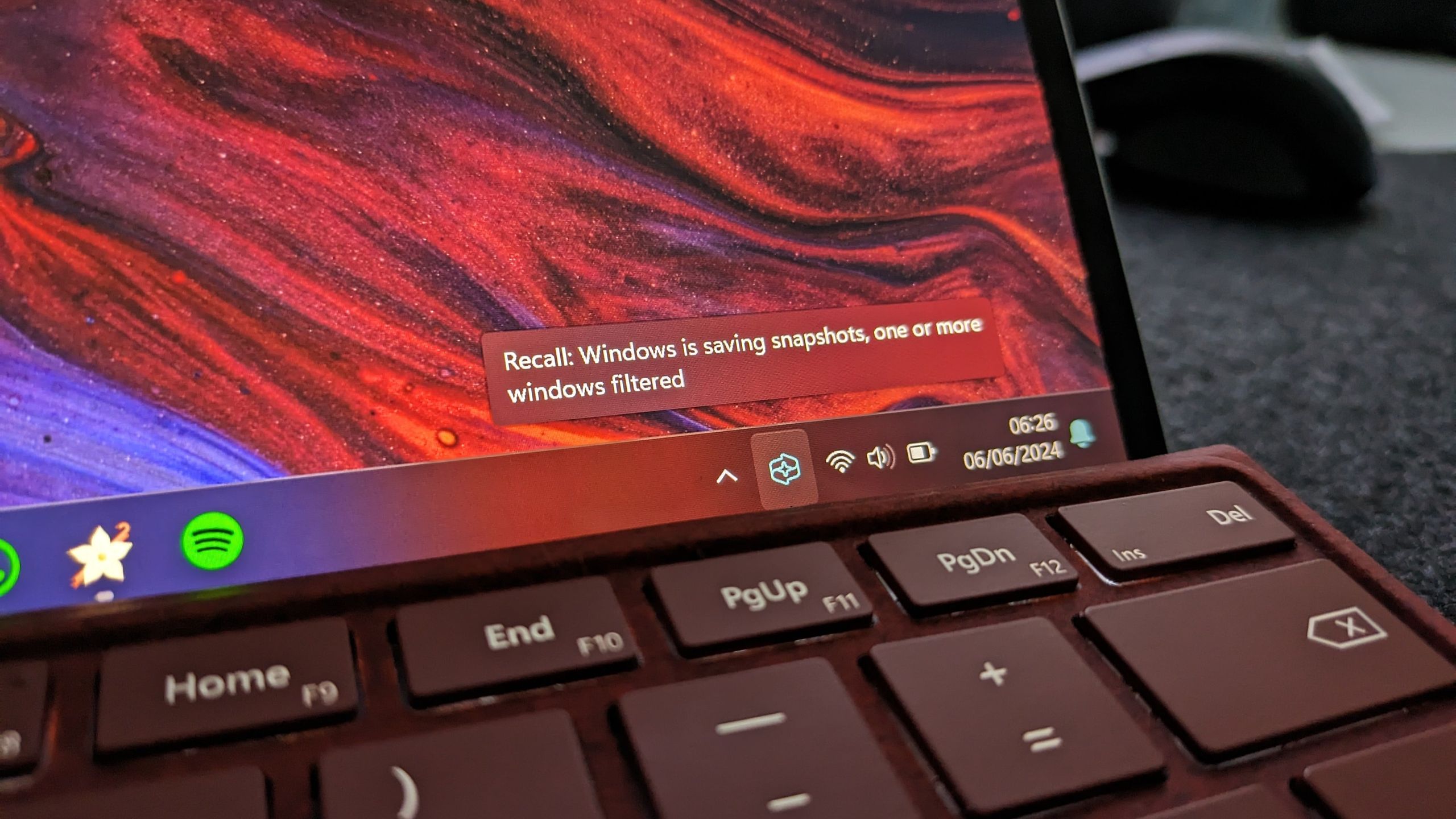
Windows Recall, Microsoft’s AI-powered screenshot analysis tool introduced in 2024, faces renewed security scrutiny following the discovery of a critical vulnerability. The flaw, dubbed TotalRecall, allows attackers to extract sensitive data from Windows Recall’s captured screenshots without requiring Windows Hello authentication—the system’s biometric or PIN-based security measure.
Windows Recall automatically captures snapshots of a user’s screen every few seconds and analyzes the content using on-device AI to categorize and organize information for easy retrieval. However, the vulnerability exposes a significant weakness in how captured data is protected during transfer operations. Security researchers characterize the issue with the apt phrase “the vault is solid, the delivery truck is not,” highlighting that while the underlying storage mechanisms are secure, the data transfer process presents a critical attack vector.
Despite robust encryption protecting data at rest, the mechanism used to retrieve and process sensitive information can be compromised without proper authentication. This discovery compounds existing privacy concerns about Windows Recall’s fundamental approach of continuously capturing and analyzing screen content—which could include passwords, personal messages, banking information, and other confidential data.
Microsoft will need to address this vulnerability before broader rollout of the feature, particularly as security professionals continue to raise concerns about the privacy and security implications of the comprehensive screen-capture approach underlying Windows Recall.