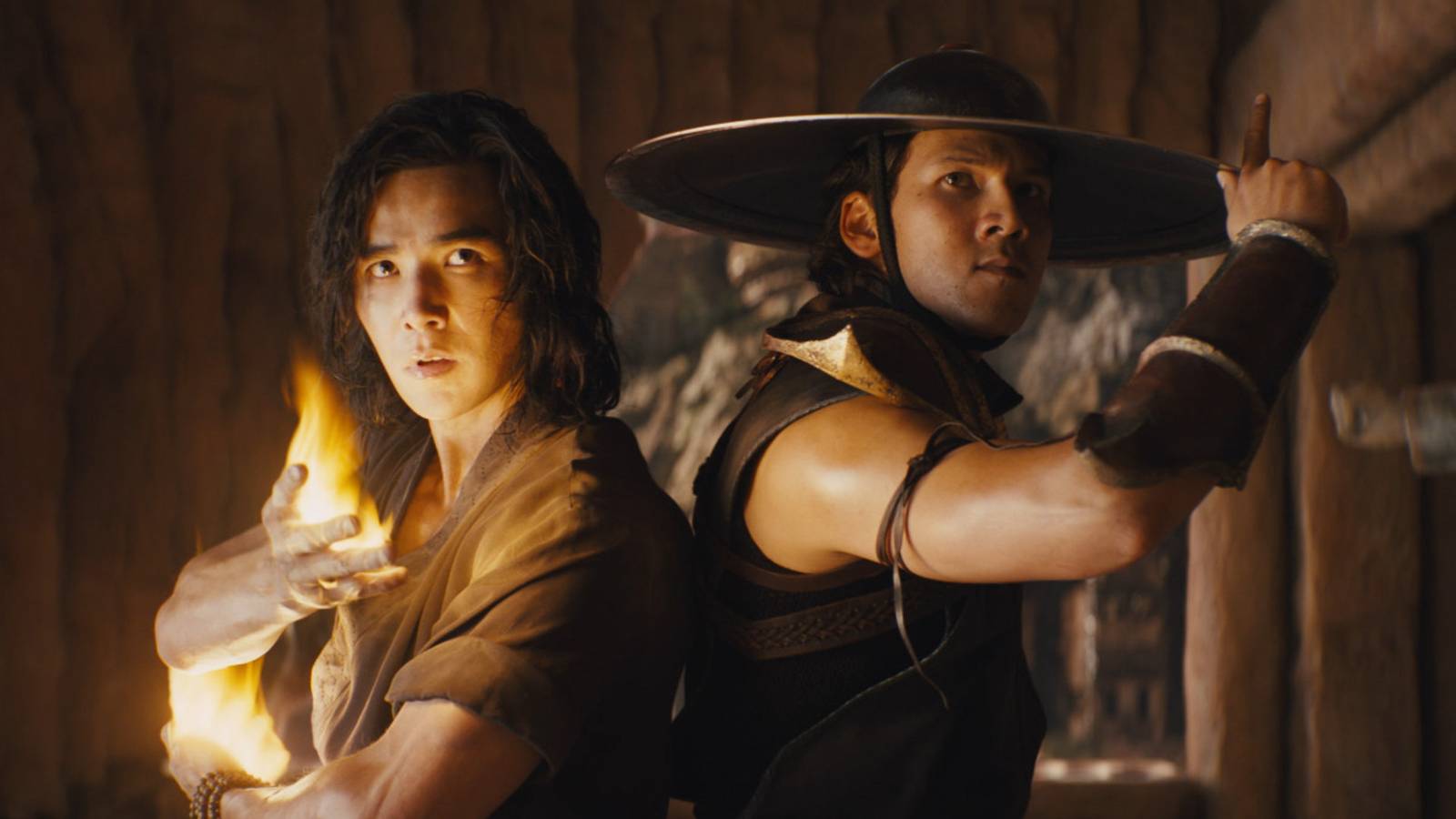
2021’s Mortal Kombat might not be a flawless victory, but it packs a mean punch
The video game adaptation landscape has transformed dramatically, with recent successes like Arcane, Fallout, and Castlevania proving that quality translations between media are now possible. The 1995 Mortal Kombat film, directed by Paul W.S. Anderson, established a crucial precedent by demonstrating that video game adaptations could achieve both commercial success and audience appreciation without requiring perfect narrative fidelity.
Anderson’s film proved the winning formula: compensate for narrative thinness with stylish action sequences, memorable dialogue, and entertainment spectacle. The blockbuster’s success helped reshape industry perception, showing that video game adaptations could be both artistically credible and financially profitable. This foundation enabled subsequent adaptations to approach their source material with greater creative confidence, balancing reverence for the games with necessary narrative reinvention for film and television audiences.
By breaking the “video game adaptation curse,” the 1995 Mortal Kombat established that game franchises could be successfully adapted when creators respect their spirit while embracing each medium’s unique storytelling capabilities. The film’s influence extends to modern adaptations that continue to prove popcorn entertainment and artistic merit are not mutually exclusive.