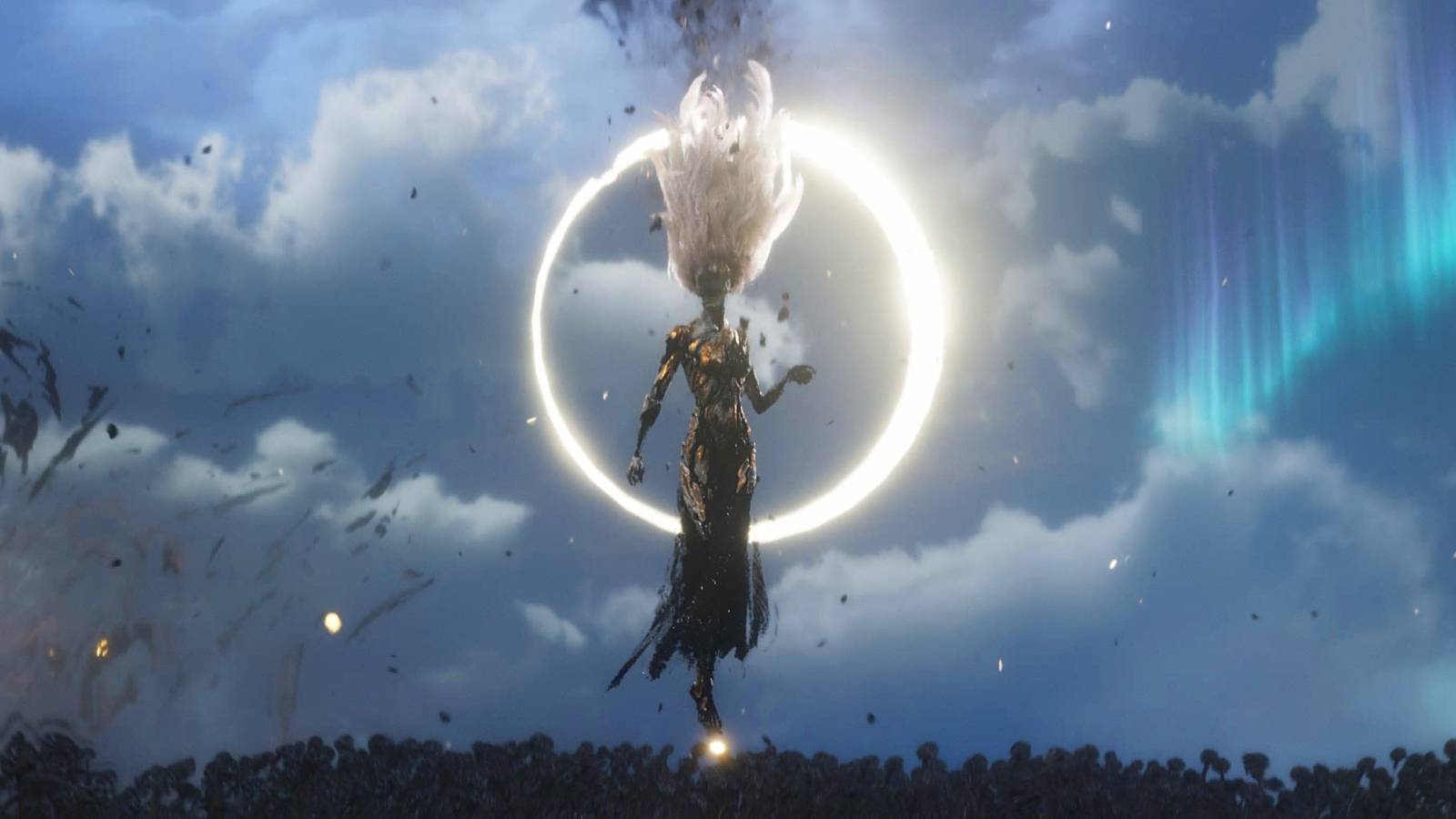
Clair Obscur: Expedition 33’s endings are the best part of the RPG
Clair Obscur: Expedition 33 has generated considerable discussion following its release, with particular focus on its controversial ending and narrative approach. Developer Sandfall Interactive employed a significant bait-and-switch in the final act, subverting player expectations with major story reveals at the end of the second act.
The game’s ending proved divisive because it offers no “good” outcome—all possible endings leave some character miserable, making it impossible to save everyone. This design choice was polarizing, as many players seeking traditional resolution found themselves unsatisfied by the outcomes presented.
However, critics and players who appreciated the game’s narrative design argue this approach was not only intentional but necessary. Given the story Sandfall Interactive constructed throughout the game, the tragic endings were the only logically consistent conclusions available. The game delivers an unflinching examination of family relationship tragedy, a theme rarely explored with such depth in video games. Rather than offering the cathartic resolution players might expect from an RPG, Expedition 33 commits to its thematic exploration of family conflict and loss.
This unflinching approach to storytelling appears to have resonated strongly with players despite—or perhaps because of—its refusal to provide a traditional “happy” ending. The game’s willingness to prioritize narrative consistency over player agency created a memorable and impactful experience that sparked meaningful discussion about storytelling possibilities in the RPG genre.