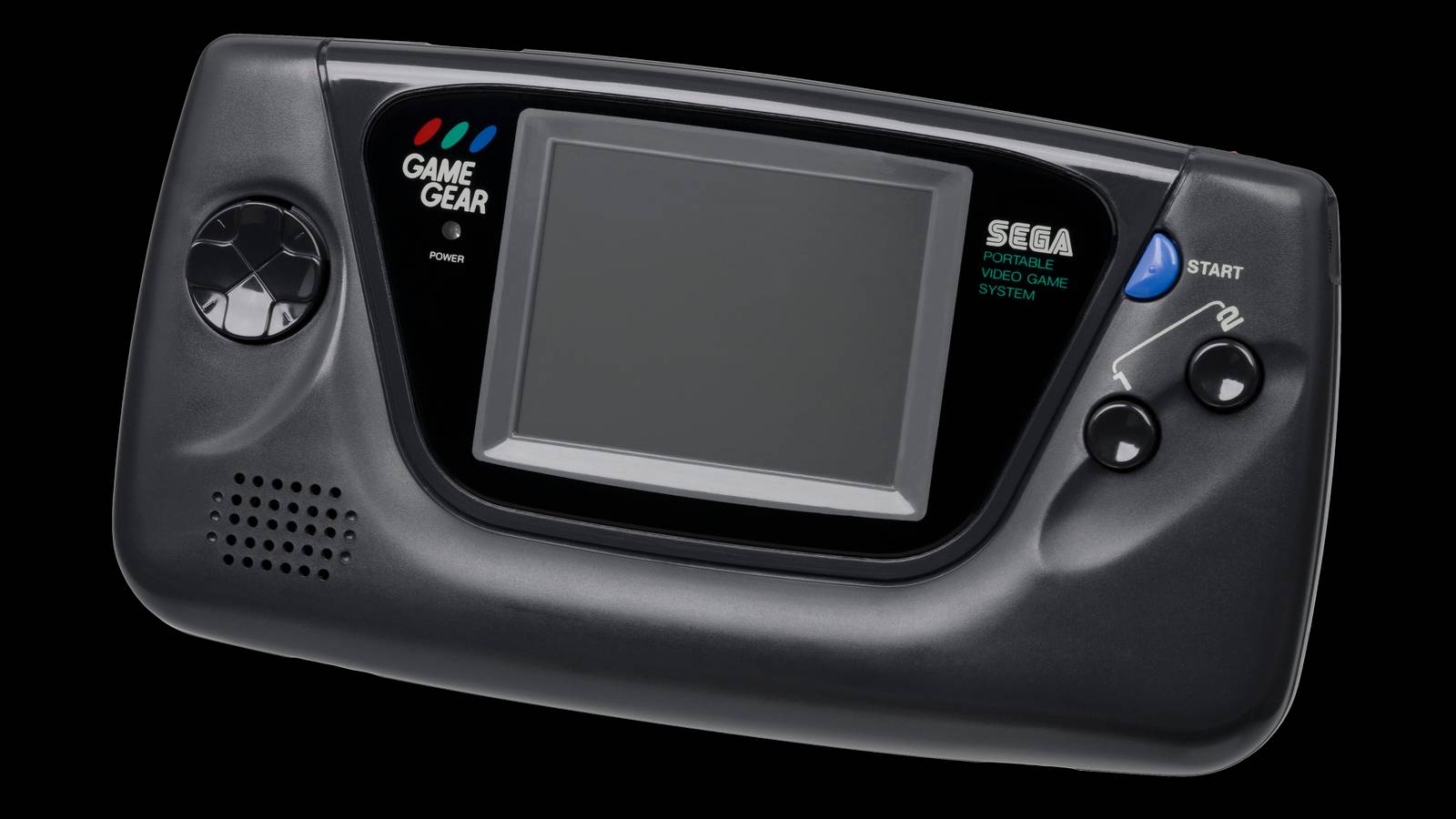
Sega Game Gear at 35: Switch and Steam Deck might not exist without this flop
Sega’s Game Gear is celebrating its 35th anniversary this month, marking three decades since the handheld console debuted in Europe and North America as an ambitious challenge to Nintendo’s dominant Game Boy. Leveraging technology from the Master System, the Game Gear aimed to offer a more sophisticated gaming experience with superior hardware capabilities.
Despite its advanced specifications, the Game Gear ultimately failed to achieve commercial success against the Game Boy’s overwhelming market dominance. However, the console’s legacy extends far beyond its disappointing sales figures. The title suggests that without the Game Gear’s influence on handheld gaming ambitions, modern platforms like the Nintendo Switch and Steam Deck might not exist in their current form.
The Game Gear exemplifies Sega’s experimental approach to hardware during the 1990s—the company released 15 different pieces of hardware between 1983 and 2001, constantly pushing technological boundaries. The Game Gear’s full-color display and advanced components were ahead of their time, representing Sega’s commitment to innovation even when commercial viability was questionable.
This historical perspective underscores how commercial failure doesn’t negate a product’s cultural and industrial significance. The Game Gear’s technological ambitions and design philosophy influenced how the gaming industry approached handheld gaming for decades to come, ultimately shaping the trajectory toward today’s hybrid and portable gaming devices.