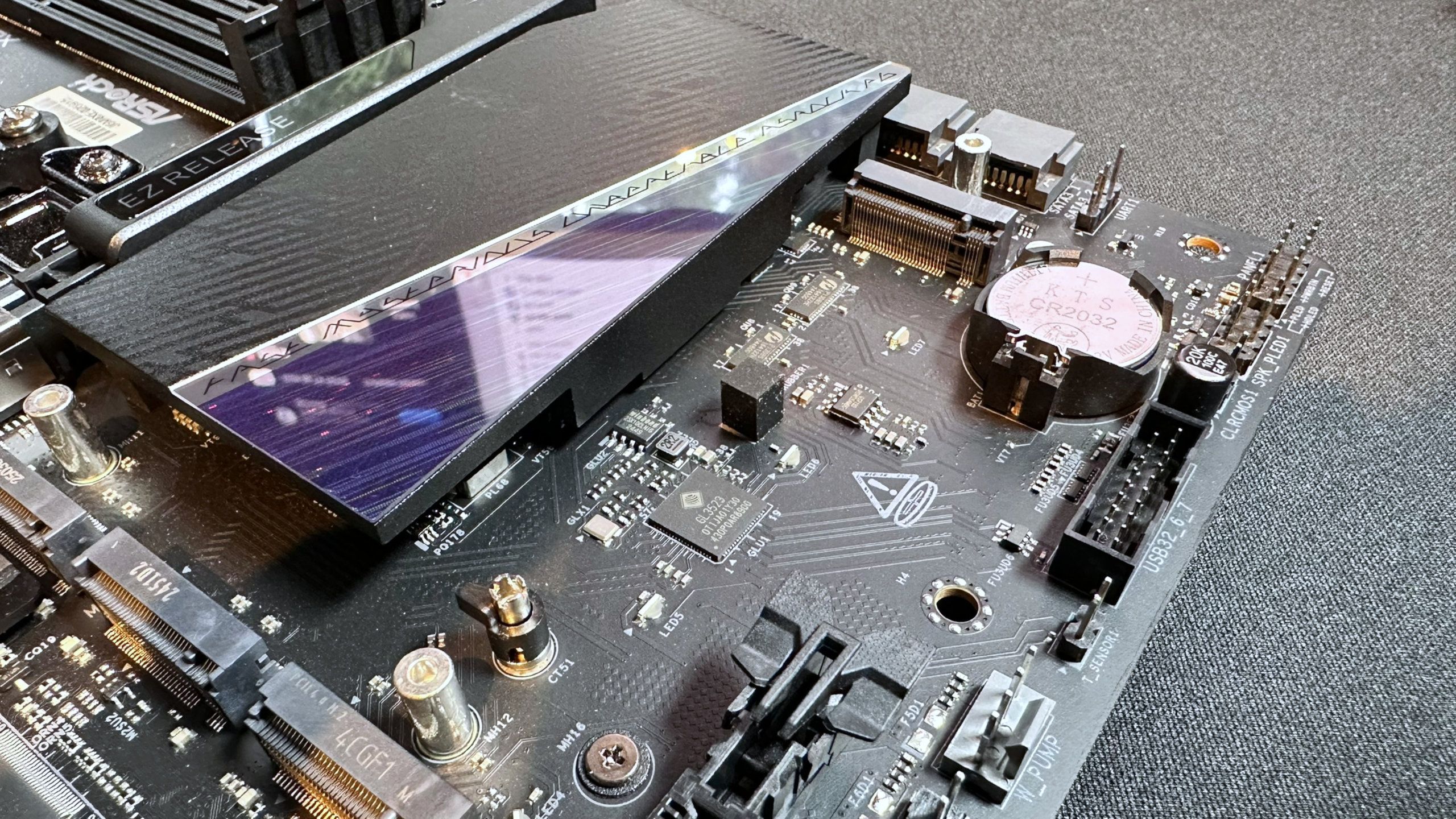
PCB prices have risen by up to 40% due to war in Iran, according to Reuters’ industry sources
Printed circuit board (PCB) prices have surged by up to 40% in April compared to March 2026, according to industry sources cited by Reuters and analysis from Goldman Sachs. The price spike is attributed to geopolitical disruptions affecting critical materials in the PCB supply chain.
The catalyst was Iran’s early April strike on Saudi Arabia’s Jubail petrochemical complex, which forced a halt to production of high-purity polyphenylene ether (PPE) resin—a essential base material used to manufacture PCB laminates. PCBs are fundamental components in virtually all computer systems and electronics, from gaming PCs and peripherals to processors and input/output devices.
Since SABIC, a major producer of PPE resin, accounts for a significant portion of global supply, the disruption to their Jubail facility has created a bottleneck rippling through the entire electronics manufacturing sector. The combination of reduced PPE availability and increased demand for components has created upward pressure on PCB pricing across the industry. This supply chain disruption demonstrates how regional conflicts can have far-reaching consequences for global technology and gaming hardware markets, potentially impacting production timelines and costs for manufacturers reliant on these materials.