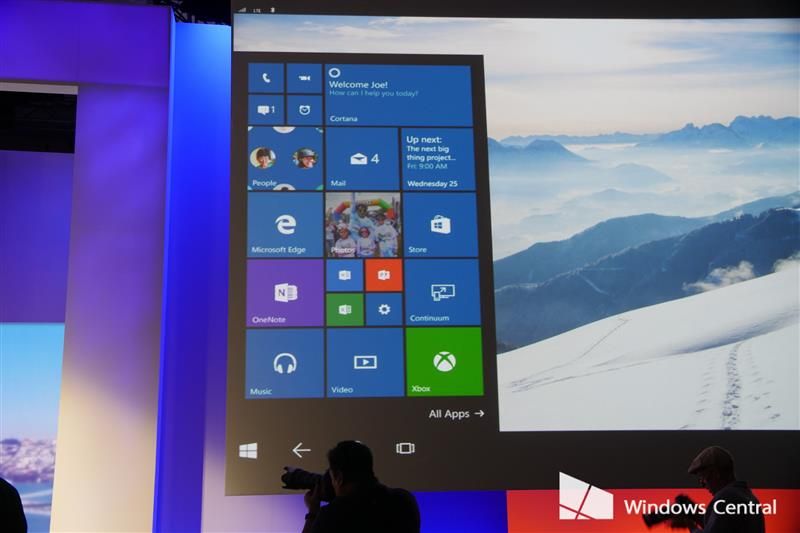
ON THIS DAY: Continuum will be built into Windows 10 for Phones, turning your phone into a PC
Microsoft announced Continuum for Windows 10 Mobile at Microsoft Build 2015, a feature that represented an ambitious vision to blur the lines between smartphones and desktop personal computers. The technology allowed users to connect their mobile device to a monitor, keyboard, and mouse, enabling the phone to power a full desktop-like computing environment. This capability aimed to transform the smartphone into a complete PC replacement, reducing the need for multiple devices.
The announcement reflected Microsoft’s strategic attempt to create a unified computing experience across different device form factors. By leveraging Windows 10 Mobile’s operating system, users could theoretically accomplish desktop-level work directly from their pocket device. Continuum exemplified the ambitious hardware and software innovations Microsoft pursued during this era of mobile computing competition.
Windows Central’s retrospective highlights this as one of the key stories that shaped the technology community over the past decade. Though the technology ultimately didn’t achieve widespread adoption, it remains a notable chapter in the evolution of mobile and personal computing, demonstrating how companies attempted to bridge the gap between portable and stationary computing solutions.