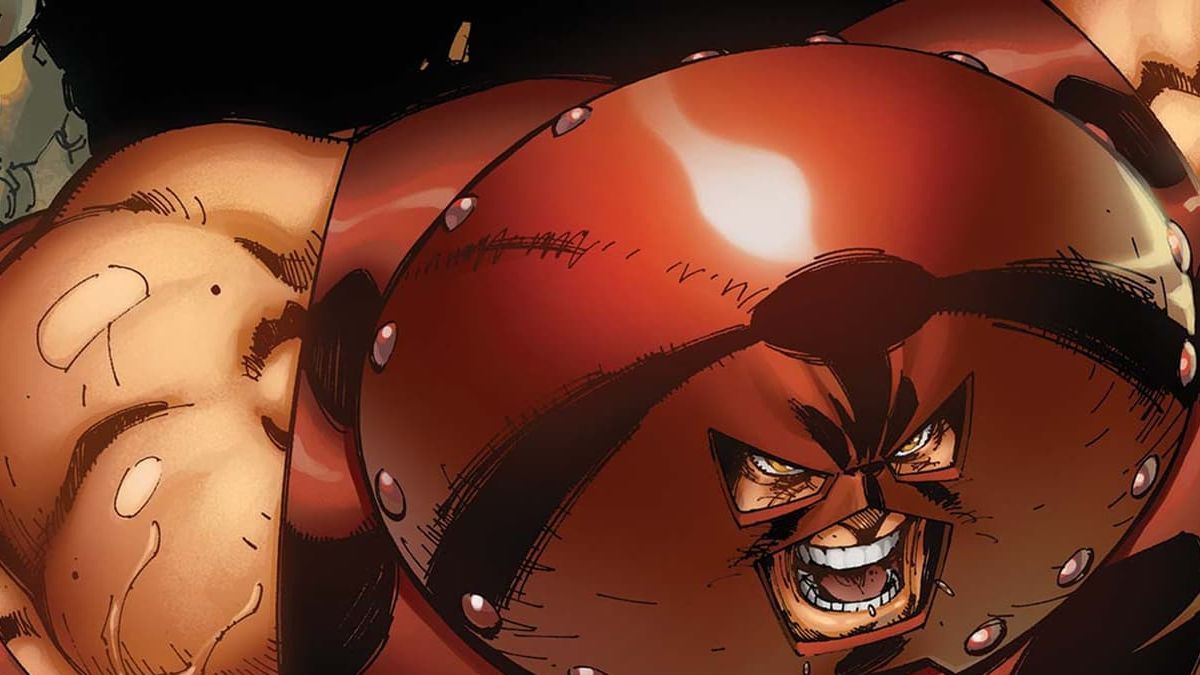
Marvel once caused a problem for Capcom by insisting ‘Juggernaut can’t jump’
Marvel and Capcom’s profitable partnership in the 1990s came with significant creative constraints, according to former Capcom localization lead Takuya “Tom” Shiraiwa. The collaboration began with the arcade beat ’em up The Punisher in 1994, followed by the popular fighting game X-Men: Children of the Atom. However, Marvel’s strict approach to character licensing proved challenging during development.
Marvel imposed very specific rules governing how its characters could behave and be portrayed in games. These restrictions extended to minute details—including limitations on character abilities. Most notably, Marvel insisted that Juggernaut could not jump, a constraint that complicated the fighting game’s design, despite the character having crossed a chasm in Marvel comics while possessed by an Asgardian spirit.
Shiraiwa recalled that navigating these licensing requirements was “pretty challenging,” as Marvel maintained tight creative control over its intellectual property during this era. The first rounds of discussion between the companies centered on establishing and clarifying these character-specific rules before development could proceed.
This anecdote illustrates how licensing agreements can impact video game development at a fundamental level. While the relationship ultimately proved lucrative for both parties, Marvel’s protective stance reflected the comic industry’s cautious approach to video game adaptations in the 1990s. The story exemplifies how publisher oversight—while often motivated by brand protection—can create unexpected technical and creative hurdles for development teams.