Steam stops indie developer from releasing a game for infringing the copyright of his own work
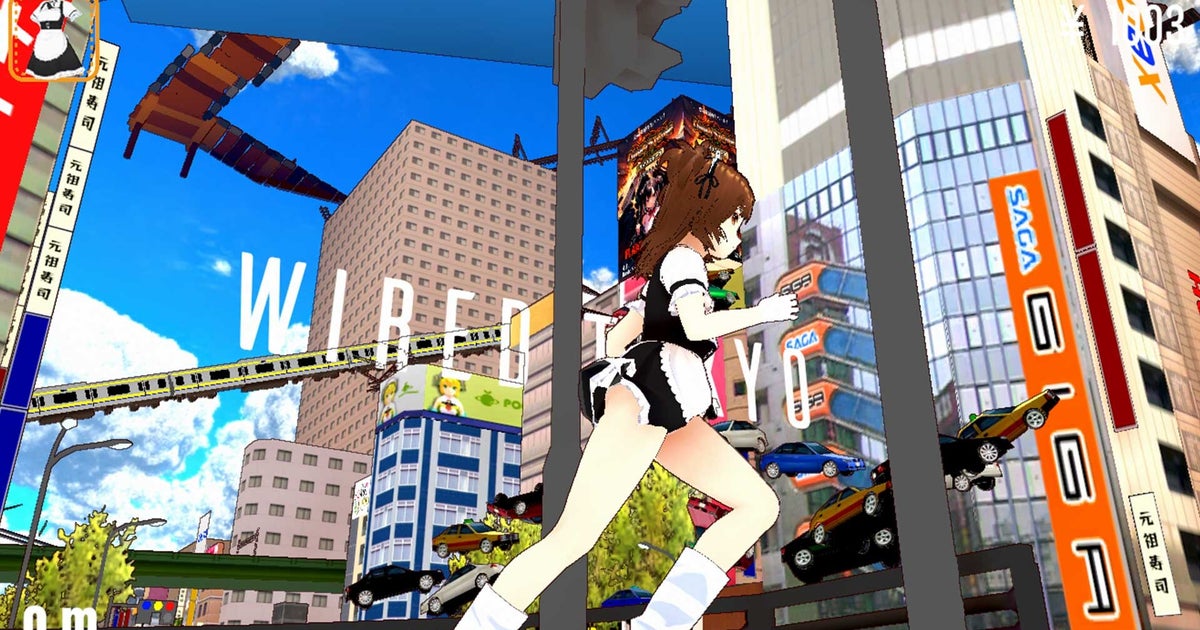
Japanese indie developer Daikichi_EMP has been blocked from releasing a demo of their game Wired Tokyo 2007 on Steam due to a copyright infringement claim involving assets the developer actually owns.
Steam’s content review flagged in-game board game objects as infringing third-party intellectual property, specifically referencing games called “Second Best” and “Dinostone.” However, Daikichi developed both of these board games themselves in previous projects. The core problem is that the developer cannot easily prove ownership to Valve without formal legal documentation.
Daikichi states they cannot afford to hire a lawyer to provide a legal letter confirming their copyright ownership—a solution that would likely resolve the dispute but exceeds their budget as an independent developer. This creates a catch-22 where legitimate creative reuse of their own work is blocked by Steam’s content verification system, which appears to lack sufficient mechanisms for developers to demonstrate ownership when intellectual property spans multiple projects or entities.
The situation highlights challenges faced by indie developers with limited resources when navigating platform approval processes. For developers without the means to quickly produce formal legal documentation, even legitimate ownership of creative assets can become an insurmountable barrier to release. Daikichi shared their predicament on social media, drawing attention to what many view as an overly rigid approach to intellectual property verification in Steam’s review system.