30 years later, Nicolas Winding Refn is still chasing the high of Pusher
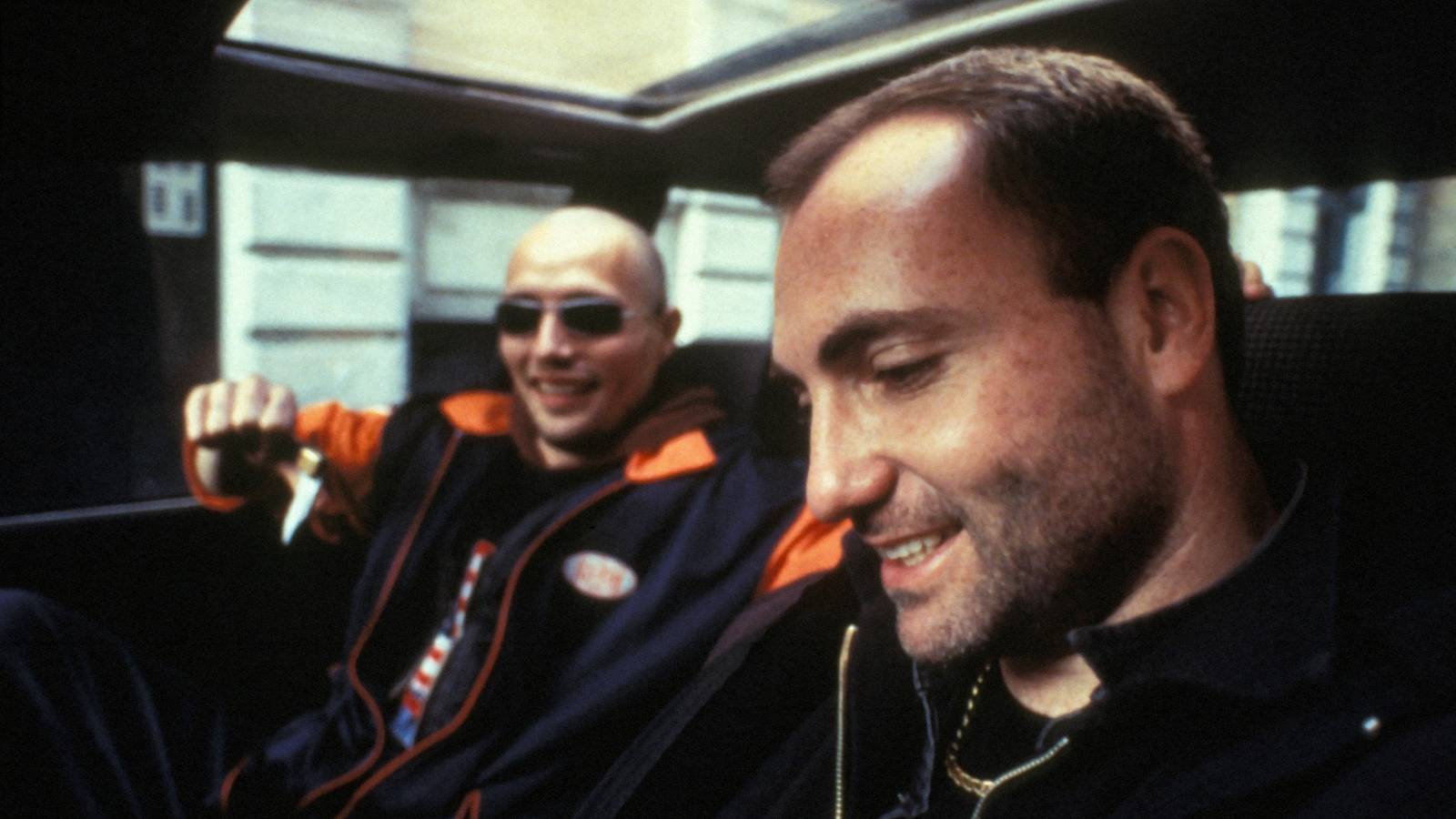
Three decades after making his directorial debut, Danish filmmaker Nicolas Winding Refn continues to be defined by Pusher, his 1996 crime thriller that launched his career. The film, which follows Kim Bodnia’s street-level drug dealer as he spirals into debt with a Serbian mobster, established Refn as a major talent through its raw, kinetic style and use of non-professional actors in supporting roles.
Pusher exemplifies a particular strain of anxiety-inducing cinema—comparable to the Safdie Brothers’ Good Time and Uncut Gems—that forces viewers to experience the mounting dread of protagonists making increasingly ill-fated decisions. While critically acclaimed, the film remained largely confined to Denmark upon its initial release rather than achieving widespread international recognition.
The success of Pusher spawned two sequels—Pusher II and Pusher III—that maintained the same high-stress format while exploring different characters, including Mads Mikkelsen’s tragicomic portrayal of Tonny. Together, the trilogy solidified Refn’s reputation as a filmmaker capable of extracting visceral tension from crime narratives.
Now, three decades later, Refn’s early work continues to cast a long shadow over his filmography. The article suggests that the director remains creatively chained to the visceral impact and critical recognition that Pusher provided, with the filmmaker still chasing that initial creative high that defined his breakthrough.