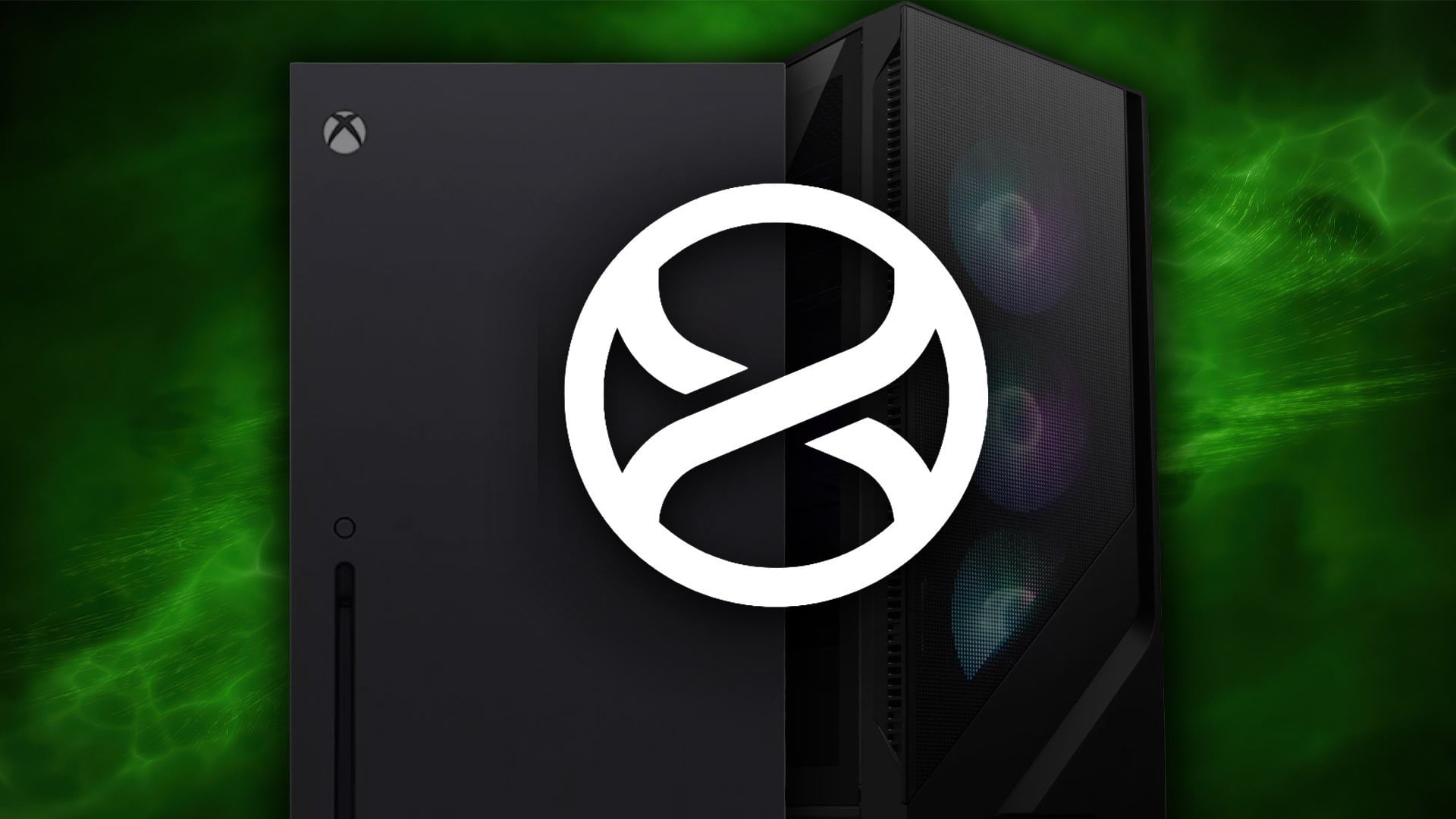
Feature: Is Xbox Project Helix a console or a PC?
Microsoft’s upcoming Project Helix next-gen console exemplifies the increasingly blurred boundary between traditional gaming consoles and PCs. Historically, consoles were defined by their proprietary architectures and custom silicon, distinguishing them from PCs built on standardized components. However, this technical distinction has largely collapsed in recent generations.
Both the PS5 and Xbox Series consoles now use x86 architecture—the same processor technology underlying modern PCs—abandoning the custom silicon approach of previous generations. Simultaneously, the distinction in component design has eroded, with unified chipset architectures combining CPU and GPU with shared memory pools becoming standard. These integrated designs already appear in gaming laptops and handheld PCs, further muddying traditional category lines.
The convergence raises a fundamental question: whether Project Helix should be classified as a console or PC becomes increasingly semantic rather than technical. As the hardware foundations of both categories continue to align, the traditional console-versus-PC distinction becomes less meaningful. The distinction now relates more to form factor, software ecosystem, and market positioning than to underlying computing architecture. Project Helix appears designed to embrace this convergence rather than maintain clear categorical boundaries.