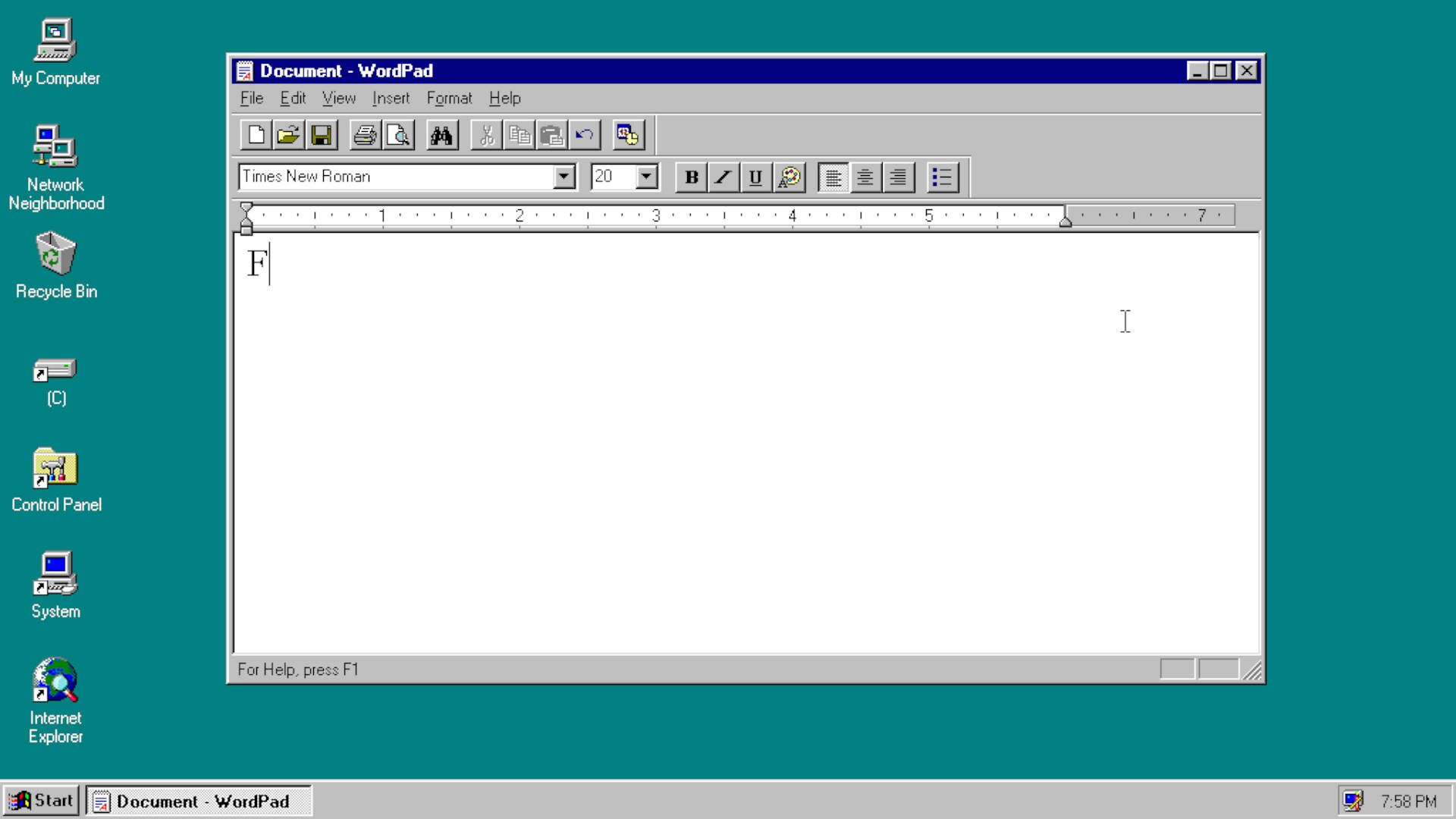
Microsoft exec. confirms Windows 11 is just as full of old code as you suspected: ‘We were thinking flying cars and moon stations by the year 2026, not Win32’
Microsoft has officially confirmed that Windows 11 still heavily relies on legacy Win32 code from Windows 95, decades after its initial release. A senior Microsoft executive acknowledged this reality through a video posted on X (formerly Twitter), providing official validation to long-held suspicions among users and developers.
The executive humorously noted that in the 1990s, nobody anticipated the Win32 API would still be a “first-class API surface” in 2026, referencing the optimistic technological predictions of that era when people imagined flying cars and moon stations rather than persistent legacy code. The presence of this antiquated code is readily visible in Windows 11’s user interface, particularly in older dialog boxes that appear when navigating through multiple UI layers, creating a jarring visual contrast with the operating system’s modern design aesthetic.
This revelation highlights a fundamental challenge in operating system development: maintaining backward compatibility. Microsoft has chosen to preserve Win32 functionality rather than completely redesigning these components, primarily because removing it would break the vast ecosystem of applications built on this API over three decades. While this pragmatic approach ensures continued compatibility with legacy software, it perpetuates technical debt and creates the visual inconsistencies users encounter when interacting with Windows 11’s older components.