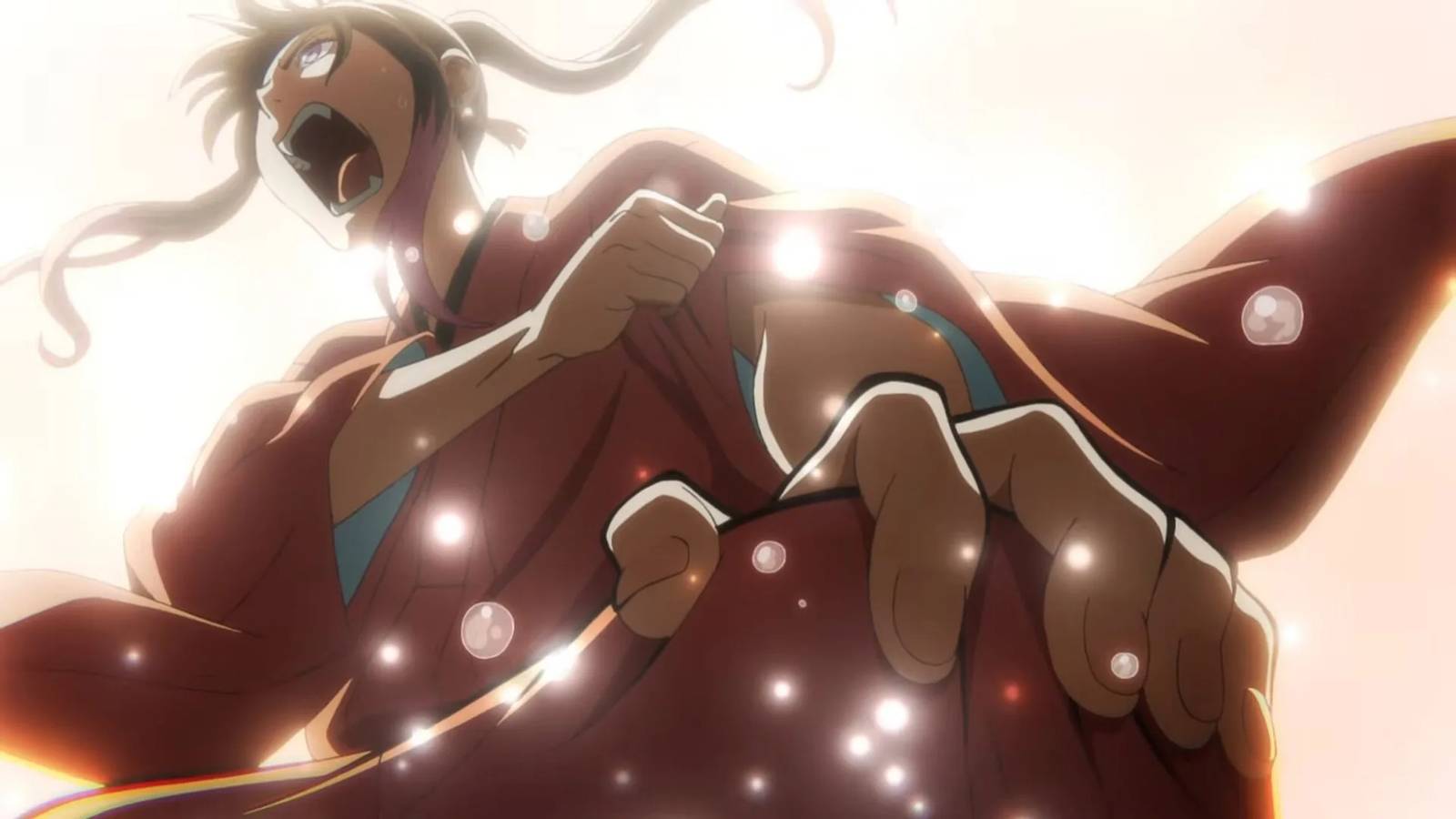
Akane-banashi shouldn’t work as an anime but it’s still Spring’s best overlooked show
Rakugo, a centuries-old Japanese comedic storytelling art form, is traditionally performed by solo actors (rakugoka) in intimate yose theaters. Performers remain seated throughout their acts, using only a paper fan and cloth as props while inhabiting multiple characters through vocal shifts, gestures, and timing alone—leaving everything else to the audience’s imagination.
The art form seems poorly suited for modern entertainment consumption. Rakugo faces dwindling interest in an era of digital entertainment and shortened attention spans. As a dying cultural practice, it appears unlikely to inspire compelling multimedia adaptations.
Yet the anime Akane-banashi successfully breaks this expectation. Despite rakugo’s inherent limitations as a storytelling medium for contemporary audiences, the show manages to become one of Spring’s most compelling yet overlooked anime series. The success suggests that traditional performing arts, even seemingly stagnant ones, can find renewed relevance and engagement through animation.
The series demonstrates how anime as a medium can revitalize interest in obscure cultural practices by making them visually engaging and narratively compelling to new audiences who might otherwise never encounter rakugo. This intersection of ancient tradition and modern animation offers an unexpected validation that niche cultural art forms retain storytelling potential when adapted thoughtfully.