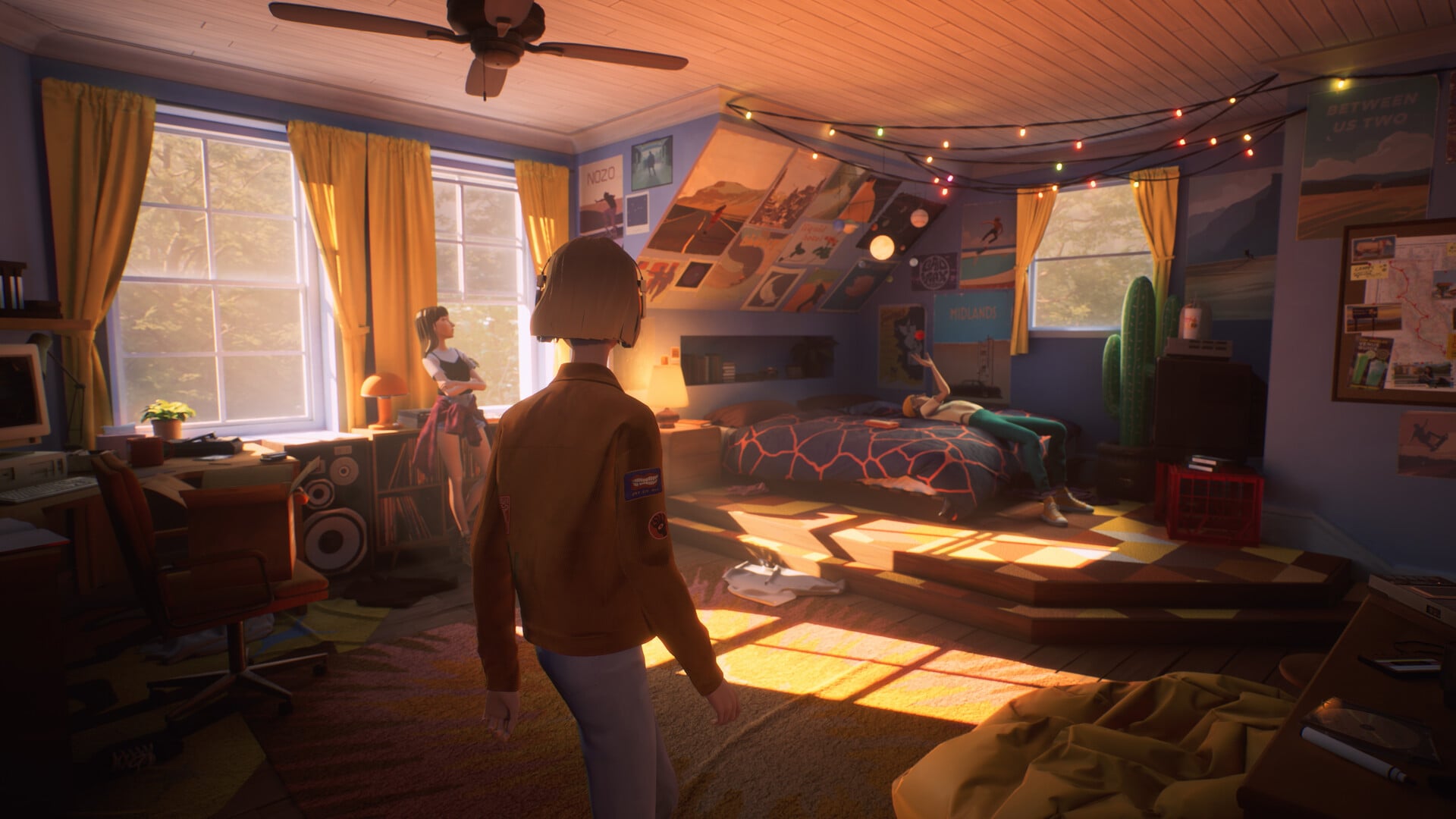
What’s Wrong With Mixtape? Why Does the Internet Seem To Hate This Smash Hit?
Mixtape, a coming-of-age narrative game released on May 7, 2026, has created an unusual schism between critical acclaim and community reception. The title boasts strong professional reviews—a 10/10 from IGN, 9/10 from Push Square, an 85 Metacritic score, and overwhelmingly positive Steam reviews—making it one of 2026’s highest-rated games. Yet simultaneously, significant portions of the online gaming community have expressed harsh criticism, with some dismissing the game as “not even a ‘real game.’” This stark divide reveals a fundamental disconnect in gaming discourse.
The game’s appeal appears heavily dependent on nostalgic sensibilities, particularly among older demographics with 90s memories. Its licensed soundtrack and story-driven design resonated intensely with critics, who frequently infused their reviews with personal nostalgia. However, this narrow demographic appeal becomes its primary liability for audiences without those specific memories. The game’s limited gameplay stakes and on-rails sequences, highlighted in a viral gameplay clip, have fueled criticism questioning its interactive credentials.
Professional reviewers acknowledged the game isn’t universally appealing, describing it as a “truly special story experience” while recognizing its niche appeal. This specialization—where the game succeeds intensely for its intended millennial audience but fails to translate across broader gaming communities—has generated some of the most problematic online discourse recently witnessed. The controversy ultimately reflects differing expectations about what constitutes a legitimate gaming experience, with the gap between critical consensus and community sentiment serving as a stark reminder of gaming’s increasingly fractured cultural landscape.