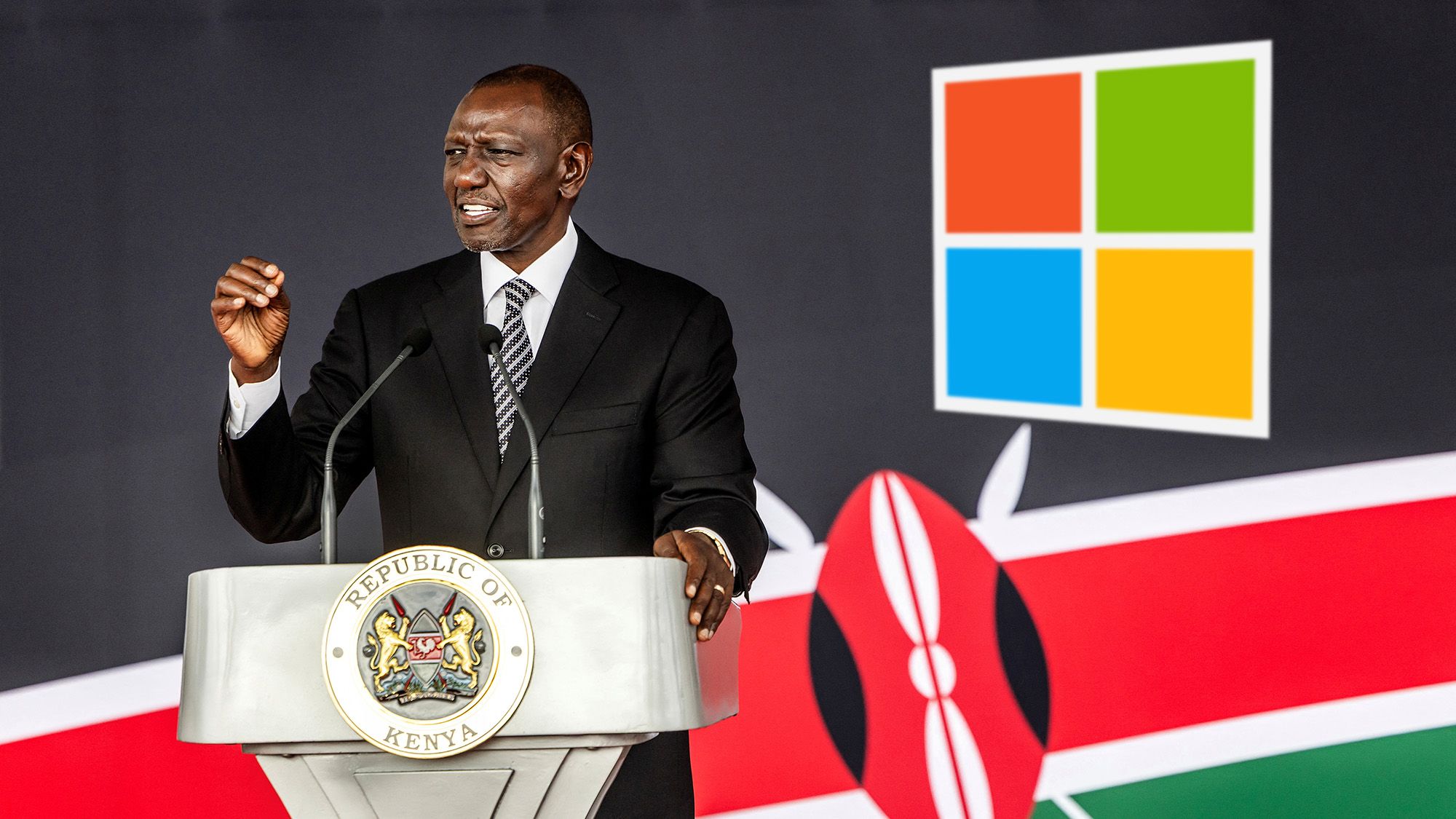
Kenya’s President warns Microsoft’s $1 billion AI data center will “switch off half the country” — but my government insists it hasn’t failed or withdrawn from the project
Microsoft and UAE-based AI firm G42 have partnered to invest $1 billion in a data center in Kenya as part of Microsoft’s global expansion of cloud-computing infrastructure for generative AI. The facility is intended to provide the specialized hardware, computing power, and advanced cooling systems required to train and operate modern large-scale AI models.
However, the project faces significant challenges related to Kenya’s power infrastructure. The country’s President has publicly warned that the data center could “switch off half the country” due to its massive energy consumption demands, raising concerns about straining Kenya’s already limited power resources. AI data centers rank among the most electricity-intensive infrastructure projects, requiring enormous amounts of power for continuous computing operations and cooling systems.
Despite the President’s concerns, Kenya’s government has asserted that it has neither abandoned nor failed the project, indicating that negotiations continue around infrastructure requirements. The situation highlights a broader challenge for developing nations: balancing the economic benefits and technological advancement potential of hosting global AI infrastructure against the practical constraints of existing power grids and energy availability.