Sony assures that AI is only meant to ‘augment’ artists’ capabilities instead of replacing them but it feels like a slippery slope
Sony has emphasized that artificial intelligence will be used to augment creative capabilities rather than replace human artists, according to statements made during the company’s recent earnings call. CEO Hiroki Totoki outlined a corporate strategy centered on AI, stating that the technology “will make it easier to take on more innovative and ambitious projects.”
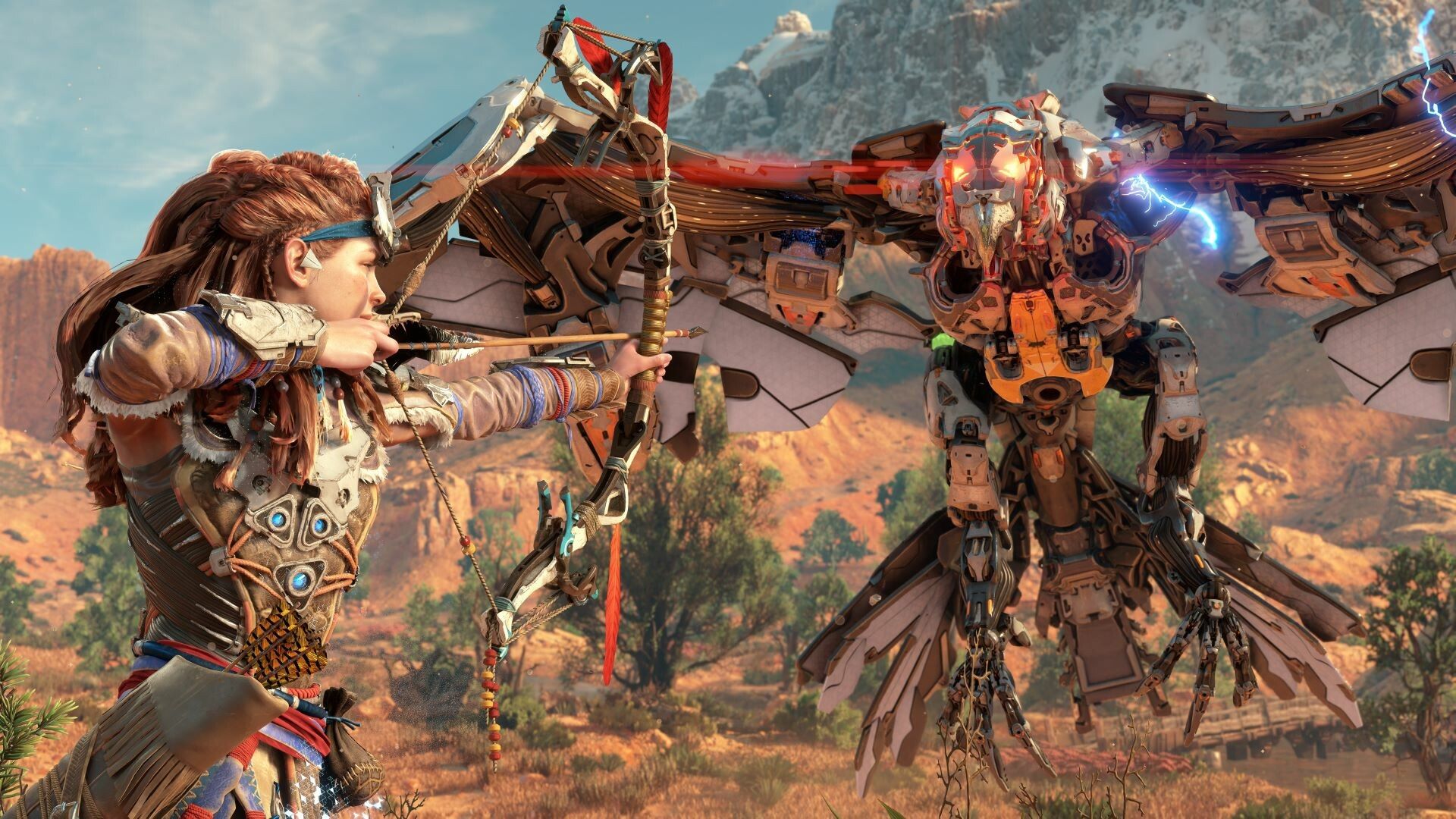
In the gaming division, Sony highlighted an in-house tool called Mockingbird, which uses AI to animate 3D facial models based on performance capture data. The company confirmed that this tool was already utilized in the development of Horizon Zero Dawn Remastered. Totoki stressed that human performers remain essential to the process, noting “we are not replacing human performers,” though the full statement was cut off in the available excerpt.
Despite these assurances, the framing raises questions about the trajectory of AI adoption in game development. While Sony frames Mockingbird as an augmentation tool that enhances artist productivity, observers worry this represents the beginning of a gradual shift toward broader automation of creative roles. The distinction between “augmenting” human work and “replacing” it can become blurry as technology advances and capabilities expand.
The broader context includes other AI-related technologies Sony mentioned, such as upscaling and PSSR (PlayStation Spectral Super Resolution), which improve visual quality through computational methods rather than traditional asset creation. As the gaming industry increasingly integrates AI tools into production pipelines, the tension between efficiency gains and workforce preservation concerns continues to shape the conversation.