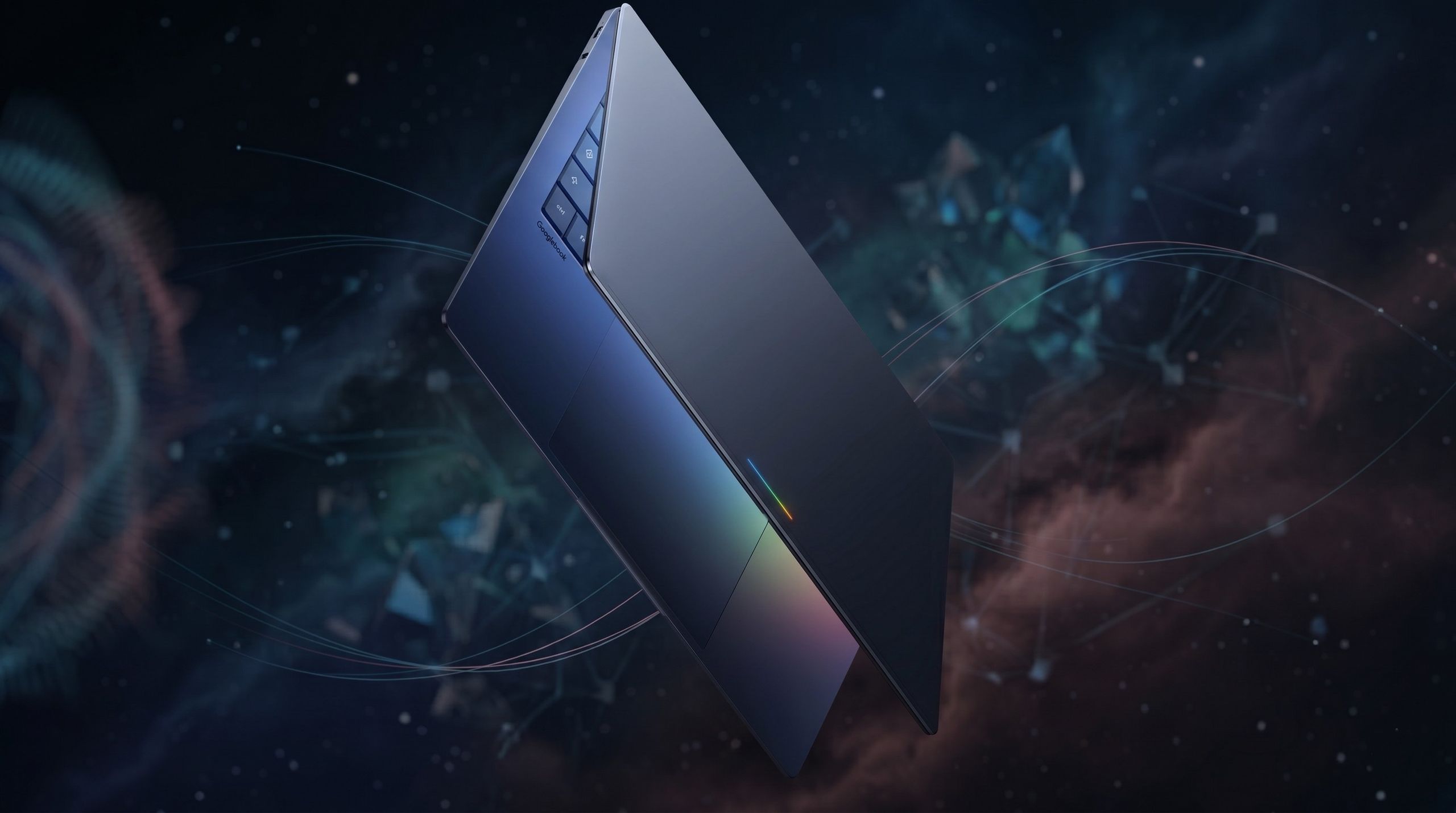
Googlebooks are coming, but should Microsoft be scared? Windows 11’s biggest threat could be Android PCs if things don’t improve
Google is launching Android PCs called Googlebooks this fall, combining Chrome OS and Android into a unified operating system designed for laptops from major manufacturers including Dell, HP, and Lenovo. This move represents a significant competitive threat to Microsoft’s dominance in the PC market at a critical moment for Windows 11.
The timing of Google’s announcement capitalizes on widespread dissatisfaction with Windows 11. Microsoft’s operating system has faced persistent criticism and user frustration, with the company only recently beginning to address major issues. This window of opportunity comes as users actively seek alternatives to Windows.
Google is leveraging Microsoft’s stumbles to introduce Googlebooks to a market ripe for disruption. By combining the familiarity of Chrome OS with Android’s mobile ecosystem, Google aims to offer users a compelling alternative to Windows-based systems. The platform targets device manufacturers including Dell, HP, and Lenovo, all of whom stand to benefit from expanded OS options.
The emergence of Googlebooks signals intensifying competition in the PC operating system market, potentially challenging Microsoft’s long-standing dominance. As Microsoft works to restore Windows 11’s reputation and functionality, Google’s entry into the traditional laptop space with a mobile-friendly OS could significantly reshape the personal computing landscape.