I dug into how Microsoft is pushing Windows 11 toward fully native apps, and it could lead to major speed gains
Microsoft is undertaking a major overhaul of Windows 11 through Project K2, an initiative designed to strip away legacy code and inefficient features that have slowed down the operating system. The project aims to make Windows feel more responsive and native by removing what Microsoft internally describes as “AI slop”—bloated or poorly implemented functionality.
To achieve these performance improvements, Microsoft is actively encouraging third-party developers to migrate their applications to WinUI 3, a modern framework that enables native Windows applications. However, the migration process has historically been complicated and time-consuming for developers, particularly when relying on generic AI coding assistants.
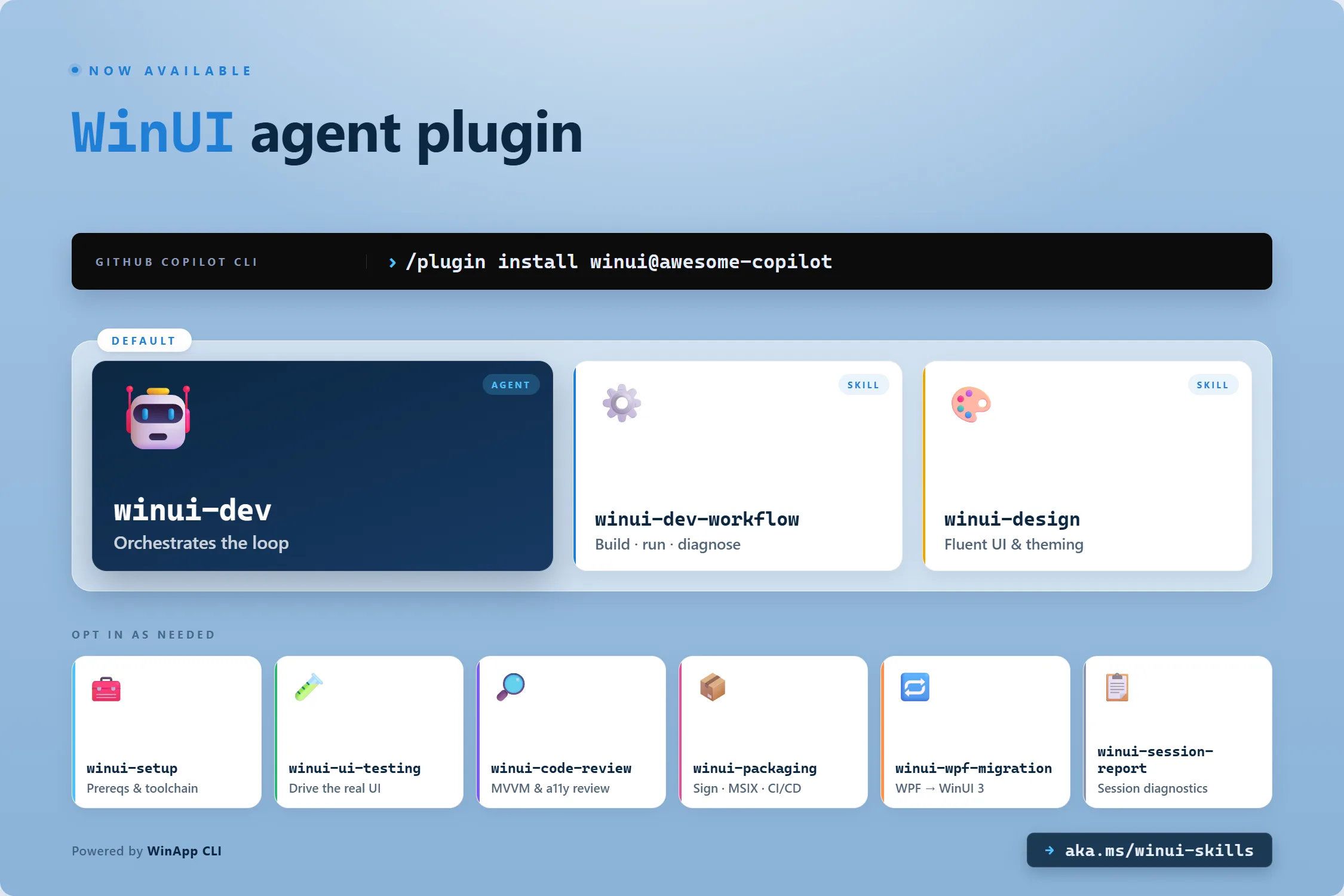
In response, Microsoft has developed a specialized AI agent tool specifically designed to assist developers in building native applications more efficiently. This tool requires fewer tokens and less development time than generic AI agents, making the migration process more accessible and less resource-intensive for developers.
The initiative represents a significant investment in improving Windows 11’s overall performance and responsiveness while providing developers with better tools and support for creating native applications. By focusing on native apps and reducing legacy code, Microsoft aims to deliver a faster, more efficient operating system experience for users.