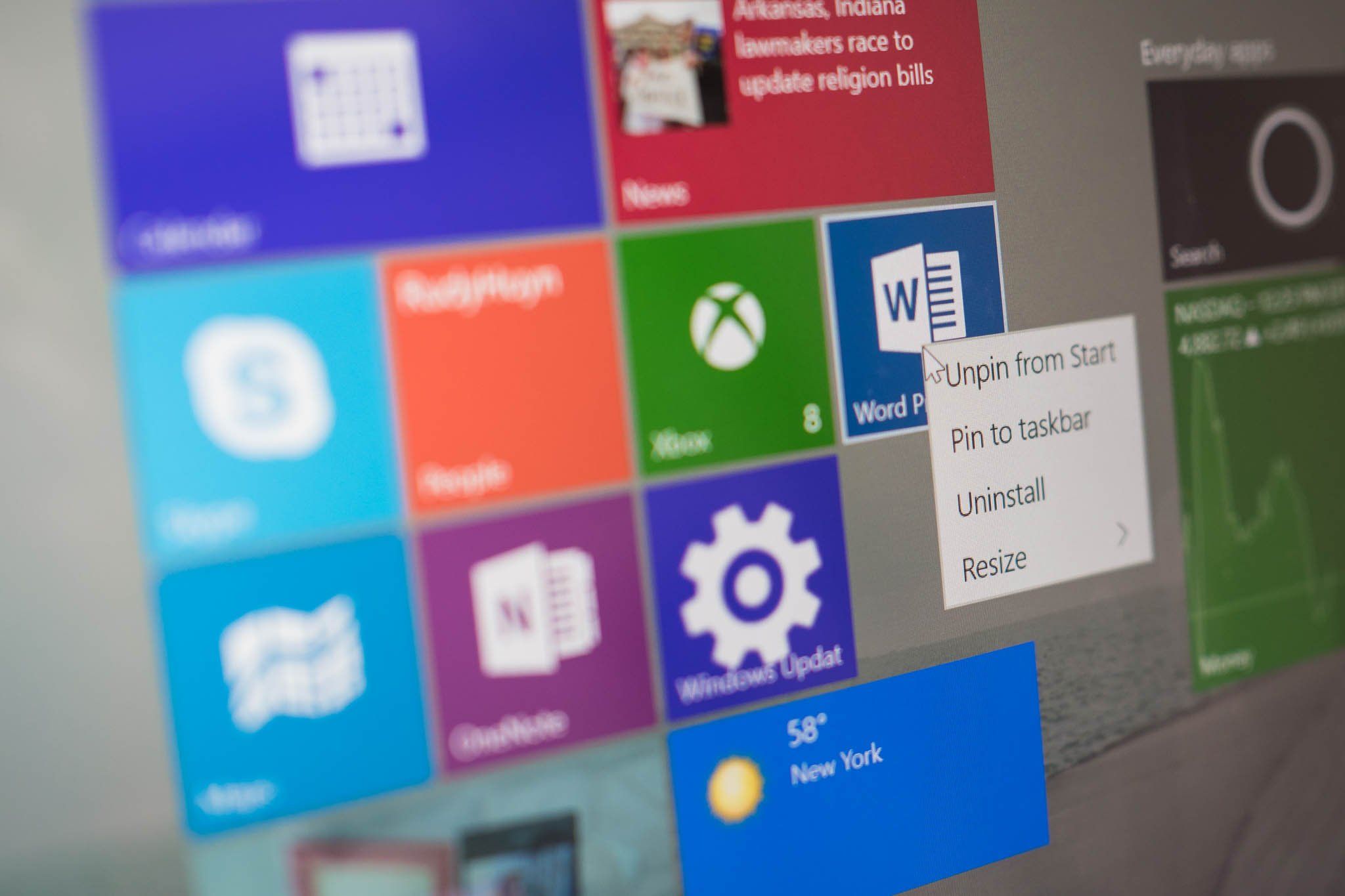
ON THIS DAY: Microsoft offers an olive branch for users of ‘Non-Genuine’ Windows PCs to get a Windows 10 upgrade
Microsoft made a significant strategic shift by offering free Windows 10 upgrades to users of non-genuine Windows PCs, marking a departure from its traditional strict licensing enforcement approach. This decision, announced 11 years prior to the article’s publication, represented a major pivot in how the company prioritized Windows adoption and ecosystem unity.
The move reflected Microsoft’s recognition that fragmented and insecure older Windows versions posed a greater threat than unlicensed installations. By offering these users a legitimate path to Windows 10, Microsoft aimed to consolidate the user base onto a single, modern, updateable platform that the company could more effectively secure and develop. Rather than attempting to force compliance through punitive measures, Microsoft chose incentivization to achieve its core objective: getting users away from outdated, vulnerable systems.
This olive branch represented a fundamental rethinking of Microsoft’s licensing strategy, prioritizing a unified Windows ecosystem over revenue maximization from licensing enforcement. The decision underscored the company’s understanding that having users on a current, supported platform—even if they had previously used non-genuine versions—was preferable to having them remain on fragmented, unpatched systems that posed security and compatibility risks.