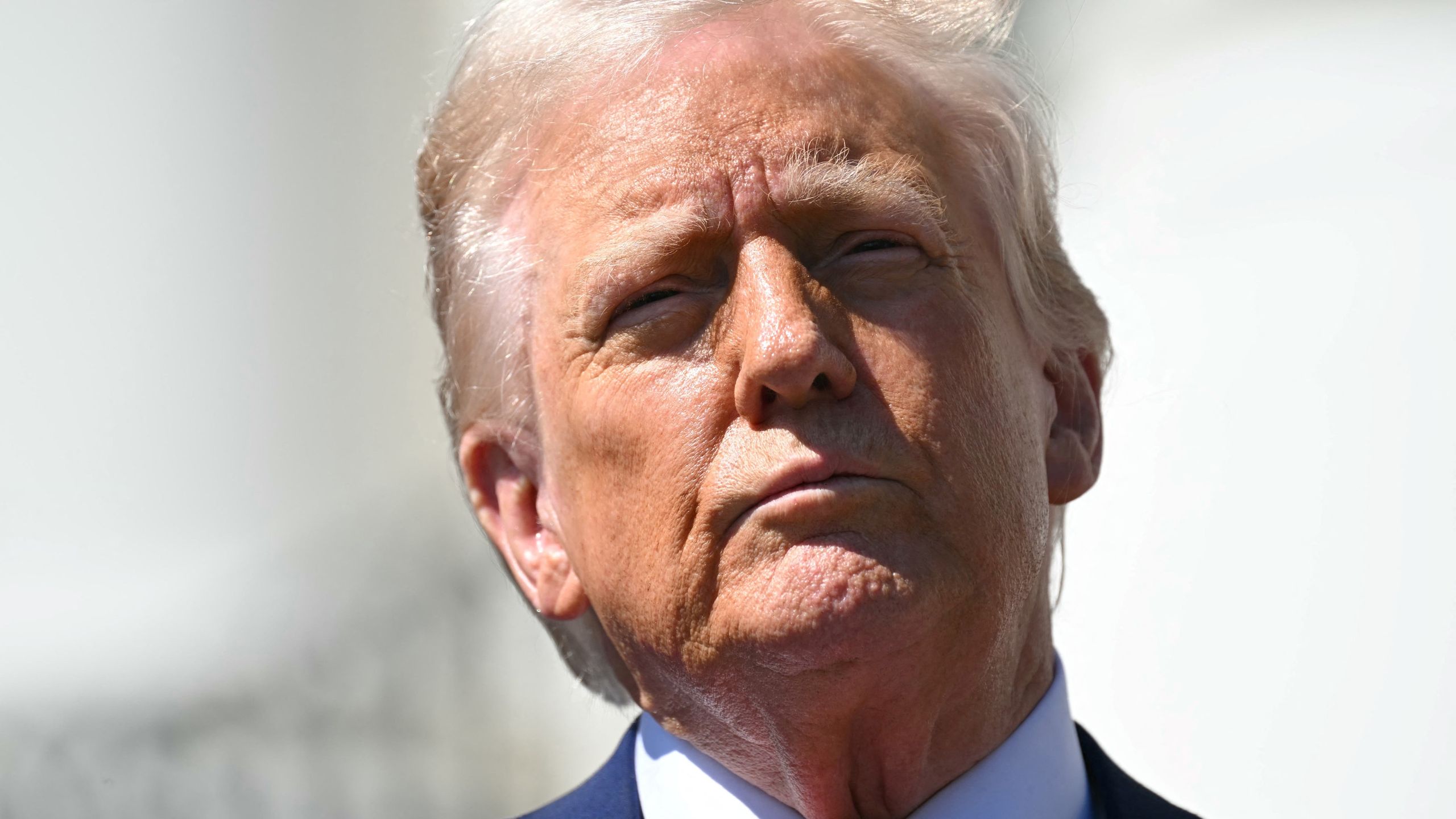
Despite Donald Trump and Jensen Huang flying out to the country, China has not yet approved the sale of Nvidia AI chips
US President Donald Trump, accompanied by tech industry representatives from Nvidia, Qualcomm, and Micron, recently traveled to China on Air Force One to improve strained trade relations between the two countries. The primary objective was to negotiate the sale of advanced AI chips to Chinese firms as part of broader efforts to strengthen economic ties while maintaining US technological advantage in artificial intelligence.
Despite the high-profile diplomatic mission, China has not yet approved the sale of Nvidia’s AI chips, with the timing remaining uncertain as Chinese officials continue their review process.
In a related development, the US approved Nvidia to sell its H200 chip—the company’s second-best AI processor—to ten Chinese firms, with each company permitted to purchase up to 75,000 units. This measured gesture toward China represents a restricted enough sale to prevent China from gaining a leading AI position, while remaining substantial enough to offer meaningful business opportunity.
The situation reflects the complex dynamics of US-China technological competition and trade relations. While the Trump administration’s direct engagement signals willingness to negotiate and maintain commercial relationships, China’s cautious review process demonstrates Beijing’s careful approach to high-technology deals. The outcome will likely have significant implications for US tech companies’ access to the Chinese market and the broader trajectory of global AI chip distribution.