Intel is reportedly forcing PC builders to buy its latest, most expensive 18A CPUs and I’m wondering what that means for Arrow Lake desktop chips
Intel is reportedly directing PC builders to purchase its latest 18A-process CPUs while reserving its older Intel 7 node for more profitable server chips, according to Nikkei Asia. The shift stems from surging demand for AI-capable server processors, prompting Intel to request major PC partners in the US, China, and Taiwan to increase their adoption of 18A-based processors.
The move presents a significant challenge for the consumer desktop market: Intel currently has no 18A desktop CPUs available for consumers. Meanwhile, the company’s supplementary CPU production from TSMC is facing supply constraints, further tightening desktop chip availability. By concentrating its Intel 7 process for server applications, Intel appears to be betting heavily on enterprise and AI infrastructure demand while limiting consumer CPU options.
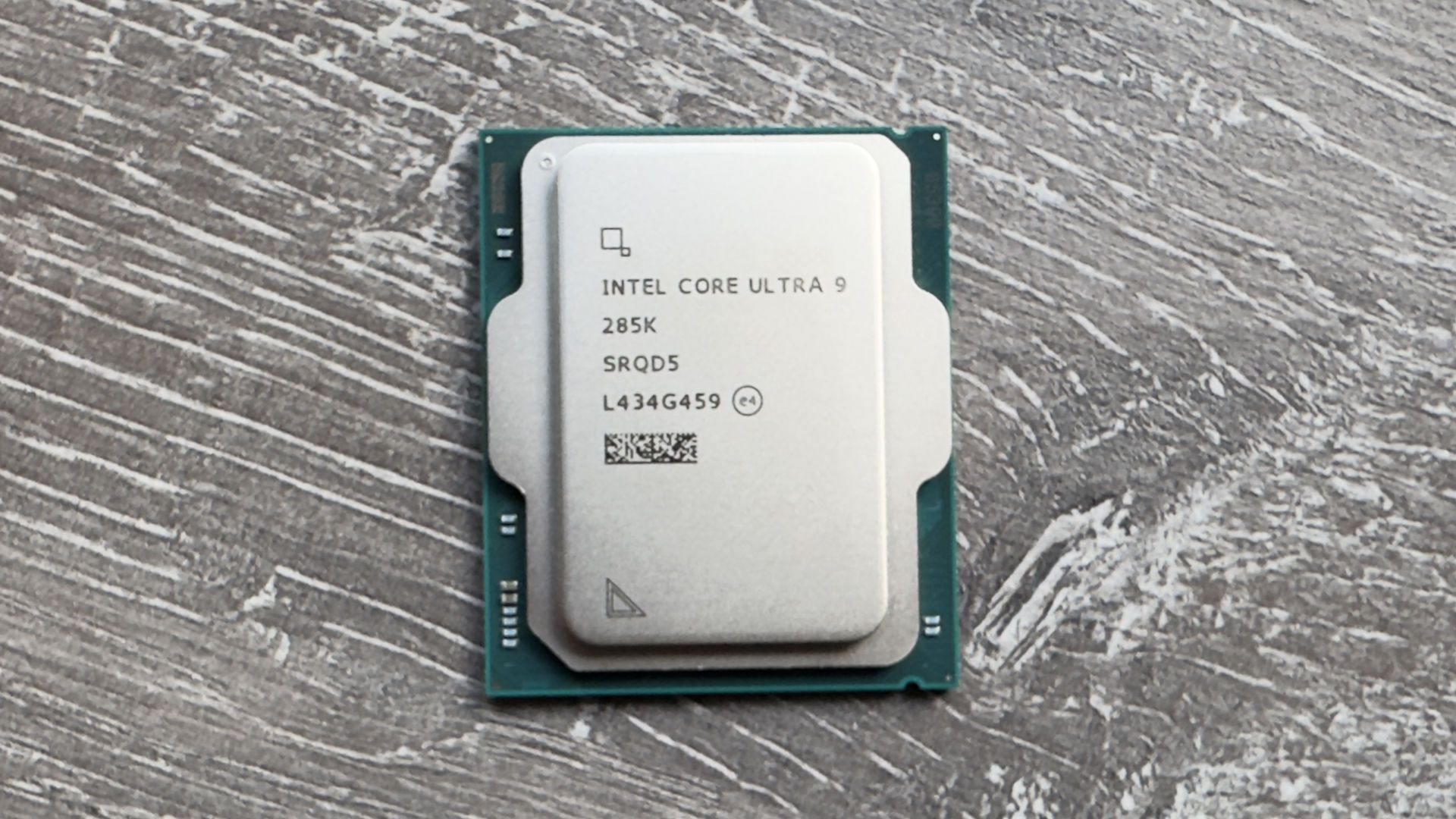
This strategic reallocation raises concerns about Arrow Lake desktop processors, which utilize the Intel 7 process. The situation reflects broader industry trends where enterprise and AI-focused hardware is commanding premium production resources, potentially leaving consumer markets with reduced availability and higher prices. For PC builders and consumers, this could mean limited Arrow Lake stock, delayed launches, or pressure to adopt more expensive processor alternatives.
The timing highlights Intel’s competitive pressures in both server and consumer segments, as AMD and other competitors offer compelling alternatives. By prioritizing high-margin server chips riding the AI wave, Intel appears to be optimizing for short-term profitability over consumer market share.