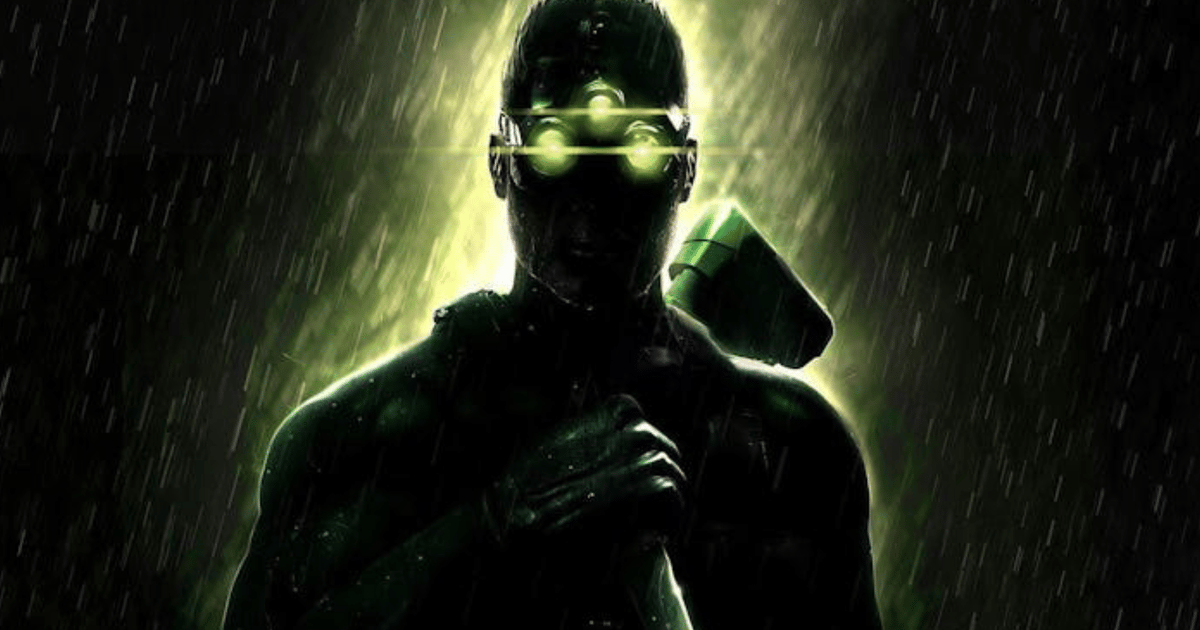
Splinter Cell designer says modern lighting has made stealth games harder to read
Clint Hocking, the creative director of 2005’s acclaimed Tom Clancy’s Splinter Cell: Chaos Theory, has raised concerns about how modern graphics technology is complicating stealth game design. In an interview with FRVR, Hocking explained that the sophisticated rendering techniques used in contemporary games—including ray tracing, path tracing, diffuse lighting, and ambient occlusion—have made it significantly harder to create readable stealth gameplay.
The key issue, according to Hocking, lies in the trade-off between graphical realism and gameplay clarity. Classic stealth games relied on baked lighting, which created clean, understandable visual environments that players could easily read. This clarity made it obvious where shadows existed and how visible the player character was to enemies. Modern lighting techniques, while more realistic, introduce subtle gradations of shadow and darkness that make it difficult for both players and developers to clearly understand sight lines and concealment opportunities.
This challenge affects stealth game development on multiple levels: players struggle to judge their own visibility and positioning, while creators find it harder to design and communicate safe hiding spots and movement routes. The issue represents an unintended consequence of pursuing visual fidelity—improved graphics can actually undermine the core mechanics that make stealth gameplay work.
Hocking, who recently announced plans to launch a new studio, was sharing these observations as part of ongoing industry discussion about balancing technical advancement with gameplay clarity in the genre.