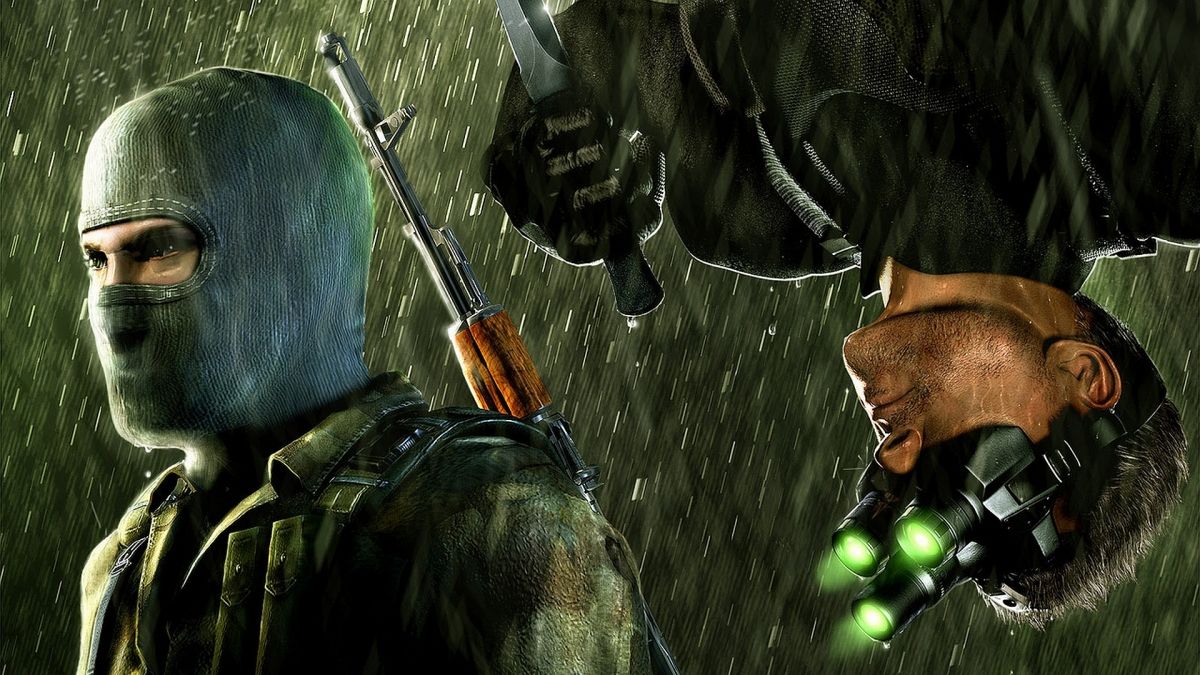
The director of the best Splinter Cell game reckons that modern lighting engines are making stealth games ‘so much harder to read’
The director of Splinter Cell: Chaos Theory has offered a technical explanation for why modern stealth games have largely moved away from light-based gameplay mechanics. Clint Hocking attributes this shift to changes in how modern game engines render lighting and shadows.
Historically, stealth games relied on baked lighting and dynamic lights with hard, defined edges, making it relatively easy for players to visually parse safe shadows versus illuminated areas. However, contemporary lighting engines have evolved toward softer shadows and ray-tracing models that produce more realistic but visually complex lighting environments.
Hocking suggests that this technological advancement may have inadvertently made shadow-based stealth mechanics “harder to read” for players, contributing to the industry-wide pivot toward line-of-sight based stealth systems that are more immediately understandable at a glance. While line-of-sight mechanics are simpler for players to comprehend—and are more easily integrated into games where stealth is not the primary focus—the underlying reason appears to be tied to the technical limitations of modern lighting rendering.
This insight highlights a design philosophy challenge: as game engines become more graphically advanced and realistic, the practical usability of certain gameplay mechanics may suffer. The trade-off between visual fidelity and mechanical clarity represents an ongoing tension in game development, where technological capabilities don’t always align with gameplay accessibility.