FIFA Reveals Long-Term Digital Football Strategy Ahead Of 2026 World Cup
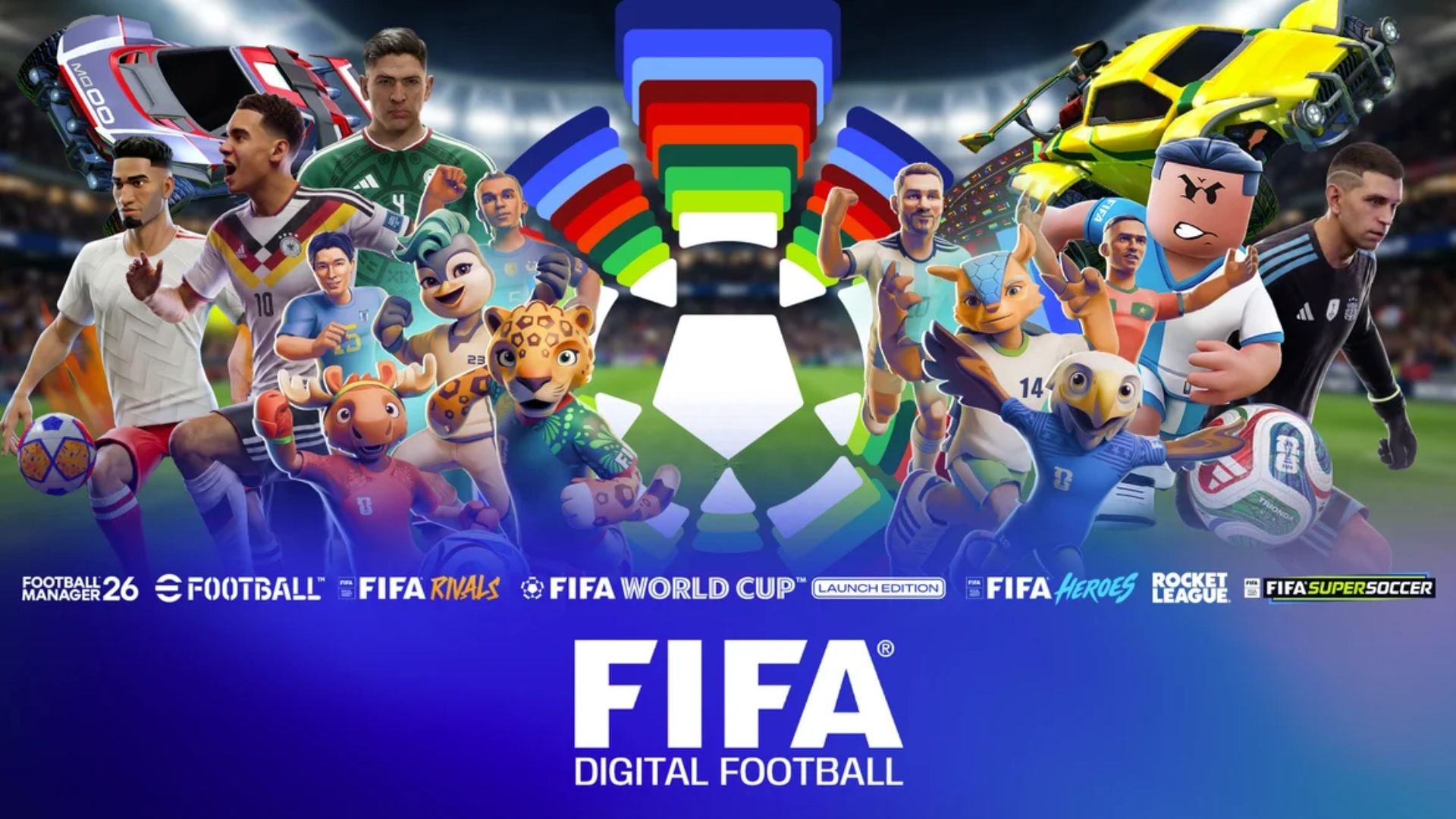
FIFA has unveiled a new Digital Football Strategy designed to reshape how the organization approaches gaming and esports ahead of the 2026 World Cup. Rather than relying on a single flagship football game, FIFA is transitioning to a “multi-partner ecosystem orchestrator” model that will connect multiple gaming platforms, publishers, and developers under its banner.
The shift marks a significant departure from FIFA’s traditional approach, where one major partner typically held exclusive rights to create the official FIFA-branded football game. Under the new strategy, FIFA will foster partnerships across the gaming industry, creating a broader digital football ecosystem that encompasses gaming titles, esports competitions, and digital platforms.
FIFA states that this multi-partner approach is designed to connect partners, platforms, competitions, and fans around the world. By expanding beyond a single-game model, FIFA aims to offer more diverse gaming experiences and broader audience reach across different gaming communities. The organization is positioning itself as a central hub for digital football rather than depending on one flagship title.
The timing of this announcement is strategic, as FIFA prepares for heightened global attention during the 2026 World Cup. By working with multiple publishers and developers rather than a single exclusive partner, the organization aims to maximize its digital presence and revenue opportunities during this major sporting event and beyond.
This evolution reflects broader industry trends toward platform-agnostic approaches and ecosystem-based strategies in sports gaming. Rather than seeking a single flagship product, FIFA’s new model could potentially make its digital football experiences more accessible across various gaming communities, though specific details about partner announcements remain forthcoming.