Extrapolation is the future of frame generation without the latency hit… and it’s not far off
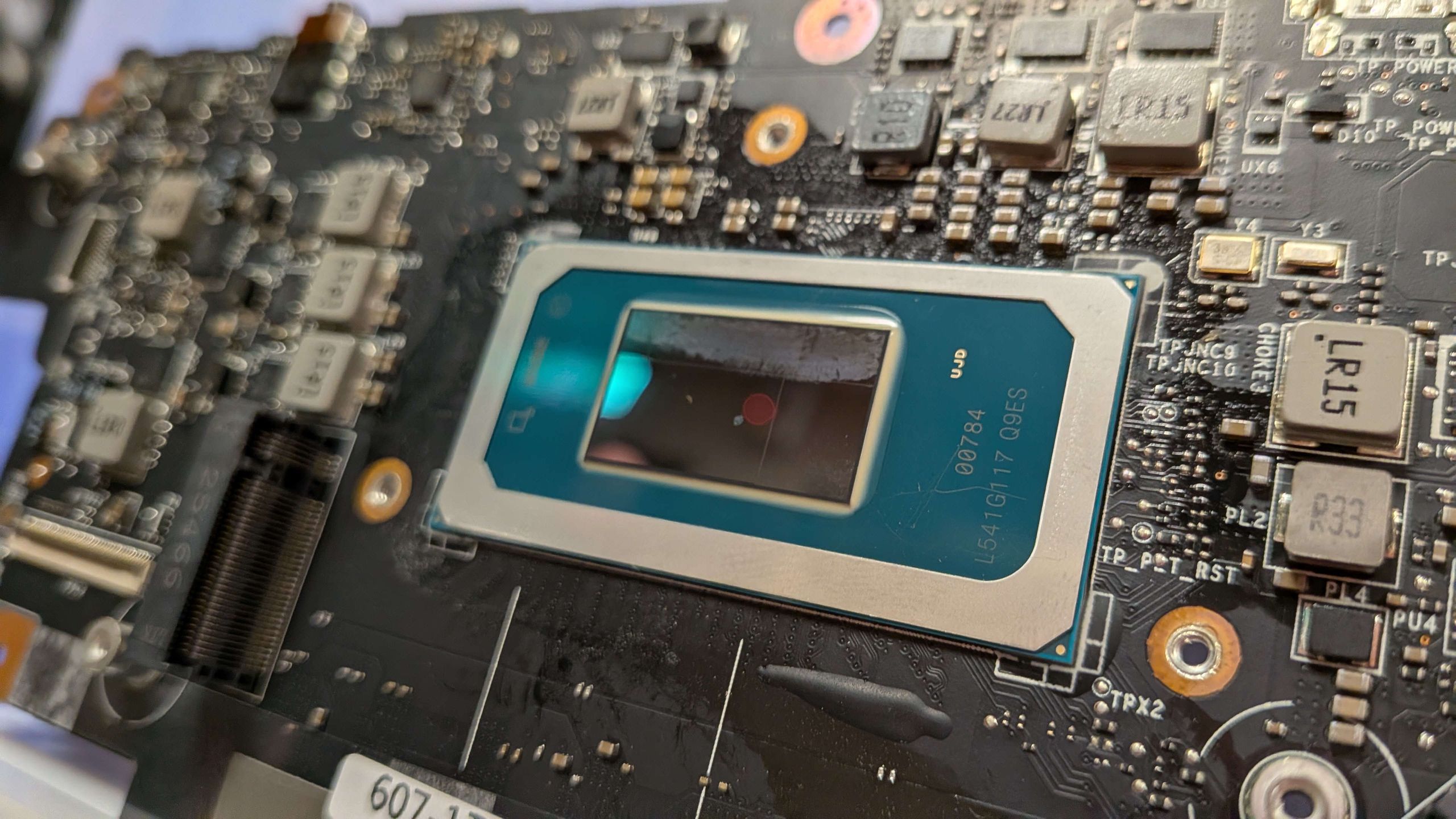
At Computex, Intel has unveiled its new G3 family of handheld processors, marking a significant advancement in portable gaming technology. The processors deliver the critical combination of strong gaming performance and extended battery life—a breakthrough for handheld PCs that previously struggled to balance these competing demands.
The G3 chips use x86 architecture at their core, maintaining compatibility with the existing PC gaming ecosystem while optimizing for the power constraints of handheld devices. Intel emphasizes that frame generation technology is essential to achieving a smooth gaming experience on these portable systems.
However, frame generation typically introduces noticeable latency—a significant drawback for gaming responsiveness. Intel is promoting “extrapolation” as a solution to this problem, representing a new approach to frame generation that promises to eliminate the latency penalty associated with current techniques. According to Intel’s Tom Petersen, this is “the technology that will change the experience,” suggesting the innovation could be transformative for handheld gaming.
The timing is significant, with Intel indicating that this extrapolation-based frame generation technology is not theoretical but approaching practical implementation. The development addresses one of the core challenges in handheld gaming: delivering modern, visually impressive games at playable framerates without draining batteries within hours. Intel’s G3 processors arrive as competitors like Nvidia also advance handheld gaming hardware, making this period particularly fertile for innovations in portable gaming technology.