How to direct unconventional games like Control Resonant
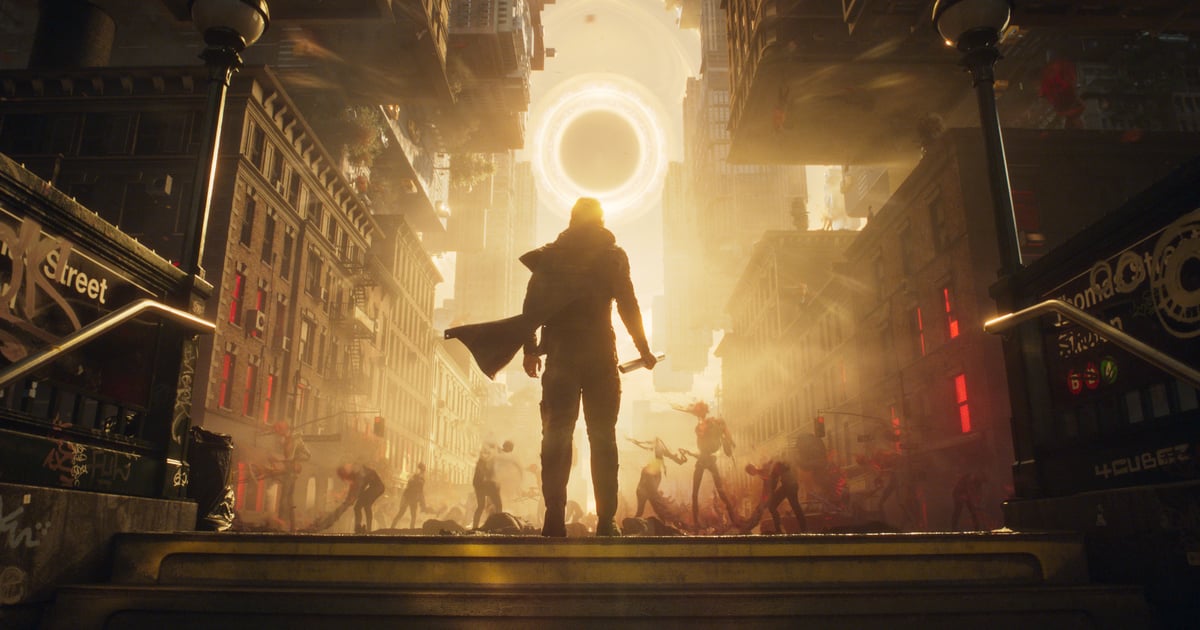
Remedy Entertainment’s Control Resonant is an ambitious sequel that pushes the boundaries of the original 2019 Control, representing a significant creative leap forward. Developing games in unconventional and esoteric genres presents unique challenges for development teams, requiring not only new programming and animation approaches but also fresh design philosophies that differ fundamentally from traditional game development.
One of the central challenges developers face when creating games in new gameplay genres is maintaining team cohesion around a shared creative vision, particularly when working in strange and otherworldly settings that have no established design precedent. Control Resonant exemplifies this challenge, as the project demands the creation of wholly new mechanics from the ground up within an unfamiliar narrative and aesthetic framework.
Creative Director Mikael Kasurinen has highlighted the importance of what Remedy Entertainment calls their framework for “propagating vision”—a systematic approach to ensuring all team members understand and align with the game’s core creative direction. This methodology becomes especially critical when building games in esoteric genres, where developers cannot rely on familiar conventions or player expectations to guide design decisions. By establishing clear processes for sharing and reinforcing the game’s vision throughout development, teams can navigate the inherent uncertainty of creating genuinely novel gameplay experiences while maintaining consistency across programming, art, animation, and design disciplines.
The approach underscores a broader industry recognition that making games in new genres is fundamentally harder than iterating on established formulas, and that successful unconventional projects require both technical innovation and strong creative leadership to unite disparate teams around a unified vision.