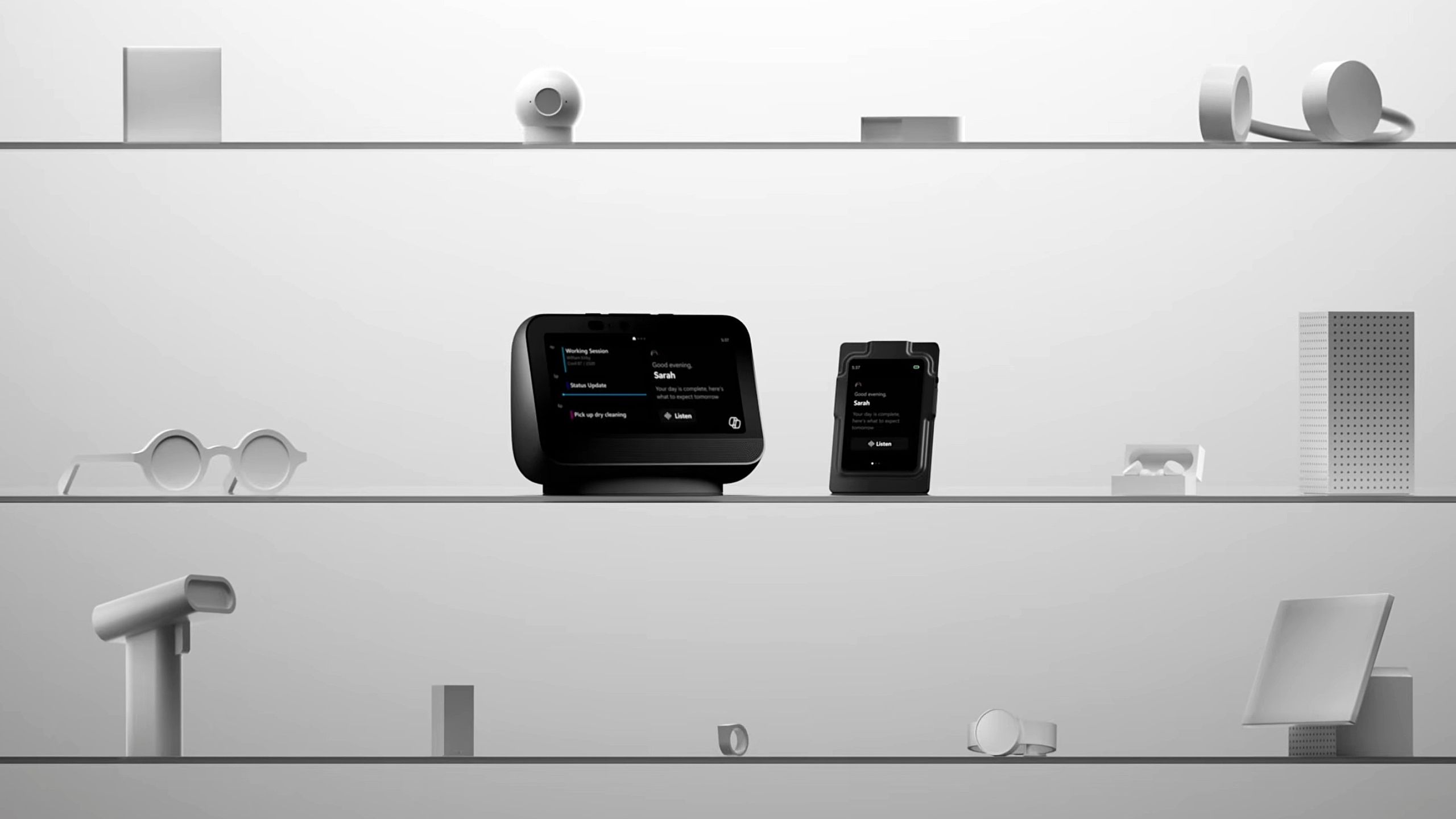
Microsoft outlines its vision for “the next computer” with Project Solara, an agentic platform that exists liminally in your pocket and on your desk
Microsoft unveiled Project Solara at Build 2026, its vision for the next generation of computing in the artificial intelligence era. The platform represents a fundamental shift in how computing devices interact, existing fluidly between pocket-sized devices and desktop hardware while maintaining constant access to cloud-based services.
Project Solara is designed around agentic capabilities, allowing it to proactively assist users throughout their workflows. Rather than requiring explicit user input, the platform aims to anticipate needs and provide support seamlessly across devices. This cross-device functionality enables users to start a task on their phone and continue on their desk, with the platform maintaining context and capability throughout.
Notably, Microsoft has chosen to build Project Solara on AOSP (Android Open Source Project) rather than Windows, departing from its traditional operating system foundation. The company is developing a lightweight, secure OS called Microsoft Device Eco as the core of this platform, emphasizing efficiency and security as key design principles.
This announcement reflects Microsoft’s strategic effort to position itself ahead of the next major computing paradigm shift. Following the company’s struggles with Windows Phone, the company is eager not to be caught off-guard by emerging computing trends. Project Solara represents Microsoft’s bet that the future of computing lies in AI-powered, cross-device platforms that blur the boundaries between traditional device categories.