Microsoft uses Build 2026 to push developers toward fully native Windows apps, not web wrappers, with new tools and a clearer roadmap
Microsoft used its Build 2026 conference to reinforce its commitment to native Windows applications, actively discouraging developers from relying on web wrappers and Chromium-based solutions. The push reflects Microsoft’s broader vision for improving Windows 11’s overall performance and user experience through fully native code.
Central to this initiative is the Windows K2 project, which involves rebuilding core Windows components—including the Start menu—as native applications. Rather than limiting this effort to internal improvements, Microsoft is encouraging third-party developers to adopt the same philosophy by creating native Windows applications.
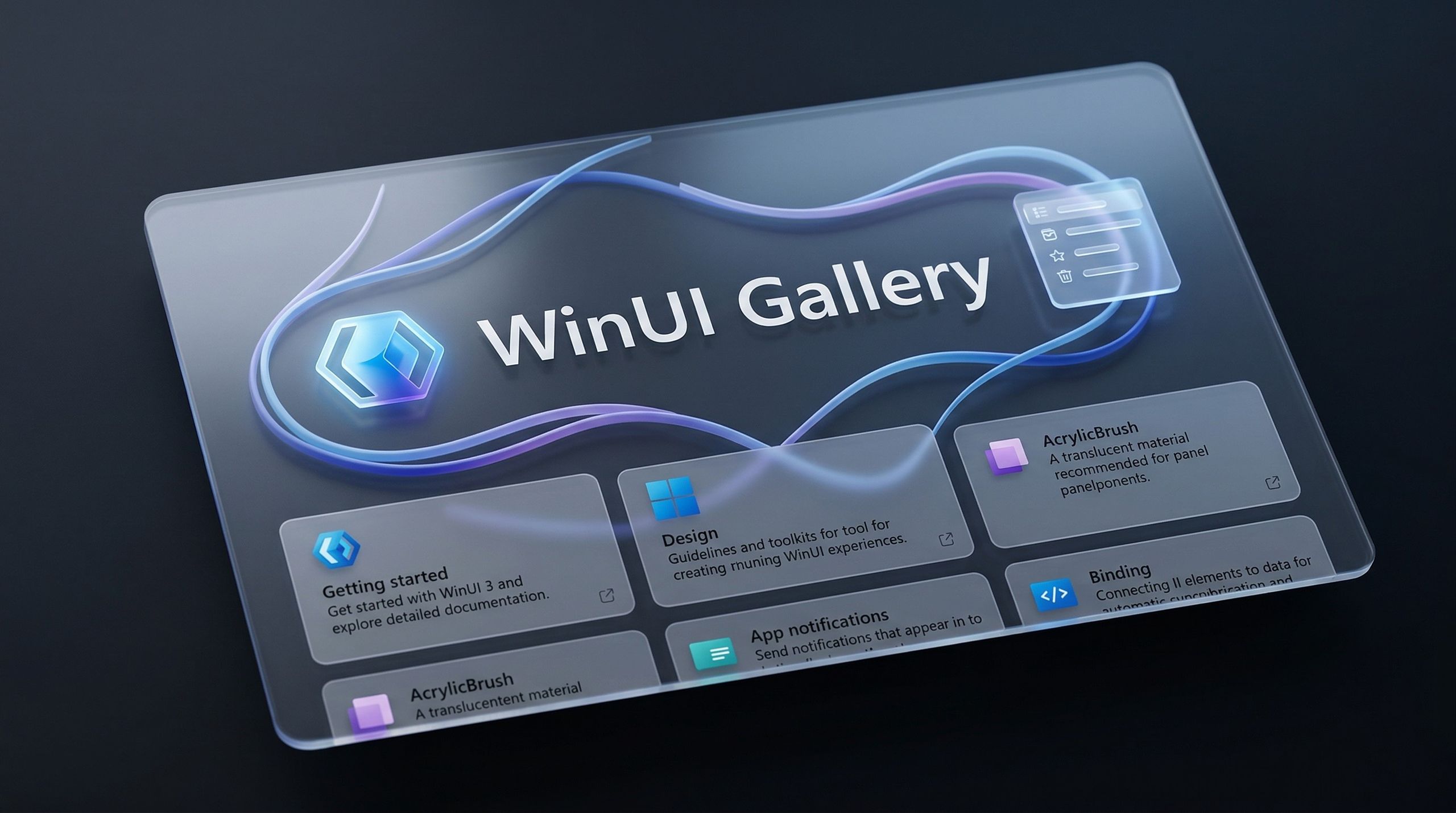
The company highlighted WinUI 3 as the primary framework for developing modern native Windows applications, positioning it as the foundation for a new generation of Windows software. Microsoft emphasized that native applications deliver superior performance characteristics and provide users with a smoother, more responsive computing experience compared to web-based alternatives.
To support developers in this transition, Microsoft announced new tools and provided a clearer development roadmap at Build 2026. These resources are designed to make native Windows app development more accessible and streamlined, reducing barriers to adoption. The initiative suggests Microsoft recognizes that improving Windows 11’s ecosystem requires broader developer participation beyond its own efforts.