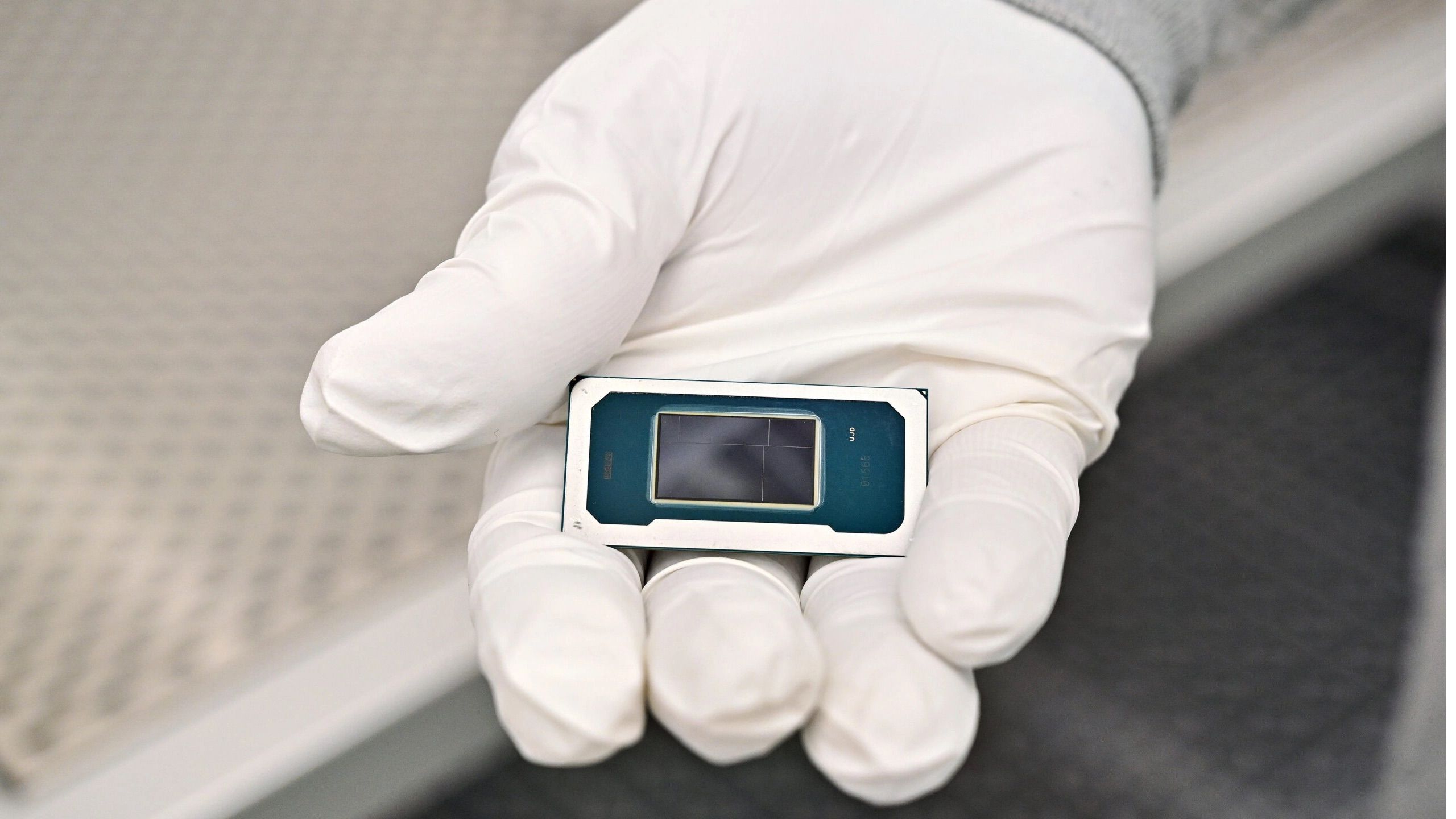
New report claims Intel is ‘struggling’ to supply laptop CPUs based on its latest 18A node after speaking to Computex sources
According to a report from technology journalist Tim Culpan based on interviews with industry contacts at Computex 2026, Intel is facing supply challenges with laptop CPUs manufactured using its latest 18A process node. The affected chips include Panther Lake processors and the budget-focused Wild Cat Lake line, with Panther Lake also serving as the foundation for Intel’s new Arc G3 handheld gaming device.
The supply difficulties appear to stem from multiple contributing factors rather than inherent flaws with the 18A node technology itself. Culpan’s sources include representatives from three major industry partners, though the specific nature of the supply chain bottlenecks remains unclear from the initial report. This suggests that while Intel’s advanced manufacturing process may be functional, external pressures and logistical constraints are hindering delivery to laptop manufacturers.
The situation underscores the complexity of advanced semiconductor production, where even successful node development doesn’t guarantee smooth market supply. Supply constraints at this stage could impact Intel’s competitive position in the laptop market, particularly in the budget and mid-range segments where Wild Cat Lake is positioned. As Intel continues efforts to regain market share from AMD and other competitors, resolving these supply issues will be critical to the company’s ability to deliver on its product roadmap and meet customer demand.