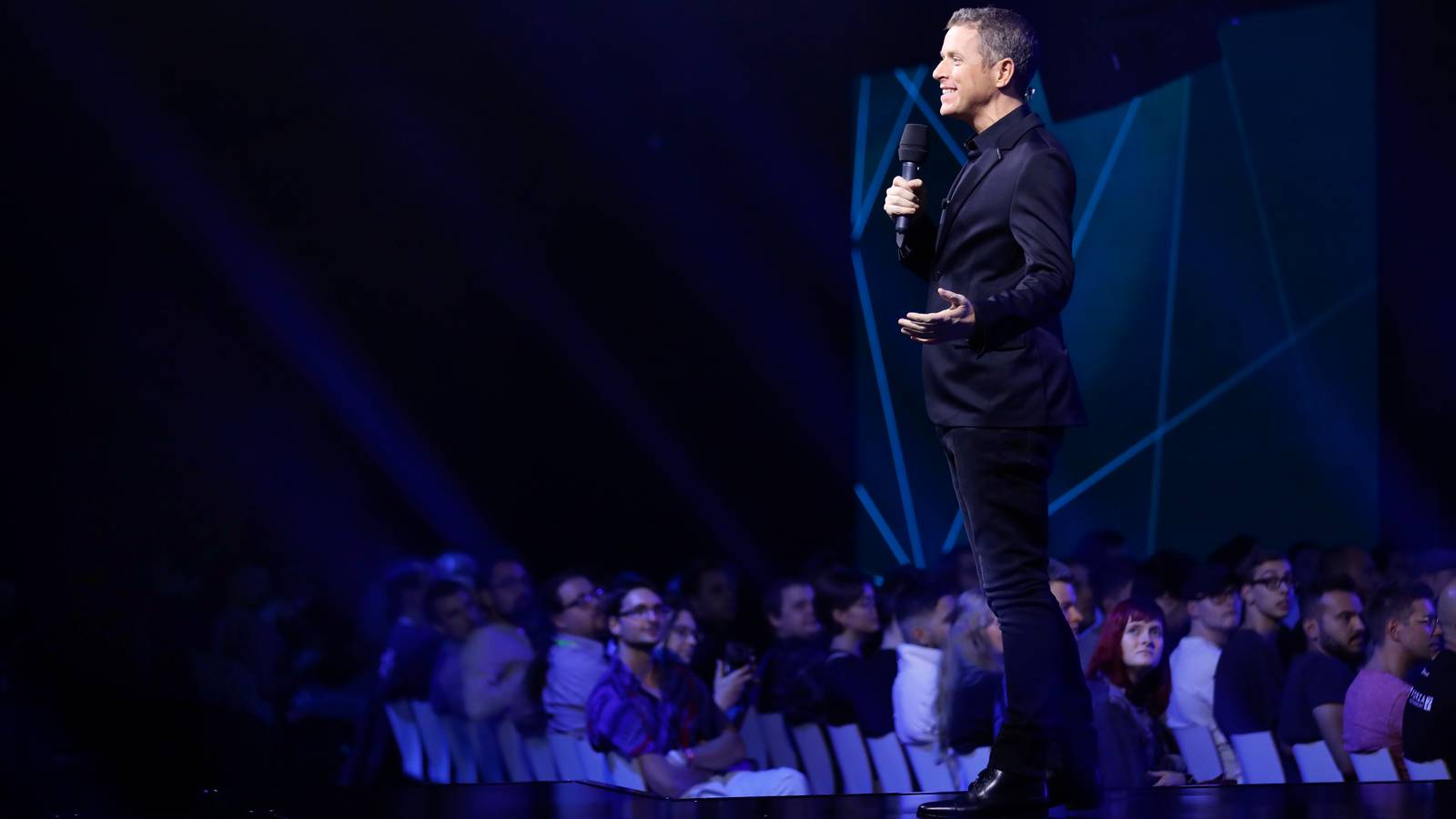
Summer Game Fest tried to replace E3, but The Game Awards did it better
The gaming industry’s premier showcase landscape underwent significant transformation in the early 2020s. E3, the video game industry’s largest annual trade show, faced declining relevance as organizers attempted to rebrand the event toward a more influencer-focused, public-facing festival format. This direction concerned major industry figures and exhibitors; Geoff Keighley, a longtime E3 host and creator of The Game Awards, publicly distanced himself from the show in early 2020, citing concerns about the show’s new direction. His reservations were shared by major publishers like Sony, signaling broader industry dissatisfaction with E3’s evolution.
The COVID-19 pandemic accelerated E3’s decline, forcing cancellations in 2020 and subsequently leading to the event’s discontinuation. In response to E3’s collapse, Keighley launched Summer Game Fest in 2021 as an alternative industry showcase, attempting to fill the void left by the defunct trade show. However, The Game Awards—Keighley’s flagship annual awards ceremony—ultimately proved more successful at capturing the industry’s attention and serving as a central gathering point for major announcements and exhibitions.
The shift reflects broader changes in how the gaming industry conducts business and communicates with audiences. Rather than a single dominant trade show, the industry now relies on multiple events including The Game Awards, Summer Game Fest, and platform-specific showcases. This decentralization represents a fundamental restructuring of gaming’s event ecosystem, marking the end of E3’s decades-long dominance while establishing new forums for industry announcements and public engagement.