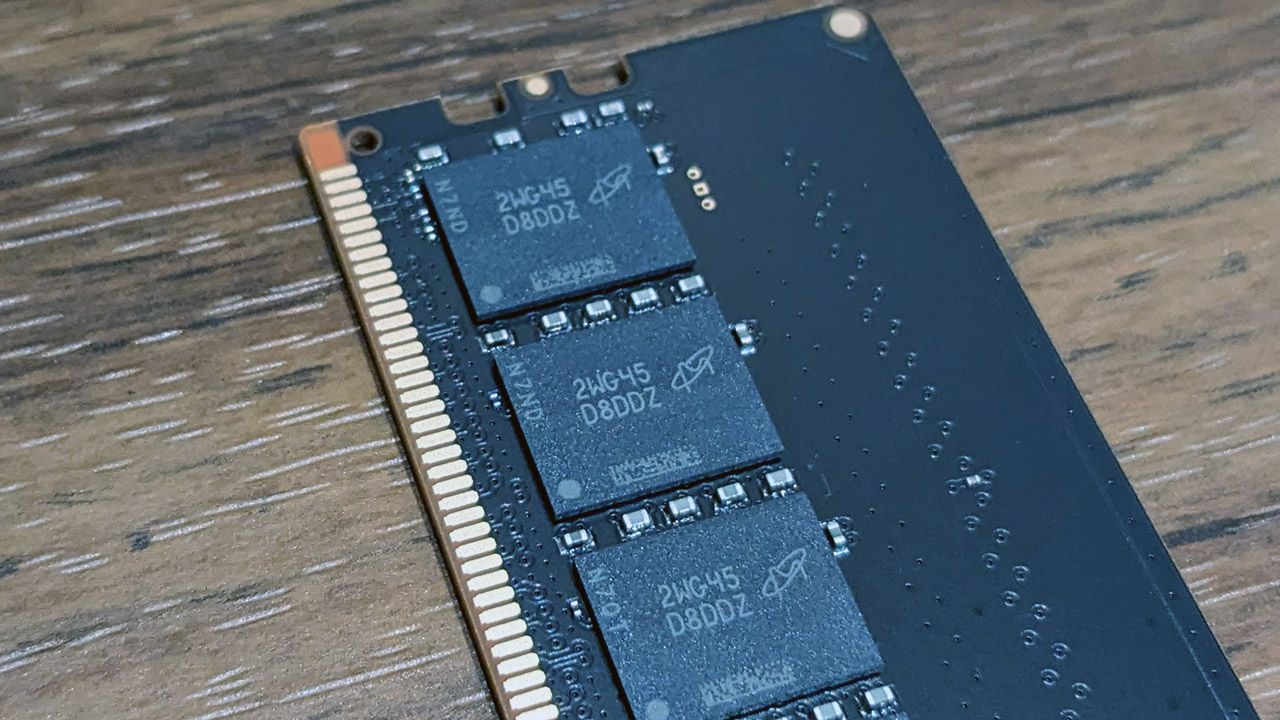
‘The thing that gives me hope is there is an enormous amount of capacity being built’ - AMD’s head of Ryzen and Radeon is pinning hopes of an end to the memory crisis on a supply ramp into 2028
The PC memory market faces a severe shortage driving DDR5 prices to record highs, with consumer upgrades becoming increasingly expensive. The crisis has been exacerbated by explosive demand from the artificial intelligence sector, which has absorbed a significant portion of the market’s available supply.
David McAfee, AMD’s global vice president and general manager, expressed cautious optimism that relief may arrive within the next two years as memory manufacturers ramp up production capacity. He pointed to substantial investments in new manufacturing capability as grounds for hope, though he cautioned that sustained relief depends on whether demand stabilizes rather than continuing to accelerate.
Industry outlook remains divided. While some manufacturers echo McAfee’s optimism about production increases solving the shortage, others predict memory prices could worsen before stabilizing. This disagreement reflects uncertainty around the durability of current AI-driven demand levels.
The realistic timeline for meaningful relief extends to 2028, suggesting consumers face extended periods of elevated pricing. Those requiring memory upgrades in the near term should prepare for high costs, while those who can wait may benefit from the anticipated production ramp as new manufacturing facilities come online.