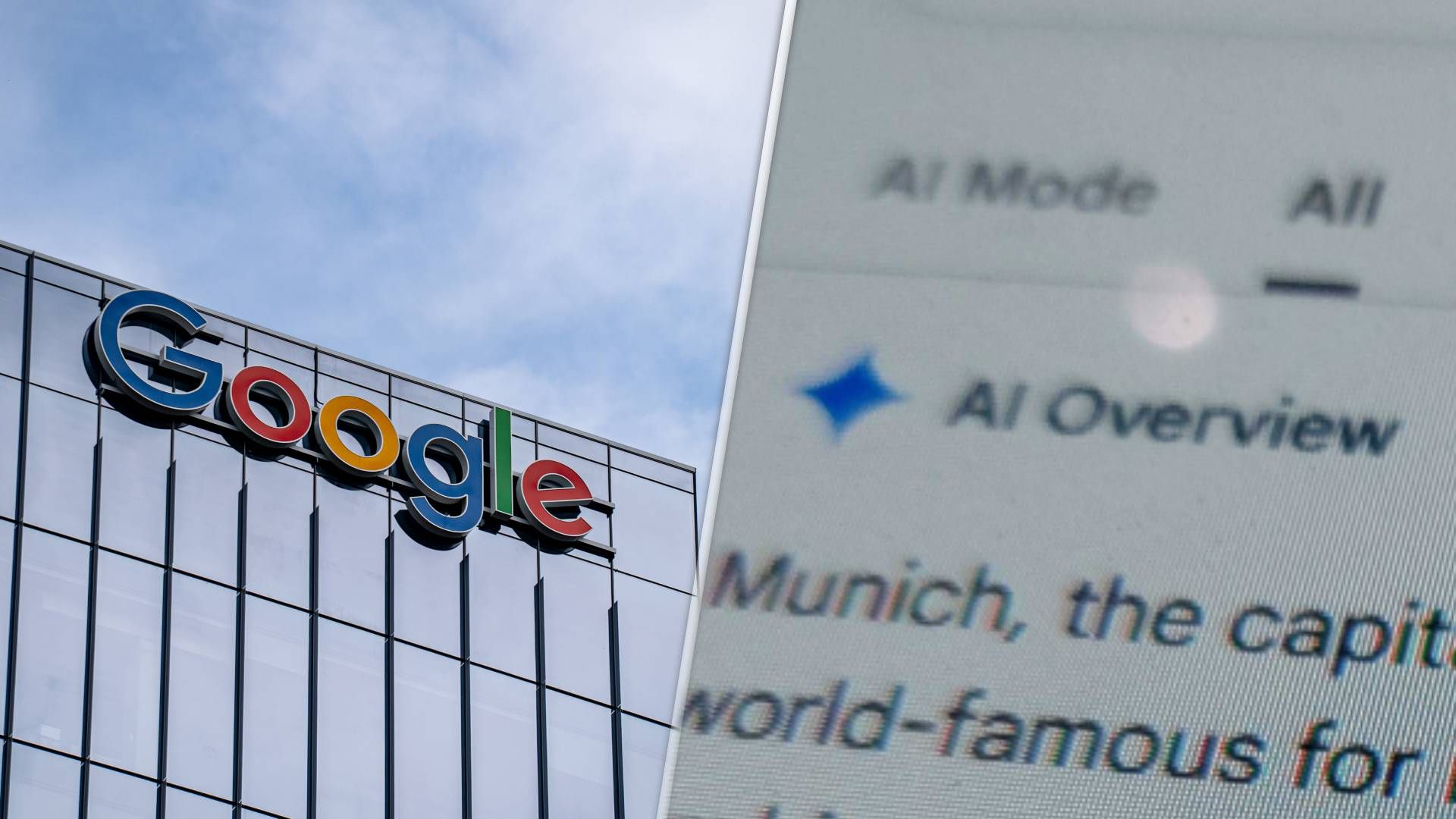
Google claims most users know ‘information generated with AI should not be blindly trusted,’ but a court ruled it’s still liable for false claims made in AI Overview
A German court has ruled that Google is legally liable for false information generated in its AI Overview feature within Google Search. The case centers on two Munich-based publishers who were wrongly accused of unethical business practices through AI-generated claims that misattributed another company’s questionable conduct to them. The AI Overview incorrectly created a false connection between the plaintiffs and a separate business based on information scraped from online sources.
When the publishers initially sent a cease-and-desist letter to Google, the company did not adequately resolve the issue, prompting them to pursue legal action. This ruling comes as Google has defended its AI systems by arguing that most users understand “information generated with AI should not be blindly trusted.” However, the court’s decision suggests that Google cannot simply disclaim responsibility for the accuracy of AI-generated summaries displayed prominently in its search results.
This case may set an important precedent for AI liability, suggesting that companies deploying AI features that present information to users may face legal consequences for false or misleading statements, regardless of disclaimers about AI accuracy. The ruling underscores growing concerns about how AI systems can propagate misinformation at scale, particularly when integrated into widely-used platforms like Google Search.