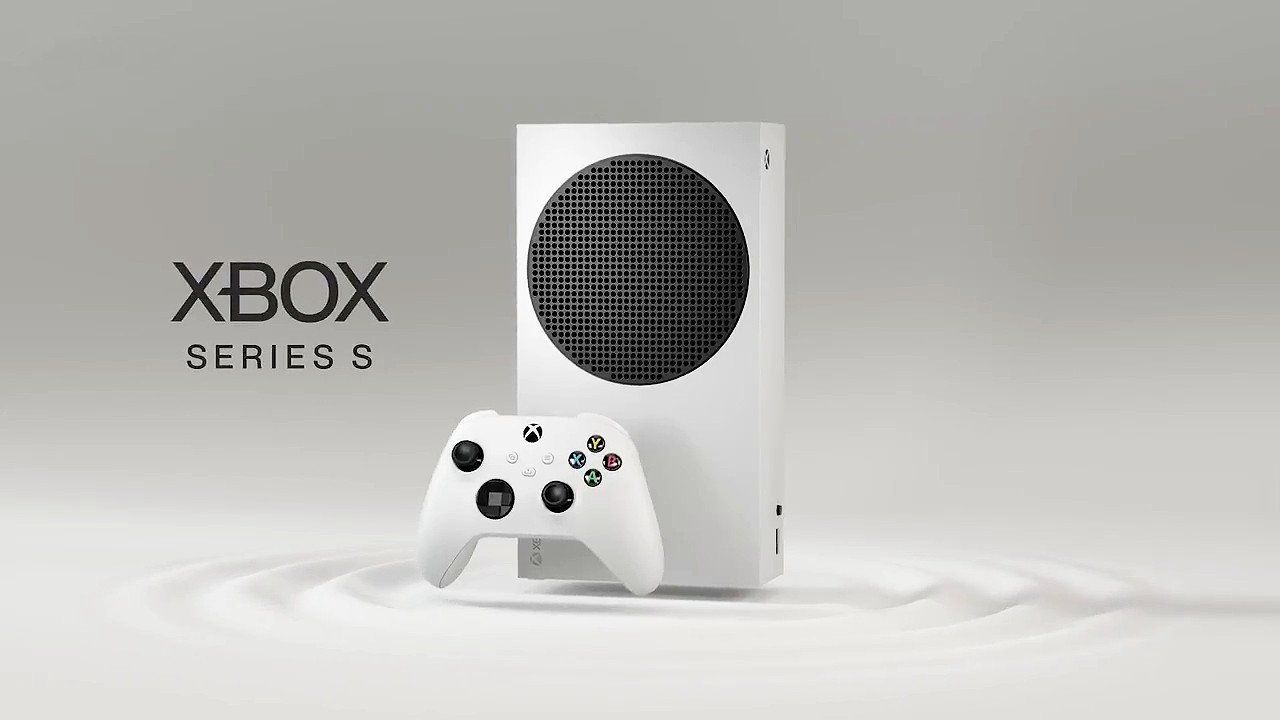
“It helped”: Years of Xbox Series S game optimization probably made life much easier for Nintendo Switch 2 developers
The article explores how Xbox Series S optimization practices may have inadvertently prepared game developers for working on Nintendo Switch 2. According to Digital Foundry—a platform renowned for authoritative technical gaming analysis covering performance metrics, hardware comparisons, and gaming technology—the years spent optimizing games for Xbox Series S could provide valuable experience for Switch 2 developers.
The core premise addresses a question many industry observers have considered: whether the constraints of developing for Xbox Series S, which required significant optimization work to run modern AAA titles, created a transferable skillset applicable to Nintendo Switch 2. Both consoles present similar challenges—they require developers to scale down graphically intensive games to run on less powerful hardware compared to their flagship counterparts (Xbox Series X and next-generation competition).
This optimization expertise likely encompasses various technical approaches: resolution scaling, texture quality reduction, frame rate management, and architectural optimization. Developers who spent years mastering these techniques for Series S would have direct applicable knowledge when tackling Switch 2’s specifications.
The discussion highlights an interesting secondary effect of platform development: technical lessons learned on one platform can accelerate development processes on another. Rather than treating each hardware iteration as a completely novel challenge, experienced developers can draw upon established optimization methodologies. This perspective suggests Xbox Series S may have served an unintended purpose in the broader ecosystem—creating a generation of developers with practical optimization expertise that benefits the industry as new platforms launch.