Visual novel Coffee Talk Tokyo serves up an image of ‘Cool Japan,’ but not much more
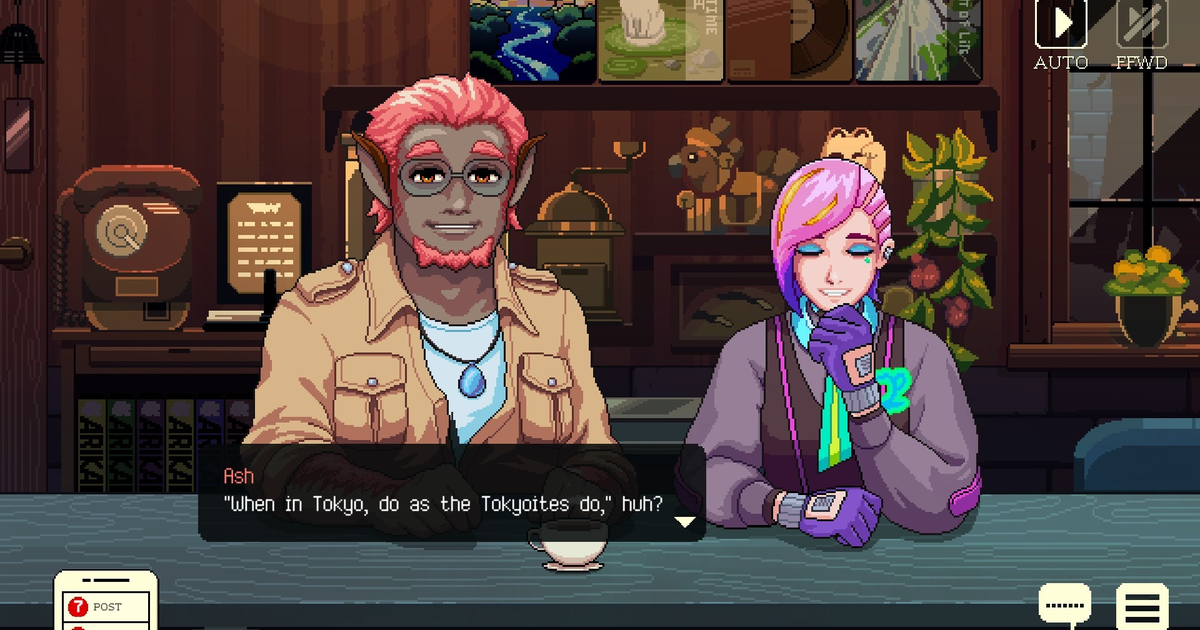
Coffee Talk Tokyo, the sequel to the acclaimed slice-of-life visual novel, draws criticism for failing to meaningfully engage with its Japanese setting despite making it central to the game’s title. The original Coffee Talk built its strength through crafting a richly detailed world in Seattle, where players assumed the role of a night-shift barista serving magical residents—elves, vampires, succubi, and others. Rather than serving as mere backdrop, Seattle’s culture and societal attitudes formed recurring thematic threads that connected multiple character storylines, particularly around attitudes toward interspecies relationships.
Coffee Talk Tokyo continues the visual novel format and barista-focused gameplay, but reviewers note the sequel fails to replicate what made its predecessor resonate. Despite taking Tokyo’s name, the game reportedly shows little interest in actually establishing itself within that setting. Rather than using Tokyo as a foundation for thematic storytelling and character development—as Seattle was leveraged in the original—the sequel appears to treat its location as incidental. This disconnect between the game’s title and its apparent disengagement from Tokyo suggests a missed opportunity to deliver the kind of culturally grounded narrative that distinguished the first Coffee Talk.