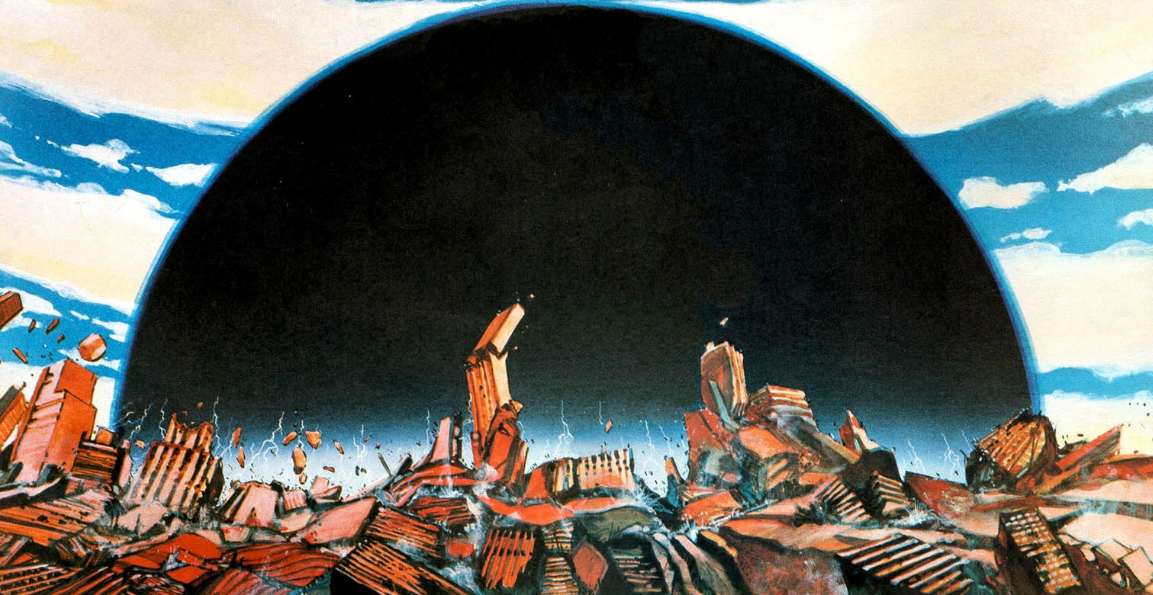
36 years later, Akira’s manga still has one of cyberpunk’s best endings
Katsuhiro Otomo’s Akira manga, serialized beginning in 1982, stands as a seminal work in cyberpunk fiction distinguished by its hopeful ending. Like other acclaimed cyberpunk narratives such as Psycho-Pass and Ghost in the Shell: Stand Alone Complex, the manga insists on human resilience and the possibility of justice in dystopian settings, ultimately envisioning a future that doesn’t exploit vulnerable populations.
The 1988 anime film adaptation, directed by Otomo himself while the manga was still serializing, became a watershed moment for the genre. Released six years after the manga’s debut, the film achieved unprecedented global influence, inspiring a cult following that elevated cyberpunk to new cultural prominence. Its legacy reshaped how cyberpunk aesthetics and storytelling would be understood and adapted internationally.
36 years after the anime’s release, Akira remains influential not as a historical artifact but as an exemplary model for cyberpunk fiction. The manga’s conclusion—balancing despair with optimism—represents one of the genre’s finest endings, offering a counterpoint to nihilistic interpretations by demonstrating that meaningful change and a just future are possible.