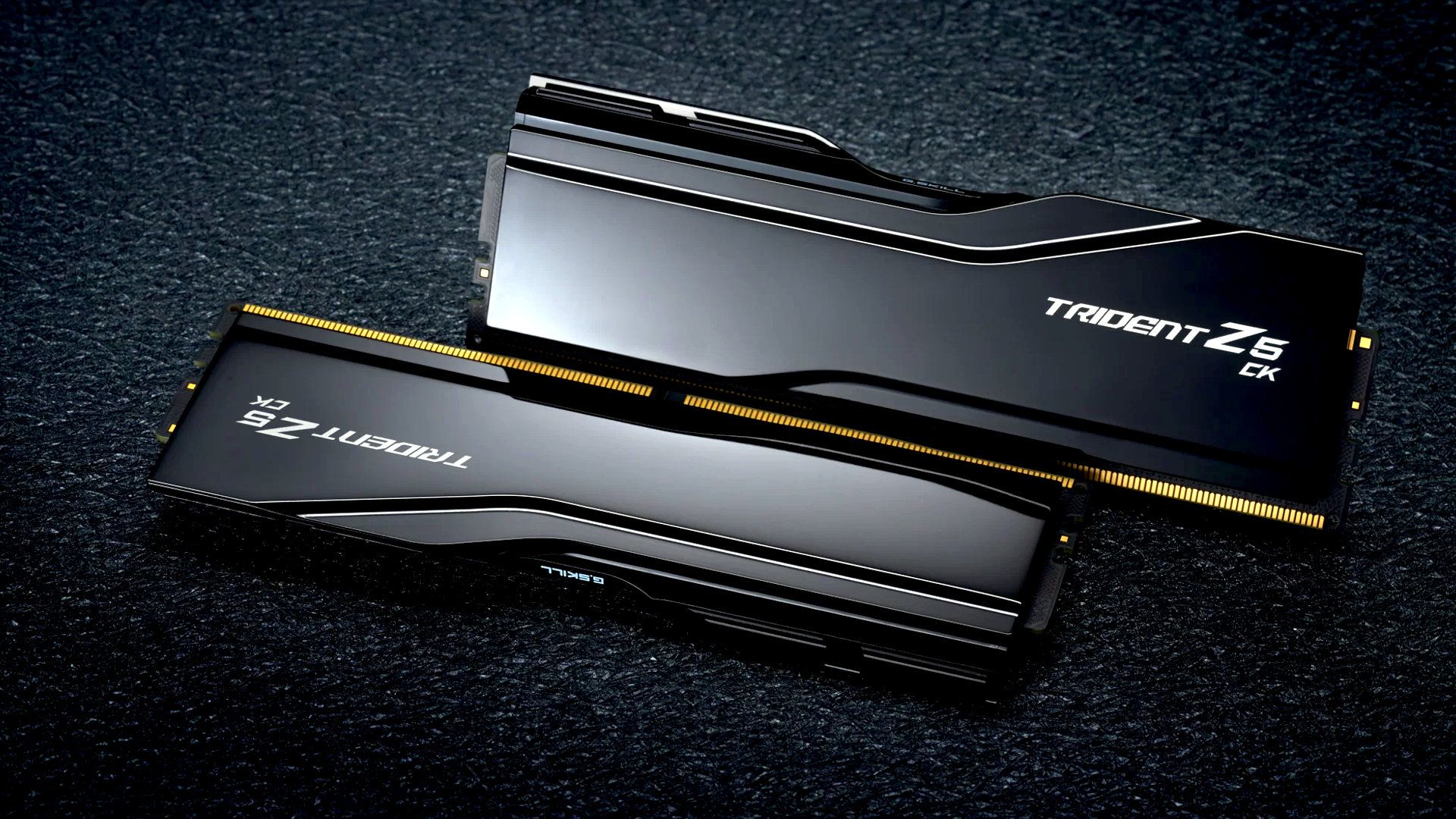
With the RAMpocalypse set to rage for years, memory kit makers are responding in one of two ways: Do nothing or go hell-for-leather
Memory kit manufacturers are responding to an ongoing DRAM shortage and soaring prices—dubbed the “RAMpocalypse”—in one of two starkly opposite ways, neither of which adequately addresses the industry’s needs. According to a forecast presented by Lenovo at a recent high-performance computing event, the RAM crisis is expected to persist for several years, creating sustained pressure on PC builders and consumers alike.
The shortage has driven memory kit prices to painful levels, significantly impacting system affordability across the market. However, DRAM manufacturers have largely adopted a binary approach to the crisis, as reported by Computerbase: either making minimal operational changes or pursuing extreme solutions, with little middle ground. This polarization presents problems for the broader PC industry’s recovery.
Manufacturers taking a passive stance fail to address market pressures or adapt to new constraints, while those pursuing extreme responses risk overcommitting resources or destabilizing the market further. The industry would benefit from measured, coordinated responses that balance supply chain realities with consumer demand and pricing stability—a middle path that appears largely absent.
The situation underscores how supply chain disruptions in critical hardware components can ripple across the entire PC ecosystem, affecting gaming PCs, workstations, and consumer builds. Without thoughtful responses from memory manufacturers that go beyond inaction or extremes, the gap between component costs and consumer affordability will likely continue widening, prolonging the RAMpocalypse’s impact on the market.