Memory manufacturers sued in class action suit alleging price and supply fixing
A class-action lawsuit filed on June 25 in the United States District Court for the Northern District of California has accused the three largest DRAM manufacturers—Samsung, SK Hynix, and Micron—of engaging in coordinated price-fixing and supply manipulation. The lawsuit, represented by antitrust specialist Bathaee Dunne LLP, alleges that the companies formed a de facto monopoly through “concerted anticompetitive behavior.”
The suit centers on what industry observers have dubbed the “RAMpocalypse”—an unprecedented surge in memory component prices that has rippled through the gaming and computing industries. While the memory crisis has been widely attributed to massive capital investments in artificial intelligence data centers, the lawsuit claims the three manufacturers deliberately exacerbated the shortage through strategic manipulation.
Specifically, the complaint alleges that Samsung, SK Hynix, and Micron simultaneously coordinated their retreat from consumer-level memory production, particularly DDR3 and DDR4 RAM. Rather than maintain consumer supply, the companies allegedly pivoted their manufacturing capacity toward high-bandwidth memory (HBM) products designed for AI systems—where profit margins are substantially higher.
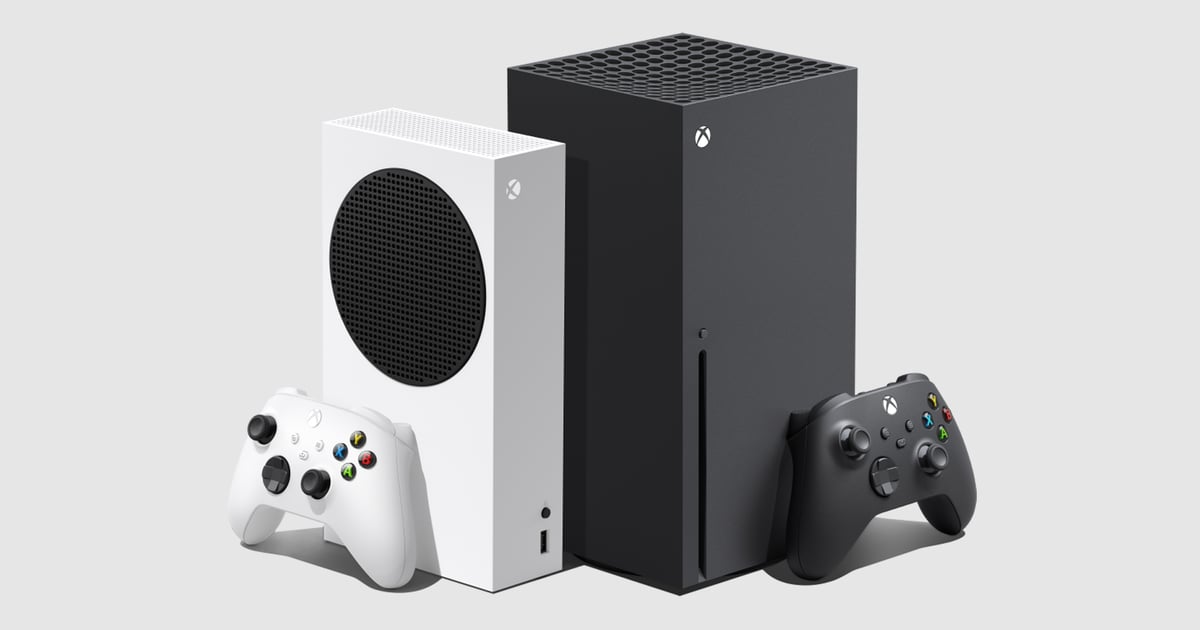
The impact of these alleged practices has been felt across the consumer electronics sector. Major gaming companies including Valve, Xbox manufacturer Microsoft, and Nintendo all raised hardware prices during the shortage, citing memory component costs as a primary or significant factor. This suggests the alleged price-fixing may have cascading effects throughout the gaming industry’s supply chain.
The lawsuit represents a significant antitrust challenge to the memory manufacturing sector. If successful, it could set important precedents regarding anticompetitive behavior in semiconductor manufacturing and corporate prioritization of high-margin AI components over consumer-level products.