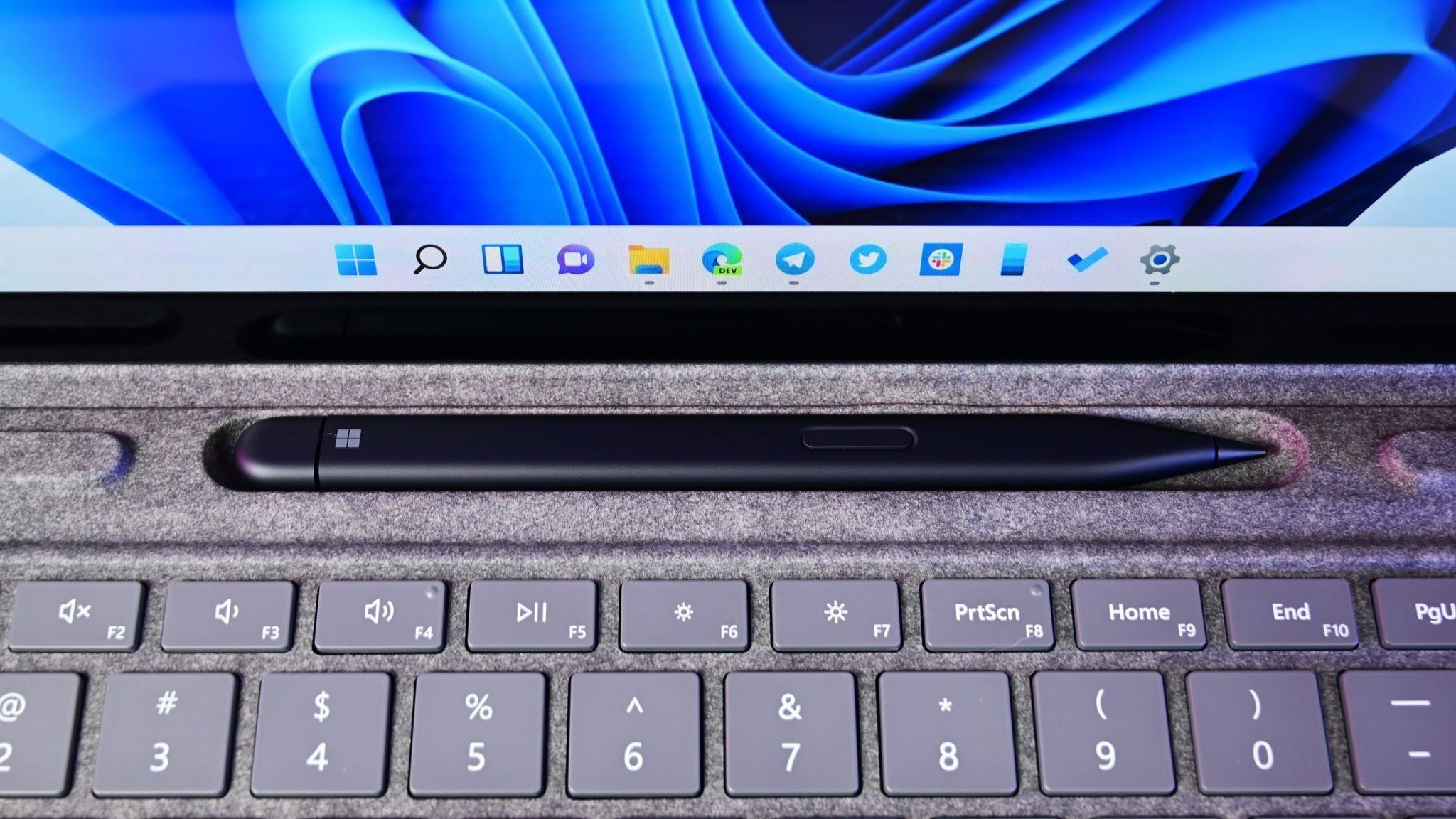
Progress! Microsoft is finally giving Windows 11 users the taskbar they actually asked for
Microsoft is rolling out new taskbar customization features for Windows 11, addressing years of user feedback about the operating system’s limited taskbar capabilities. Windows 11 introduced a redesigned taskbar when the OS launched, but it notably excluded features that Windows 10 users had become accustomed to, such as the ability to move the taskbar to different screen positions.
The latest update introduces independent taskbar resizing, allowing users to adjust the taskbar’s overall size separately from icon scaling. This gives users finer control over their interface compared to previous options that only allowed scaling down individual icons. These features are currently available for Windows Insiders to test in preview builds.
Simultaneously, Microsoft has confirmed active development of Windows 11 version 26H2, the next major release on the company’s roadmap. In late June 2026, preview builds in the Experimental channel transitioned from version 25H2 to 26H2, marking the formal shift to the next development cycle. Version 26H2 includes the taskbar improvements alongside other refinements across the system.
While the taskbar updates may seem incremental, they represent Microsoft’s response to persistent user complaints about Windows 11’s functionality compared to its predecessor. The company continues to narrow the gap between Windows 11 and Windows 10’s feature set, though some requested options—like the ability to reposition the taskbar to the top or sides of the screen—appear not yet included in these current updates. These improvements become available to general users as they move through the development and release pipeline.