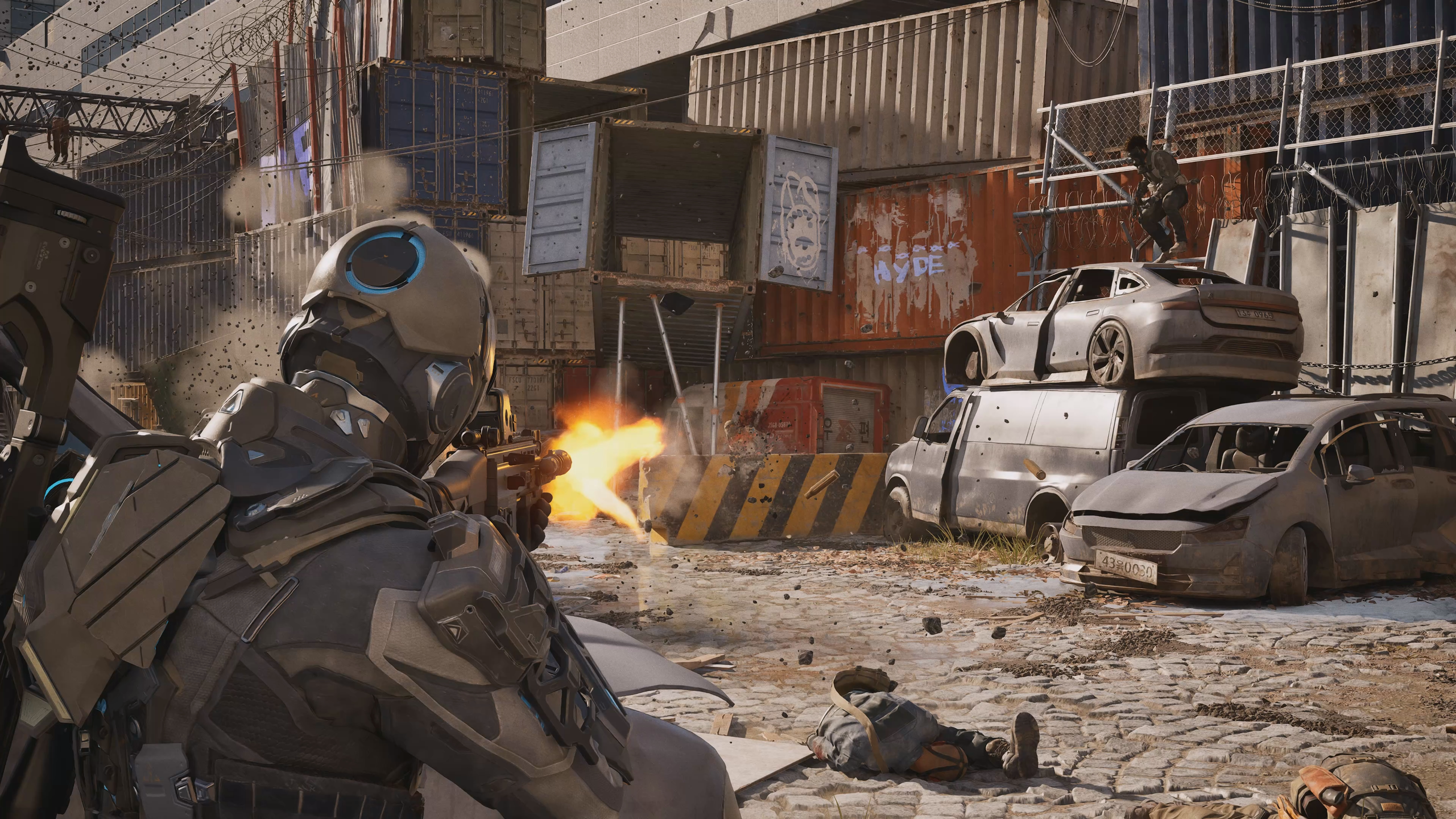
With 32 GB as a minimum and 64 GB as the recommended amount, Cinder City’s RAM requirements are all kinds of wrong in today’s AI-mangled memory market
NC Corporation’s upcoming open-world cinematic third-person shooter, Cinder City, developed by Big Fire Games, has set unusually high system requirements for a PC game. The title demands a minimum of 32 GB of RAM and recommends 64 GB—far exceeding what most modern AAA titles require.
The memory specification is particularly notable given that the recommended GPU requirement is only an RTX 4060, a mid-range graphics card. This significant disparity between memory and GPU demands has surprised the gaming community, suggesting either substantial optimization challenges or an unconventional design approach to memory allocation.
The timing poses a practical barrier for upgrading players. RAM prices have surged considerably in the current market, with 64 GB of memory costing up to $1,000. This makes meeting the recommended specifications a substantial investment beyond typical GPU or CPU upgrades, putting Cinder City in a unique position where memory—rather than graphics processing power—represents the primary hardware hurdle.
The requirement reflects the ongoing trend of blockbuster PC games pushing graphical boundaries and hardware demands upward. However, Cinder City appears to represent an extreme outlier in prioritizing memory capacity, raising questions about optimization decisions and whether this represents a shift in how developers approach modern game design.