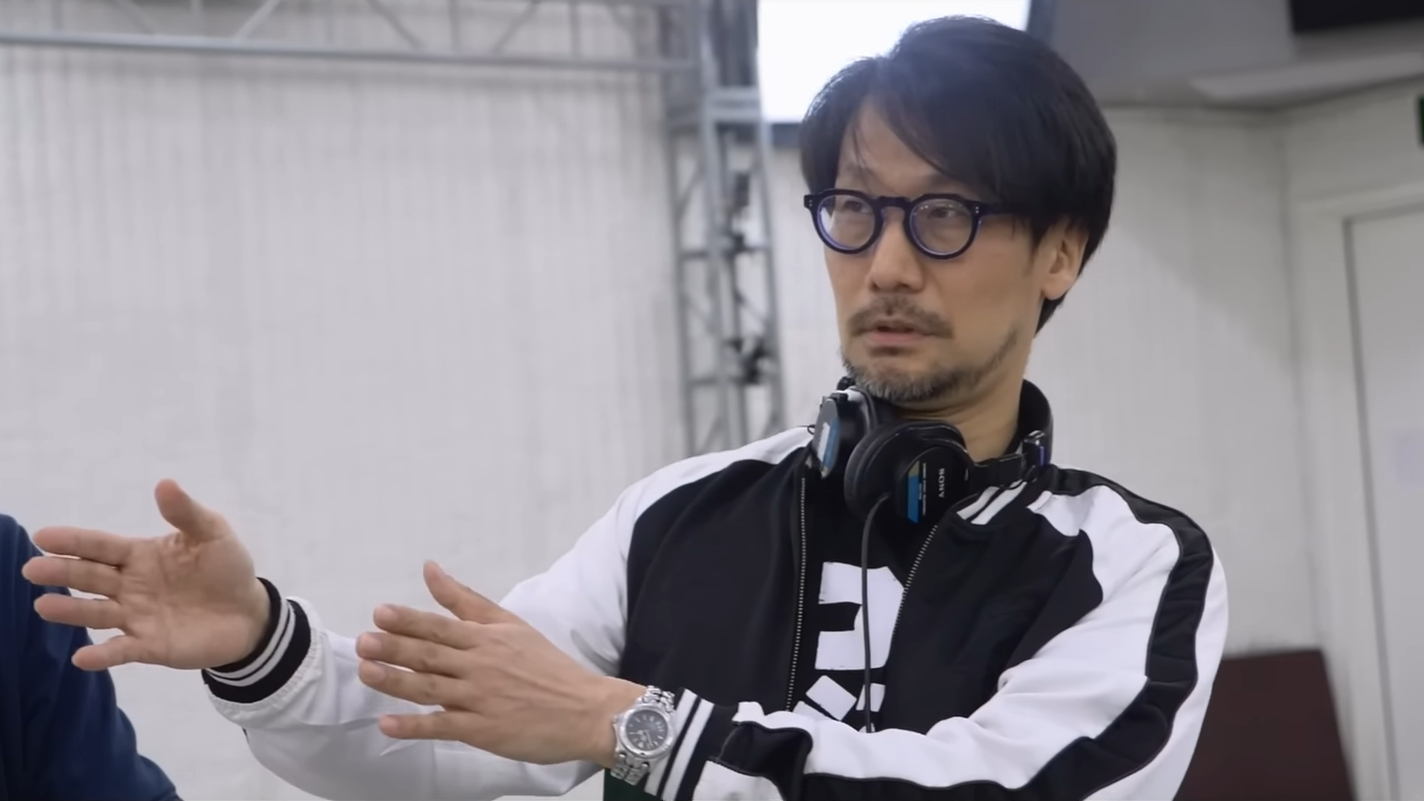
Even Hideo Kojima is afraid that ‘digital data will no longer be owned by individuals’ and that access to art that we love ‘may suddenly be cut off’
Sony’s recent announcement that PlayStation will transition to a fully digital platform by 2028 has sparked significant concerns about digital ownership and game preservation. Hideo Kojima, the renowned game developer, has voiced fears about the implications of this industry shift toward an all-digital future.
In his comments, Kojima highlighted concerns that “digital data will no longer be owned by individuals on their own initiative,” warning that access to entertainment and art we value “may suddenly be cut off” due to major world changes, economic shifts, government decisions, or evolving trends. His statement reflects growing anxieties within the gaming community about what total digitalization means for consumer rights and long-term access to purchased content.
The transition to fully digital platforms removes the possibility of physical media ownership and resale, concentrating control over access with platform holders. This creates significant risks for game preservation, as numerous games have already become unplayable due to server shutdowns, licensing disputes, or delisting. Once a publisher removes a game from digital storefronts or shuts down services, players with only digital licenses permanently lose access, unlike physical media which can be preserved indefinitely.
Kojima’s intervention highlights how even prominent industry figures recognize the precarious nature of digital ownership. His concern about becoming a “have-not” without ability to own or access entertainment reflects broader anxieties about corporate control over content distribution and consumer agency in the digital age. The shift toward fully digital platforms promises convenience but raises critical questions about consumer protection and the long-term preservation of interactive media.