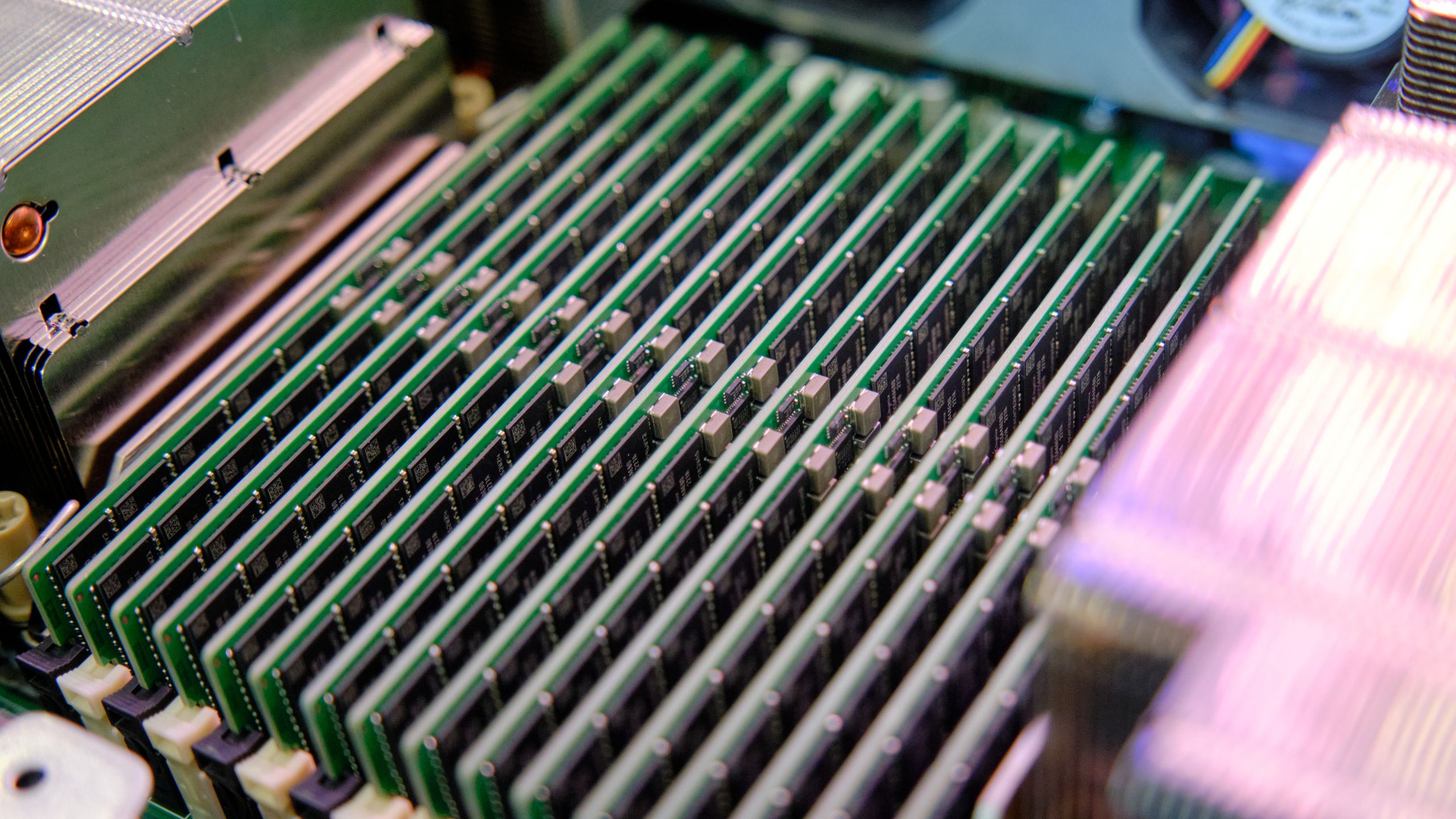
Meta’s solution to the global memory shortage is to use DDR4 in a DDR5 server, with a custom chip making the impossible possible
Meta has engineered an innovative solution to combat global memory shortages by mixing DDR4 and DDR5 memory modules in its server infrastructure. Facing insufficient DDR5 availability despite significant investment in new servers designed exclusively for DDR5, Meta developed a custom chip that bridges the architectural gap between the two memory standards.
The custom silicon acts as a translator, converting DDR5 protocol communications from modern CPUs into DDR4 language that older memory modules understand. This enables Meta to repurpose DDR4 sticks from legacy servers alongside new DDR5 infrastructure, effectively expanding total memory capacity without replacing all existing hardware.
The solution is technically remarkable because DDR4 and DDR5 are fundamentally different architectures that shouldn’t work together under normal circumstances. Meta’s custom abstraction layer overcomes this incompatibility through specialized hardware engineering, demonstrating how enterprise-scale infrastructure challenges can be solved through custom silicon when commercial options fall short.
While this hybrid approach has proven viable for Meta’s data center operations, it remains proprietary to the company’s infrastructure and is not yet applicable to consumer gaming PCs or standard computing platforms. The solution highlights how large-scale technology companies are increasingly turning to custom hardware design to solve supply chain and performance bottlenecks.