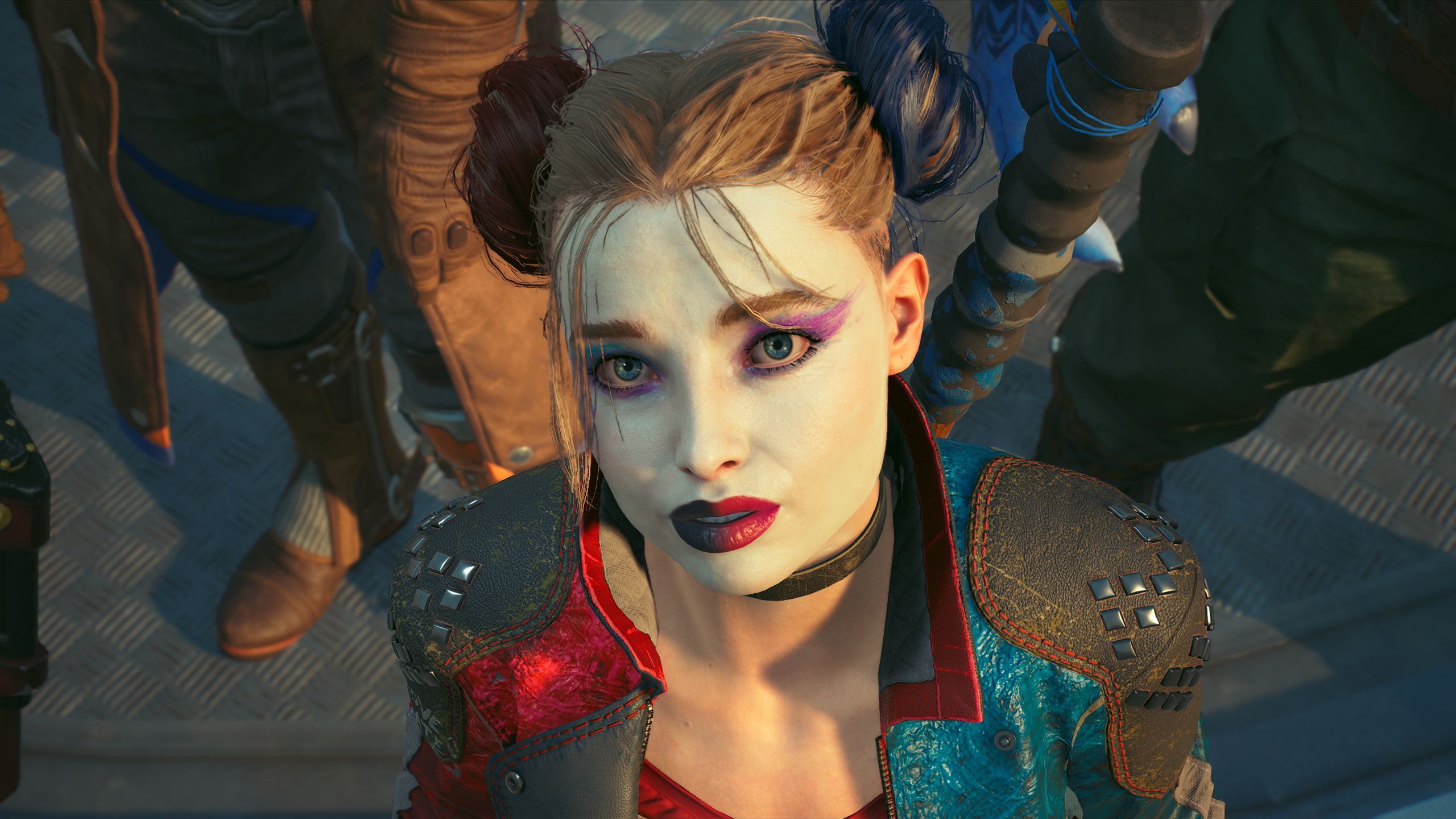
Suicide Squad: Kill the Justice League’s development got so bad that it almost turned its devs away from the industry for good: ‘I could feel myself coming apart at the seams’
Suicide Squad: Kill the Justice League’s development took a severe toll on Rocksteady’s team, according to reports from studio leadership and developers. Director Axel Rydby described the experience as feeling like “I wasn’t making games anymore,” while developers revealed the project nearly drove some of them away from the industry, with one noting they “could feel [themselves] coming apart at the seams.”
The core issue stems from the game’s design as a live-service title prioritized by executives for monetization and replayability over creative vision. The game was conceived from the outset as a means to generate recurring revenue, resulting in design decisions focused on extracting value from players rather than delivering a cohesive experience. This corporate-driven approach fundamentally altered the nature of development work, creating a disconnect between what the team wanted to create and what leadership demanded.
The live-service model’s emphasis on continuous engagement systems and monetization mechanics appears to have been particularly damaging to developer morale and creative satisfaction. The game’s disappointing critical and commercial reception validated concerns about this approach. The situation underscores growing industry tensions between profit-driven corporate strategies and creative vision, as well as the human cost of high-pressure live-service development environments.