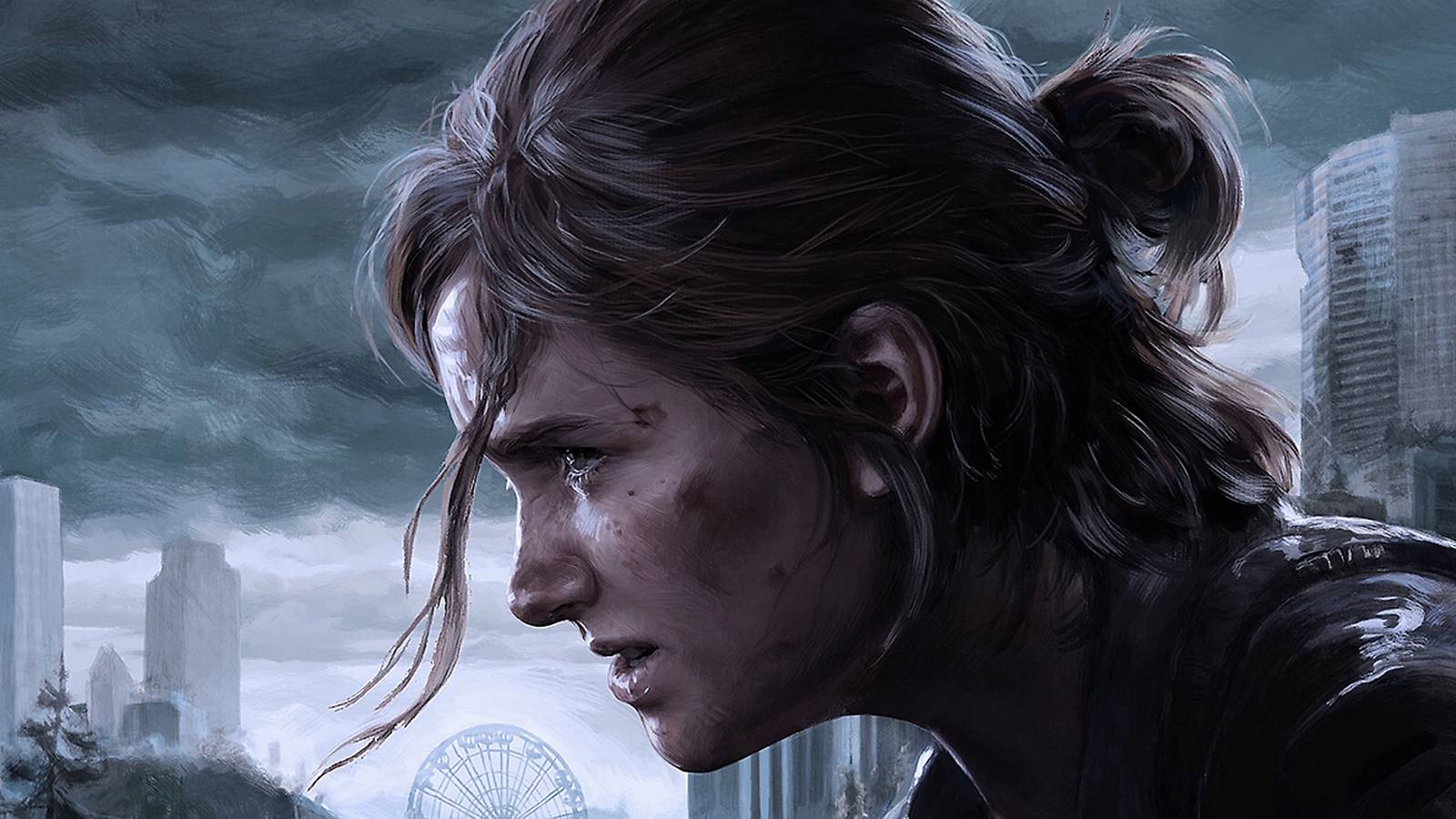
Expedition 33 and the Last of Us 2 have one thing in common most games lack
A critical examination of video game storytelling reveals a pervasive problem: most modern games lack substantive narratives with meaningful conviction. Over the past decade, despite gaming’s aspirations as an artistic medium, few titles have stories worth telling—and fewer still believe in their own importance.
The Last of Us Part 2 stands out as a rare exception. Naughty Dog’s sequel demonstrates a storytelling approach driven by clear artistic vision and thematic consistency. The game tackles revenge and grief with deliberate, unsubtle force, prioritizing emotional weight over narrative nuance. This heavy-handed approach proves effective precisely because the developer committed fully to its vision, weaving thematic elements throughout every aspect of the experience.
The article suggests this represents an ideal model for game narratives: developers who believe deeply in their stories and have the conviction to build them comprehensively into their projects, rather than treating narrative as supplementary to gameplay. While the execution may not prioritize subtlety, the unwavering commitment to a meaningful vision creates something genuinely impactful in a medium often criticized for hollow storytelling.