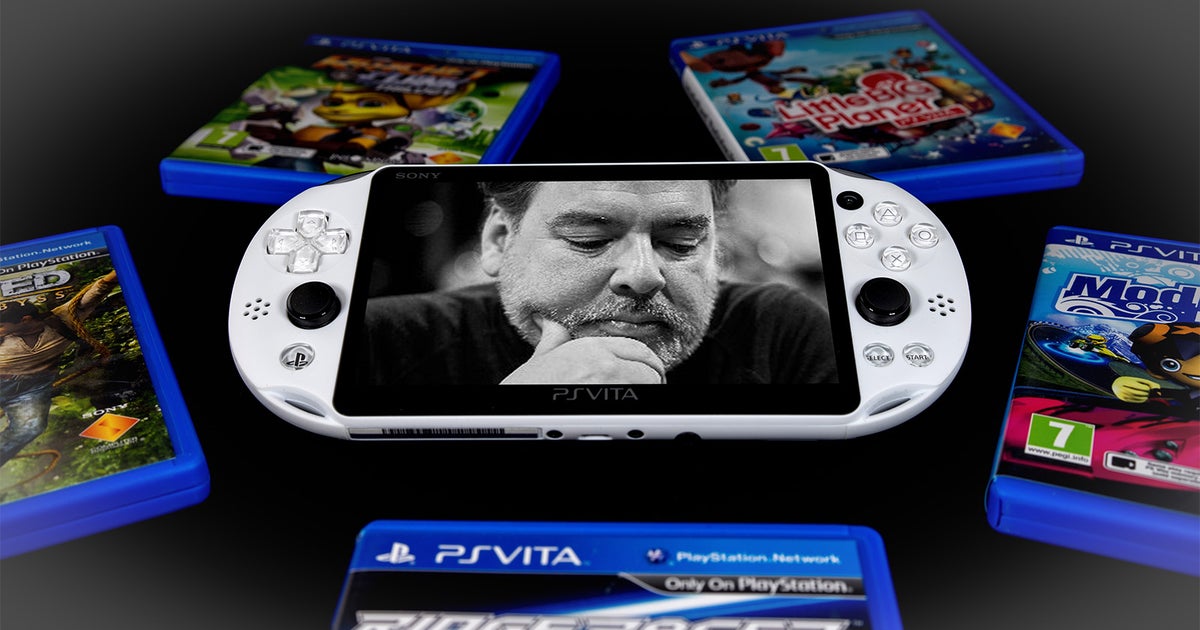
“How much innovation can the end-user handle?” - Shawn Layden explains why he said Sony should have made PlayStation Portable 2 rather than PS Vita
Former PlayStation leader Shawn Layden has elaborated on his criticism of the PlayStation Vita’s design, arguing Sony should have developed a PlayStation Portable 2 instead. Layden explains that the Vita suffered from excessive feature additions—including back-touch controls, OLED displays, and proprietary memory cards—that increased costs without providing meaningful consumer benefit.
Layden’s central argument revolves around measured innovation: the original PSP had already established a successful, proven formula that didn’t require reinvention. Rather than iterating on that foundation, Sony pursued aggressive feature expansion that added complexity and expense. This strategy, he contends, ultimately harmed commercial viability by inflating the price point and deterring mass-market adoption.
The Vita launched in 2011 as Sony’s handheld successor but failed to achieve comparable success despite its technical capabilities. Layden’s retrospective analysis suggests a more conservative, incremental approach—essentially a refined PSP sequel—would have better served both the company and consumers. His commentary reflects broader industry debates about balancing innovation and pragmatism in hardware development, questioning whether every generation must introduce disruptive changes or whether targeted improvements sometimes prove commercially superior.