Steam Refund Policy Questioned After People Refund Highly Reviewed 2-Hour Game
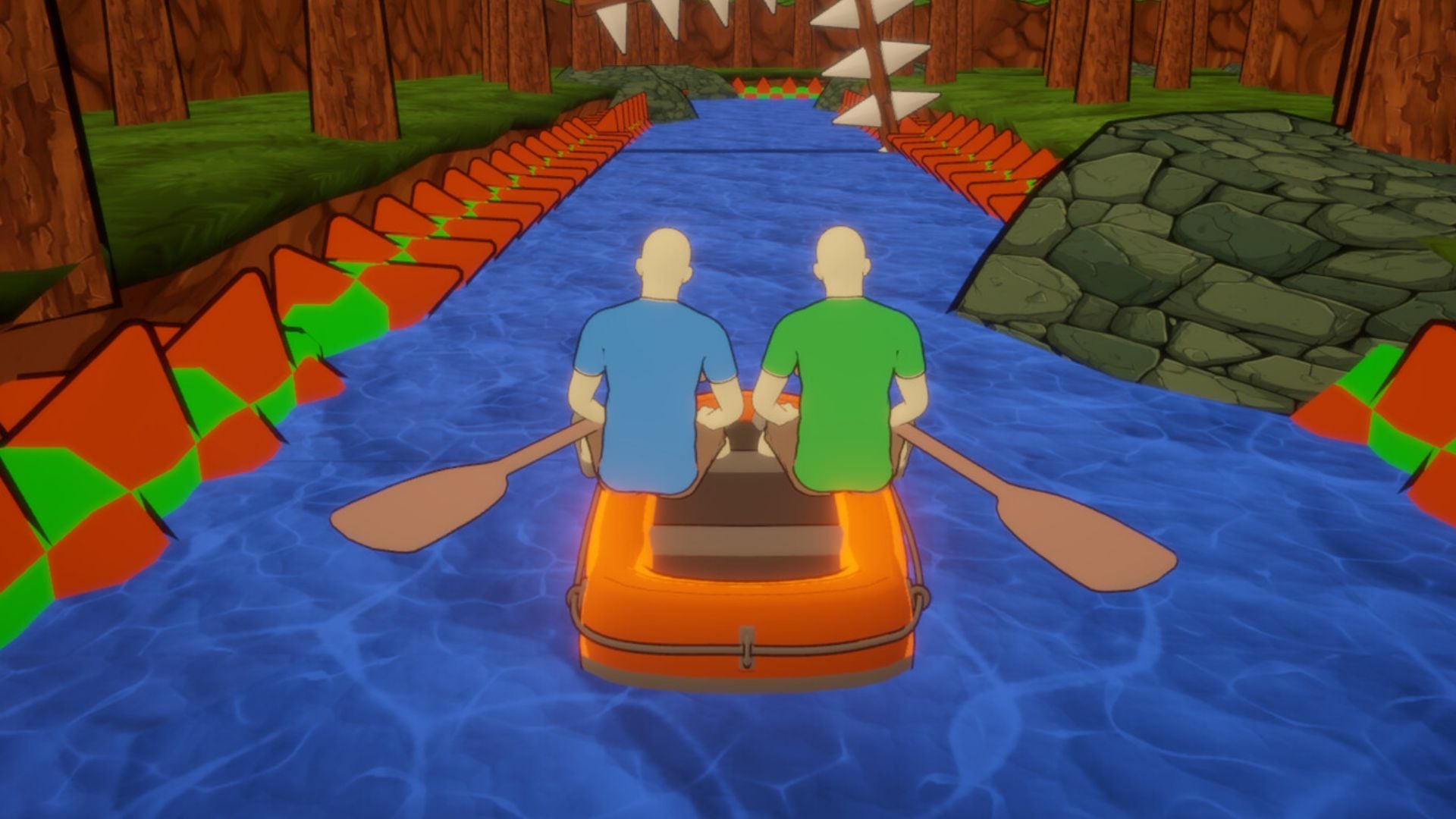
The indie game Paddle Paddle Paddle has become the center of a heated discussion about Steam’s refund policy after accumulating over 55,000 refunds despite receiving “Very Positive” reviews from players. The solo and co-op game, developed by Zoroarts, challenges players to navigate their boat through a series of difficult obstacles, with rage-quitting intentionally designed as a core feature.
The game’s high refund rate highlights a fundamental tension in Steam’s consumer-friendly approach to digital purchases. Valve’s 2-hour refund window—among the most generous in the industry—was designed to protect players who discover they’re not enjoying a game early on. However, developer Zoroarts’ observation suggests this policy can be exploited by players who refund games after experiencing difficulty or frustration, despite the game’s critical acclaim.
This situation underscores an ongoing debate about how to balance consumer protection with developer interests. While Steam’s policy is notably more forgiving than competitors like PlayStation (which typically refuses refunds if a game is installed), it creates potential revenue challenges for indie developers whose games may attract players seeking short-term entertainment or those frustrated by intentionally difficult designs.
The Paddle Paddle Paddle situation has sparked broader conversation within the indie development community about the sustainability of current refund policies and whether games with specific design philosophies—particularly those emphasizing difficulty and perseverance—face disadvantages under these consumer-protection frameworks.