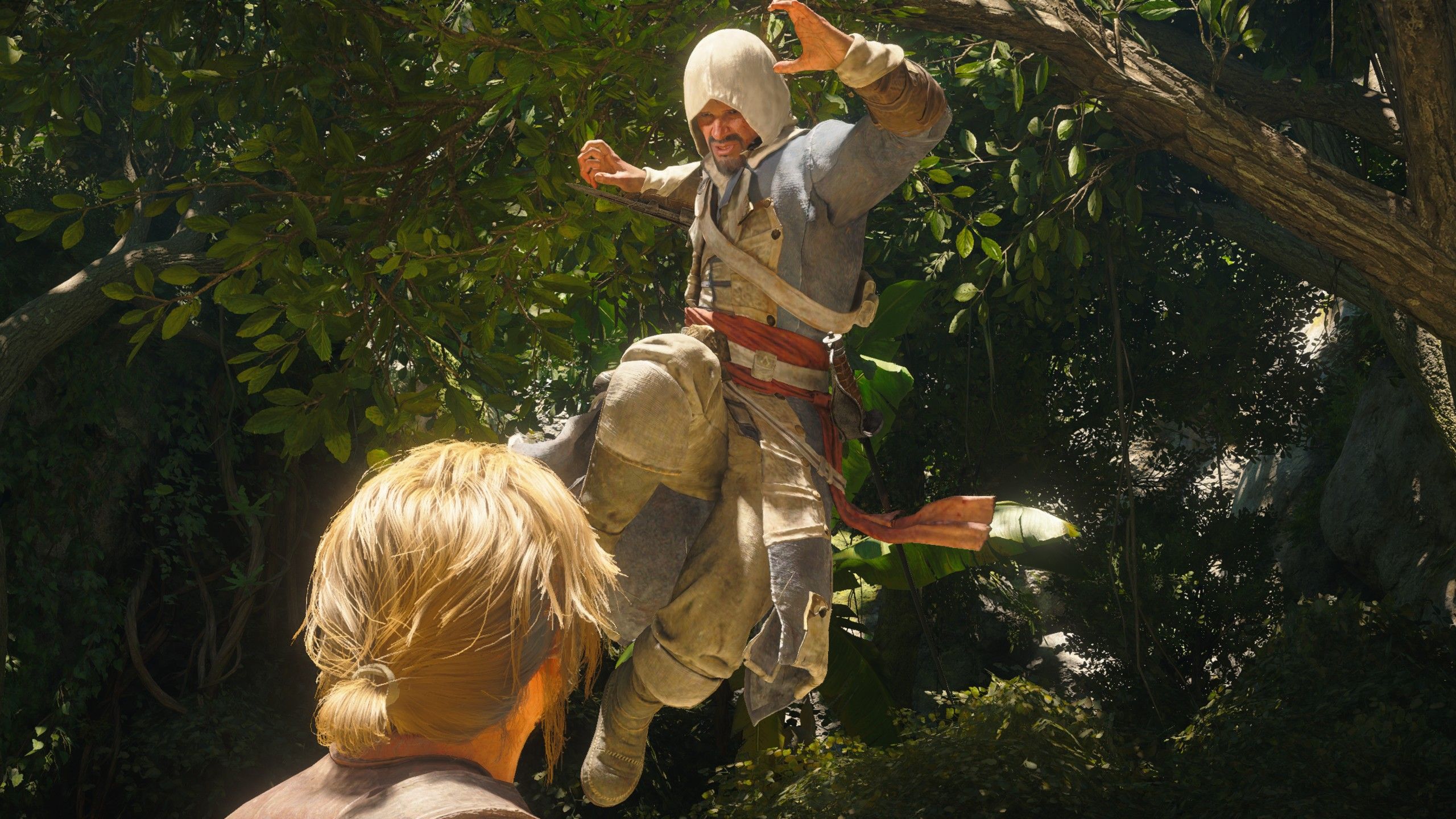
Black Flag’s combat may have been a total cakewalk, but at least it had its novelty
Black Flag Resynced’s combat overhaul has sparked renewed debate within the Assassin’s Creed community about what makes engaging combat design. The remastered game, which has now launched, represents significant changes to how players experience fights compared to the original Black Flag.
The original game’s combat was characterized by its simplicity and accessibility—described as a “cakewalk” that prioritized spectacle over challenge. Players would progress through encounters largely by triggering a parade of beautifully animated finishing moves, watching Edward dispatch enemies with cinematic flourish across multiple encounters without substantial risk or tactical consideration.
Resynced attempts to address this with quality-of-life improvements and combat modifications. However, reviewers question whether these changes achieve their intended goal. The consensus suggests that while the original combat system was perhaps too forgiving, the new approach eliminates certain options that, despite their simplicity, created an enjoyable experience. The changes appear to result in a system that loses more appeal than it gains.
The broader tension revealed here reflects an ongoing challenge in game remasters: determining which elements to preserve from the original experience and which to modernize. For a game that initially prioritized style and accessibility over mechanical depth, stripping away elements—even if they were overly simplistic—may eliminate core appeal for players who enjoyed the original.
This debate extends beyond mere combat numbers or difficulty balancing; it raises questions about whether fewer mechanical options necessarily create better gameplay, or if sometimes straightforward simplicity serves its own purpose in entertainment.