Dropping “greenwashing” credits and expanding AI datacenters caused Microsoft’s 25% emissions jump
Microsoft’s carbon emissions increased 25 percent year-over-year, according to the company’s latest Environmental Sustainability Report. The growth was driven primarily by expansion of AI datacenters and a significant policy change regarding renewable energy accounting.
Contrary to circulating claims, Microsoft did not report 34 million metric tons of emissions in a single year—that figure was never officially disclosed by the company. The actual increase reflects two major factors: the physical expansion of computing infrastructure to support artificial intelligence workloads, and Microsoft’s decision to discontinue the use of unbundled renewable energy certificates.
The company’s shift away from renewable energy credits represents a move toward more transparent sustainability reporting. Previously, Microsoft could offset emissions through the purchase of these credits, a practice increasingly criticized as “greenwashing” due to questions about their actual environmental impact and the separation between energy production and consumption accounting.
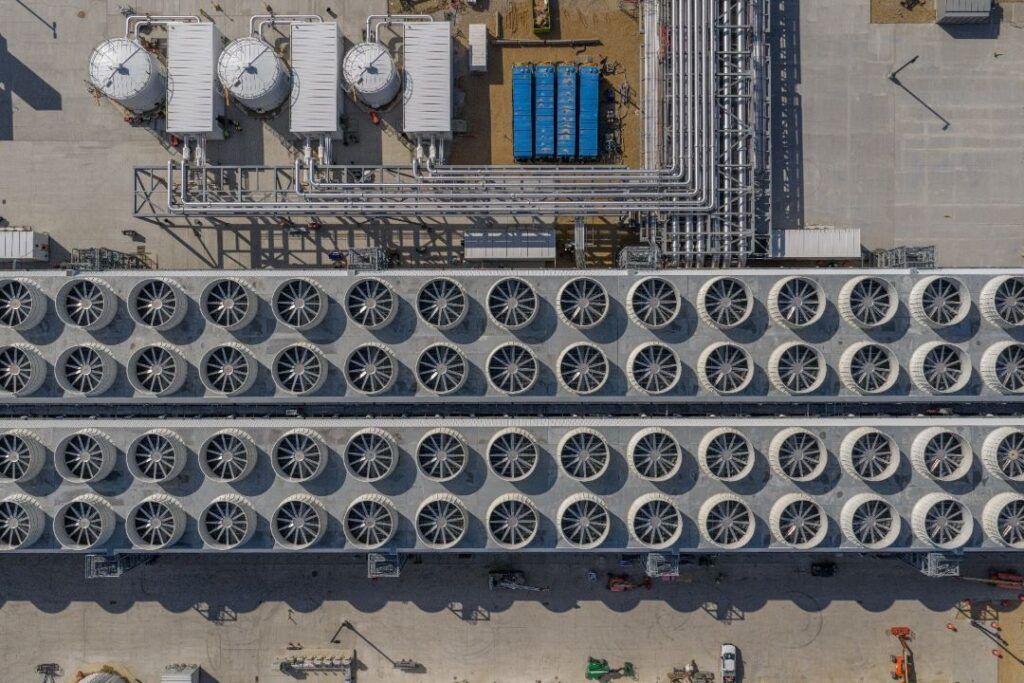
The rise in emissions coincides with Microsoft’s aggressive investment in AI infrastructure, including partnerships like its expanded collaboration with OpenAI. As AI datacenters require substantial electricity for computing power and cooling systems, their proliferation contributes significantly to corporate carbon footprints industry-wide. Microsoft’s decision to report emissions more conservatively—without the offset benefit of renewable credits—provides a clearer picture of the company’s actual environmental impact, even as absolute emissions climb.