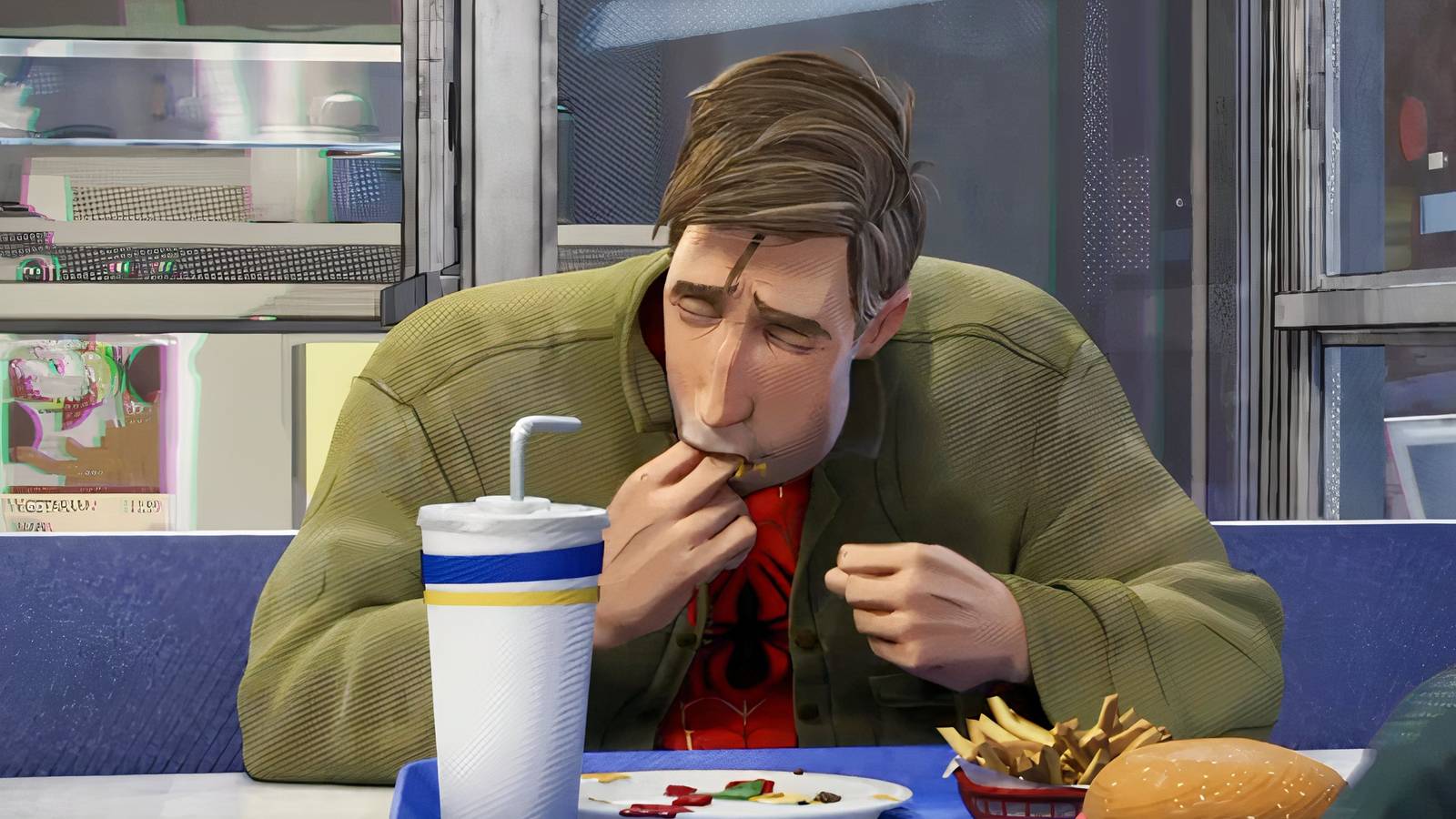
Spider-Man is at his best when Peter Parker can’t catch a break
Spider-Man’s enduring appeal lies not in his superpowers but in the personal struggles that define Peter Parker’s life. Since his comic book debut in 1962, the character has evolved significantly, gaining incredible abilities and spending decades as New York City’s protector. However, according to character analysis, Spider-Man is at his strongest when Peter Parker faces relentless hardship and loss.
Unlike many superheroes whose identities are rooted in their powers, Spider-Man’s core character is defined by the consequences of his heroism. The hero constantly pays a personal price for protecting others, losing aspects of his life even as he gains more ability to help those around him. This fundamental tension between his dual identity and the sacrifices it demands creates the character’s psychological depth.
The analysis emphasizes that as fictional characters age and their storylines extend over decades, maintaining their essential qualities while allowing for growth becomes increasingly challenging. Spider-Man has navigated this balance by deepening the emotional stakes rather than simply amplifying his powers. His narrative strength comes from exploring how Peter Parker struggles to maintain his personal relationships, career, and well-being while carrying the burden of being Spider-Man.
This characteristic—a life that “just kind of sucks” despite having superhuman abilities—resonates with audiences because it grounds the fantastical premise in relatable human experience. The character remains relevant because his struggles reflect universal themes of sacrifice, responsibility, and the costs of helping others.