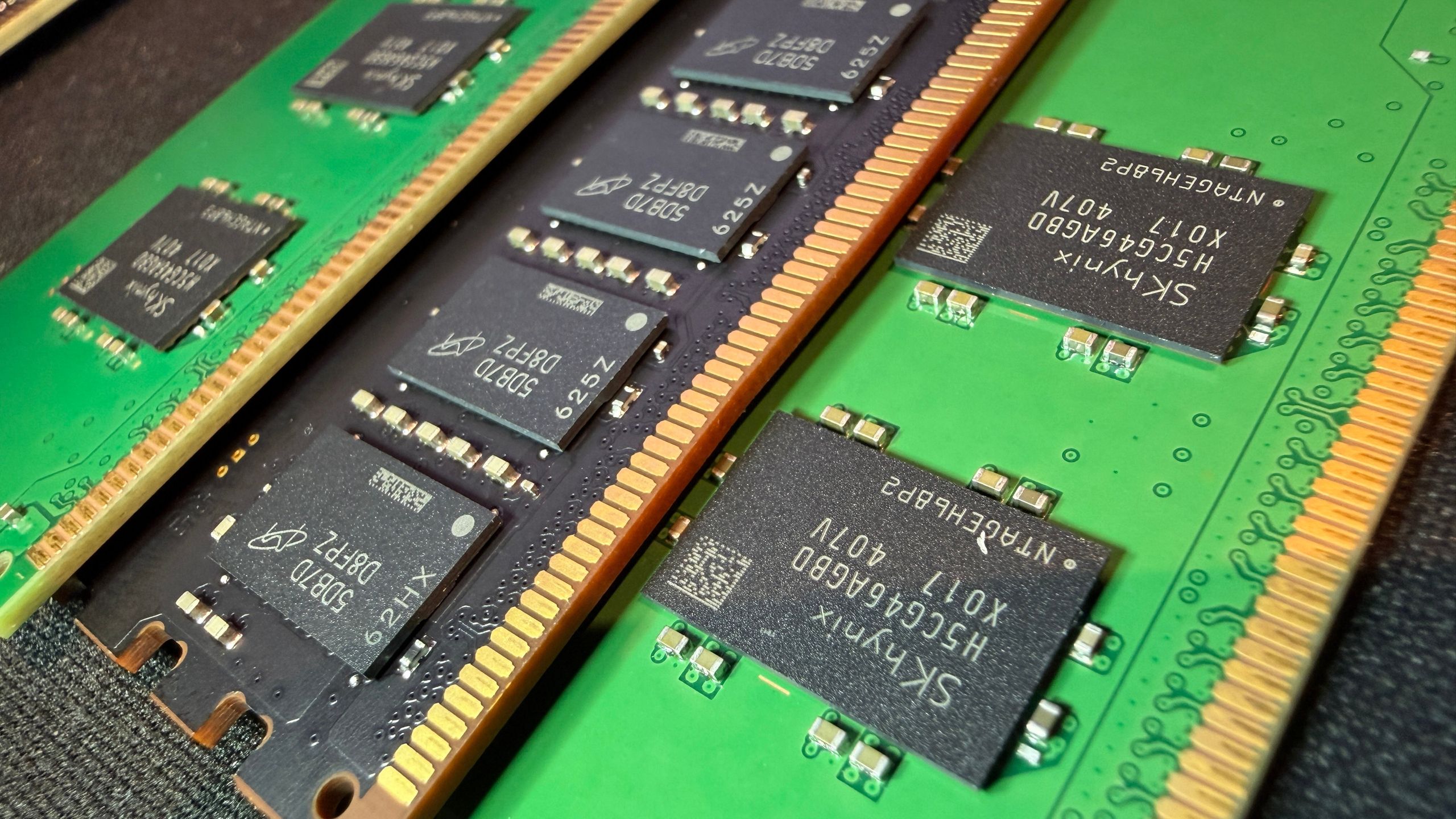
Researchers predict a memory demand shortfall so large that half of this year’s actual global DRAM capacity wouldn’t cover the extra needed
Researchers predict a substantial memory capacity shortage by 2030, even accounting for increased production from Chinese semiconductor manufacturers. According to analysis from Citrini researcher Zephyr, the global DRAM market will face a 28.7 exabyte shortfall against a total demand of 157.5 exabytes—with general DRAM identified as the primary bottleneck. This forecast aligns with recent warnings from SK hynix’s CEO regarding memory supply constraints.
The shortfall calculation includes both DRAM and HBM (High Bandwidth Memory) but indicates that conventional DRAM represents the critical constraint. Despite aggressive production increases from Chinese memory makers like CXMT, who are ramping capacity significantly and expected to rival Micron’s output by year-end, the supply gap will remain severe through 2030. This demand-supply imbalance reflects the surging global appetite for memory capacity driven by AI expansion, cloud computing growth, and increased data center demands. The projected shortage underscores a fundamental challenge for the semiconductor industry: production capacity expansion, even at accelerated rates, struggles to keep pace with rapidly growing memory requirements.